
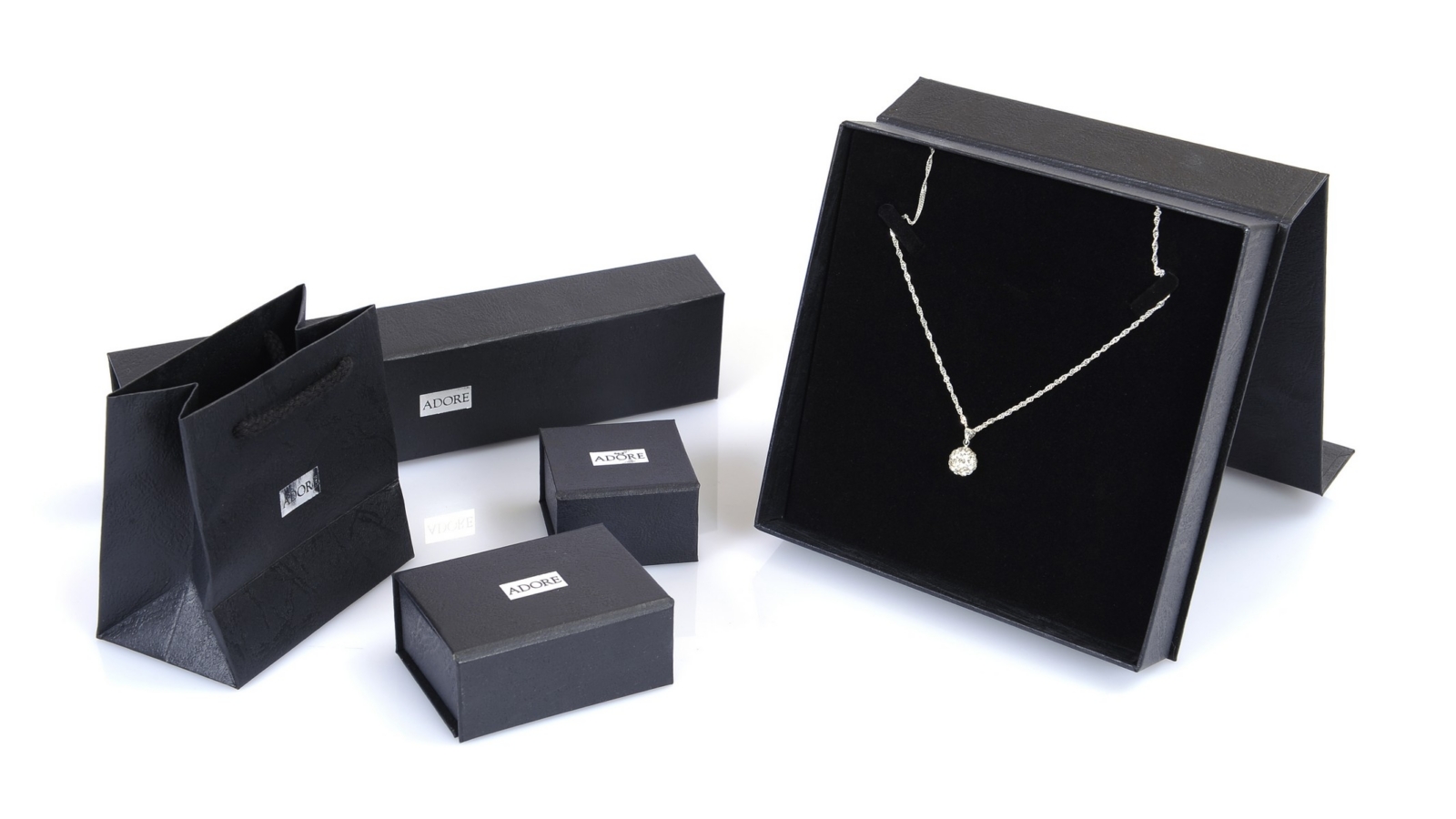
In 2026, custom rigid box packaging is about more than creating a luxurious appearance. Cosmetic, jewelry, and candle brands need packaging that combines visual differentiation, product protection, practical functionality, and consistent brand presentation. For wholesalers and packaging distributors, understanding these differences helps turn general design requests into specific, commercially suitable packaging recommendations.
The best solution depends on the product, target customer, sales channel, and budget. Cosmetics often benefit from refined printing and selective surface finishes. Jewelry requires carefully fitted inserts and an elegant opening experience. Candles need a stable base, suitable internal support, and packaging designed around the product’s weight and fragility.
This guide explores the major 2026 design directions and explains how to recommend custom luxury rigid boxes to different brand customers.
1. Key Custom Rigid Box Packaging Trends in 2026
Several design directions are relevant to premium packaging projects in 2026. Rather than treating every trend as a requirement, wholesalers should evaluate how each option supports the brand’s positioning and product needs.
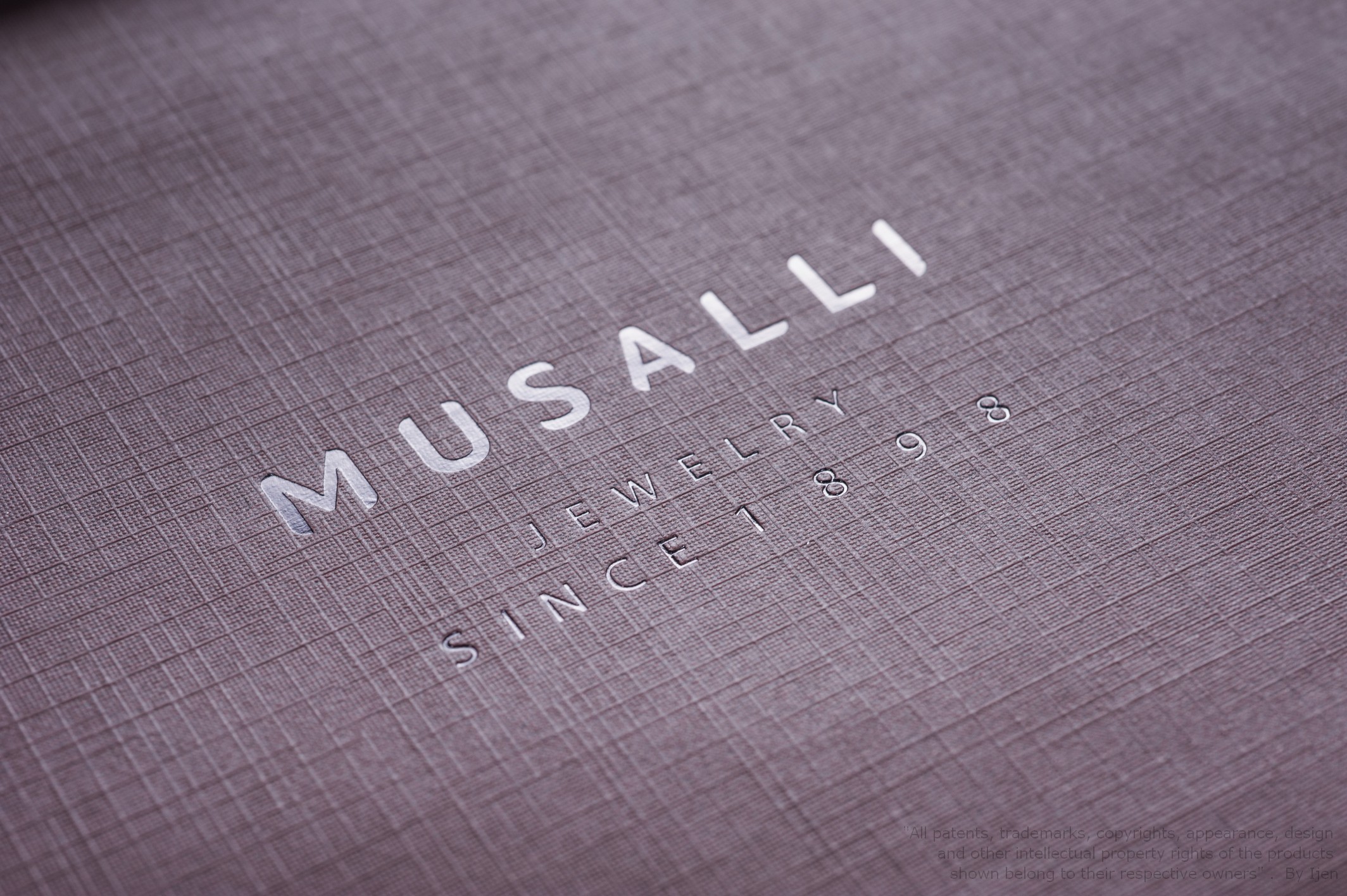
1.1 Understated Luxury with Selective Finishing
Minimalist packaging remains a useful direction for brands seeking a premium appearance without excessive decoration. Clean typography, restrained color palettes, and carefully selected finishes can make a box look sophisticated.
Popular options include:
- Gold or silver foil stamping: Adds metallic contrast to logos, brand names, and decorative details.
- Spot UV coating: Creates glossy highlights on selected areas of a matte or otherwise contrasting surface.
- Embossing and debossing: Adds raised or recessed details for a tactile effect.
- Matte lamination: Creates a smooth, understated surface and can help protect printed artwork, depending on the material and coating.
- Textured specialty paper: Adds visual depth and tactile character without requiring extensive graphics.
For B2B buyers, the goal is to match the finish to the artwork and target price point. Combining too many processes may increase production complexity without improving the overall design.
1.2 Distinctive Unboxing Experiences
Packaging structure affects how customers open, handle, and store a product. Magnetic-closure boxes offer a familiar premium presentation, while drawer boxes create a gradual reveal.
Common structures include:
- Magnetic-closure rigid boxes for gift sets and product launches.
- Two-piece rigid boxes with separate lids and bases for classic presentation.
- Drawer-style boxes for jewelry, small accessories, and selected cosmetic products.
- Book-style boxes for curated collections and presentation kits.
- Custom compartment boxes for products sold as coordinated sets.
The right structure should support the intended customer experience without making the box unnecessarily difficult to open, store, or ship.
1.3 More Considered Material and Insert Choices
Premium appearance and responsible material selection do not have to be competing priorities. Paper-based wraps, appropriately specified paperboard, and well-designed inserts can support attractive packaging while helping buyers assess material use.
However, a paper exterior does not automatically make an entire package recyclable. Laminations, adhesives, magnets, foam inserts, and mixed-material components may affect local recycling options.
Wholesalers should ask suppliers to identify the main materials, explain which components can be separated, and provide relevant documentation for environmental claims. Any recyclability or certification statement should reflect the actual packaging construction and the destination market.
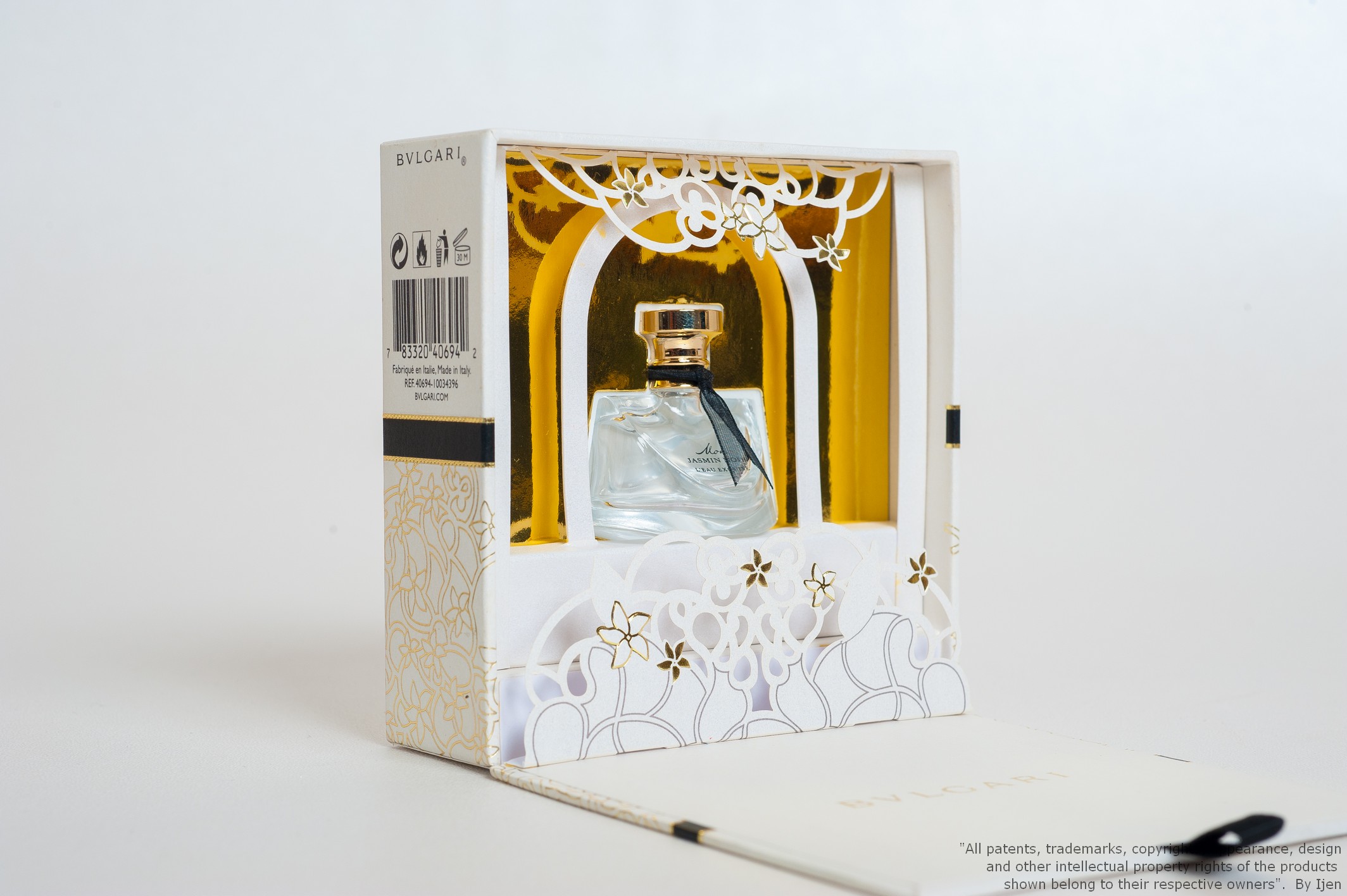
2. Custom Rigid Box Packaging for Cosmetics
Cosmetic packaging often needs to balance visual appeal, product organization, and protection for bottles, jars, palettes, or coordinated skincare sets.
For premium beauty brands, the most suitable solution may be a custom rigid gift box rather than a standard folding carton, particularly for gift sets, promotional launches, and premium collections.
2.1 Recommended Finishes: Gold Foil and Spot UV
For cosmetic brands, gold foil stamping and spot UV are two useful finishing options. Each creates a different visual effect and suits different design priorities.
| Finish | Visual Effect | Suitable Applications | Selection Considerations |
|---|---|---|---|
| Gold foil stamping | Metallic highlights and contrast | Logos, brand names, premium product lines | Artwork detail, paper texture, foil color |
| Spot UV | Glossy details against a contrasting surface | Patterns, graphic elements, selected logo areas | Registration accuracy, coating compatibility |
| Embossing | Raised tactile details | Brand marks, decorative motifs | Detail size, paper characteristics |
| Matte lamination | Smooth, understated surface | Minimalist skincare and makeup sets | Scratch resistance and surface durability |
| Textured paper | Subtle tactile character | Boutique cosmetics and premium gift collections | Print clarity and finishing compatibility |
A practical recommendation is to start with one primary finishing technique and add a second only when it serves a clear purpose.
For example, a matte ivory rigid box with a gold foil logo can suit a minimalist skincare collection. A dark-colored box with spot UV patterns may work better for a bold makeup brand.
Before approving production, buyers should review physical samples. Metallic finishes and coatings can appear different under various lighting conditions, and the final effect depends on the substrate and manufacturing process.
2.2 Choose the Box Structure Based on the Cosmetic Set
The product configuration should determine the box structure.
Magnetic-closure rigid boxes work well for coordinated skincare sets, cosmetic gift collections, and promotional kits. Their opening style provides a broad surface for branding and product presentation.
Two-piece rigid boxes suit individual premium products and gift packaging where a classic lid-and-base structure is preferred.
Custom compartment boxes help organize multiple products, such as a serum, moisturizer, and eye cream. Separate compartments can prevent items from shifting and keep the presentation orderly.
2.3 Cosmetic Inserts: Fit, Protection, and Presentation
A cosmetic insert should hold each item securely while allowing customers to remove it easily.
Potential insert materials include paperboard, molded pulp, foam, and other suitable cushioning materials. Selection depends on product weight, shape, fragility, appearance requirements, and material preferences.
For glass serum bottles or jars, check the following:
- Whether each cavity matches the actual bottle dimensions.
- Whether the insert supports the product without excessive pressure.
- Whether the bottle caps and dispensers remain protected.
- Whether the products stay in position during handling and transit.
- Whether the insert can be assembled efficiently at scale.
For wholesalers serving several beauty brands, a standardized box structure with customizable artwork and inserts may help simplify product-range planning. However, insert dimensions should still be verified for each product configuration.
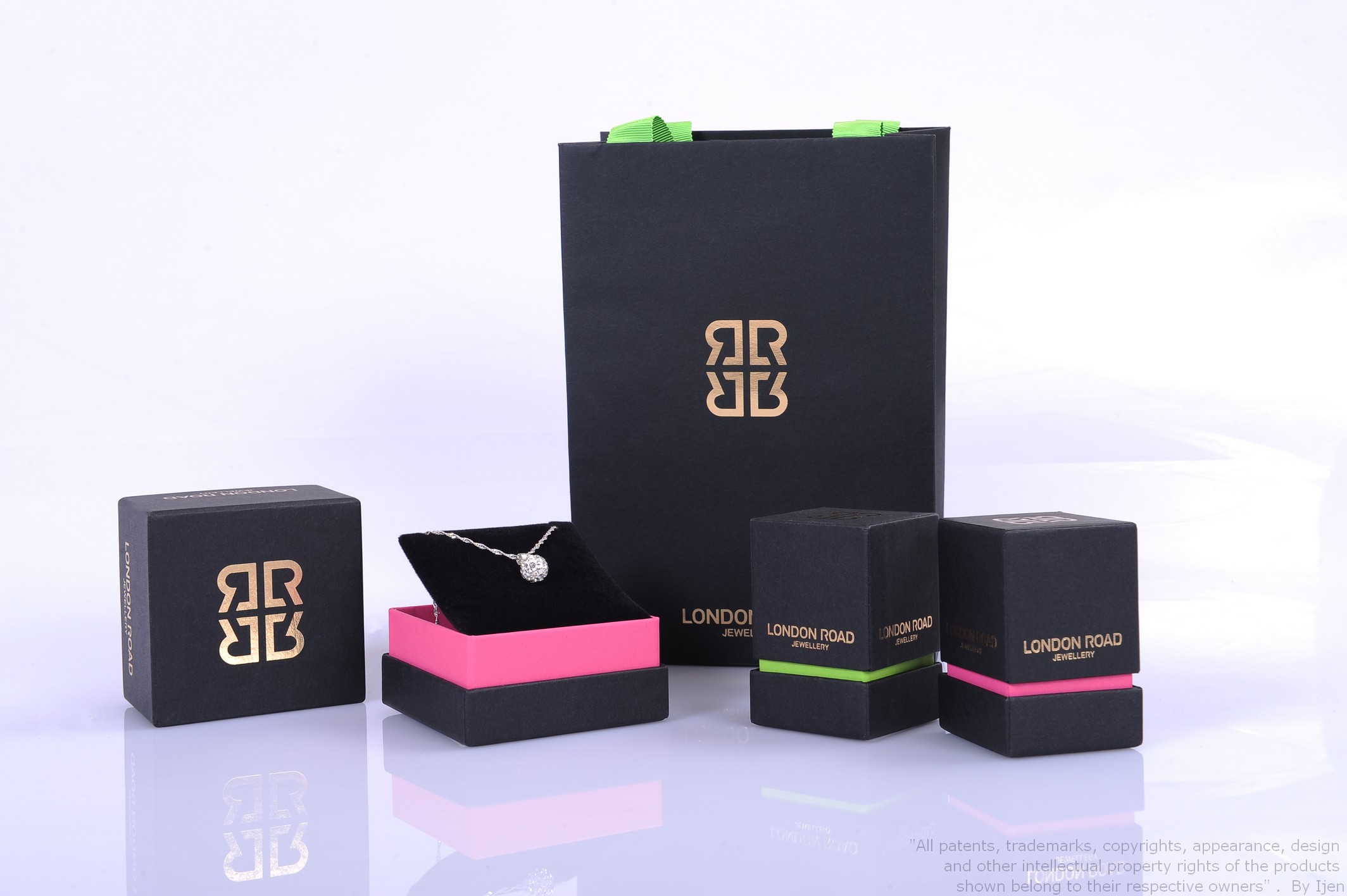
3. Jewelry Rigid Gift Boxes: Drawer Structures and Velvet Inserts
Jewelry packaging requires a different approach from cosmetic packaging. Rings, necklaces, earrings, bracelets, and watches have different shapes and retention requirements.
The box must present the item attractively while preventing unnecessary movement, tangling, or surface contact during storage and handling.
3.1 Why Drawer Boxes Suit Many Jewelry Collections
Custom jewelry drawer boxes create a distinctive opening experience. A sliding tray can reveal the jewelry gradually, while a ribbon pull or finger notch provides a practical way to open the package.
Drawer boxes are suitable for:
- Ring and earring gift boxes.
- Necklace and pendant packaging.
- Bracelet and small accessory collections.
- Jewelry gift sets with multiple compartments.
- Boutique retail and seasonal gifting programs.
The drawer structure is not automatically the best choice for every jewelry product. Small items may fit a simpler two-piece box, while larger or more delicate pieces may need a more specialized insert.
Wholesalers should consider the product dimensions, display requirements, assembly process, and shipping configuration before recommending a structure.
3.2 Velvet and Other Jewelry Box Linings
Velvet lining is associated with a soft, premium presentation and is a familiar option for jewelry boxes. Other possibilities include suede-like fabrics, satin, paperboard inserts, and custom-cut cushioning materials.
| Insert or Lining | Best-Fit Applications | Key Considerations |
|---|---|---|
| Velvet-covered insert | Rings, earrings, premium gift sets | Pile direction, color consistency, fit |
| Suede-like lining | Boutique jewelry and premium collections | Surface appearance, lint, wear |
| Satin lining | Selected gift and presentation boxes | Smoothness, movement, wrinkle control |
| Paperboard insert | Paper-focused packaging designs | Structural support and surface protection |
| Custom-cut foam | Items requiring additional retention | Fit, appearance, material compatibility |
A velvet insert should not be selected on appearance alone. The insert needs the correct slot depth, width, and spacing for the jewelry piece.
For necklaces, the design may require hooks or retention points to reduce tangling. Rings often need narrow slots or shaped supports. Earrings may require paired holes or another secure mounting arrangement.
3.3 Match the Exterior Finish to the Jewelry Brand
Jewelry packaging often benefits from a restrained visual design. Black, ivory, deep green, burgundy, and other brand-appropriate colors can provide a suitable background for metallic logos or subtle embossing.
Gold foil can create contrast on dark or neutral surfaces. Debossing may suit brands that prefer a quieter, understated appearance.
For wholesale projects, confirm that the logo position, foil color, lining color, and exterior wrap remain consistent across the approved sample and production batch.
4. Candle Rigid Boxes: Structural Support and Premium Branding
Candle packaging must account for both presentation and physical product requirements. Candles can be heavy for their size, and glass jars may break if the packaging allows excessive movement or provides insufficient cushioning.
For this category, custom candle rigid boxes should be designed around the actual candle, not simply adapted from a generic gift box.
4.1 Build a Stable Base for Candle Weight
A rigid box with a suitably specified base can support premium candle presentation. However, board thickness alone does not establish whether the packaging will protect a particular product.
The required construction depends on candle weight, jar dimensions, insert design, shipping conditions, and how the finished box will be handled.
When evaluating a candle box, check:
- Base stiffness under the actual product load.
- Sidewall stability and corner construction.
- Insert fit around the candle jar.
- Clearance between the product and the box walls.
- Protection against movement and impact during transport.
- Whether the lid closes properly without contacting the product.
For heavier candles or glass containers, a custom insert may be more important than adding decorative material to the exterior.
The supplier should test the complete packaging configuration rather than assessing the empty box alone. Where products are shipped through parcel networks, buyers should also consider transit testing appropriate to the shipping method.
4.2 Gold Foil Logos for Luxury Candle Brands
Candles are frequently purchased for gifting, home décor, and seasonal collections. Packaging can help communicate the intended brand identity before customers open the box.
Gold foil stamping is one option for candle brands seeking a premium finish. It can work with neutral, dark, or rich-colored wraps, depending on the visual direction.
Other suitable approaches include:
- Minimalist typography on textured paper.
- Embossed brand names for a tactile effect.
- Matte surfaces with selective metallic details.
- Coordinated box and insert colors.
- Seasonal artwork with a consistent brand logo.
The best finish depends on the brand’s positioning. A minimalist home-fragrance line may need only a small foil logo, while a holiday gift collection may benefit from more decorative artwork.
4.3 Candle Inserts and Product Protection
The insert should keep the candle centered and limit movement without placing damaging pressure on the container.
Potential options include fitted paperboard, molded pulp, foam, and other materials appropriate to the product and packaging requirements.
Before bulk production, test the complete package with the actual candle. Confirm the fit, closure, insert stability, and appearance after normal handling.
If the candle is sold in a glass jar, inspect for movement and potential impact points. If the product includes multiple candles or accessories, consider separate compartments to reduce contact between items.
5. Comparing Custom Rigid Box Packaging Across Three Industries
For wholesalers serving multiple customer segments, the following matrix provides a practical starting point for packaging recommendations.
| Selection Factor | Cosmetics | Jewelry | Candles |
|---|---|---|---|
| Common box structures | Magnetic closure, two-piece, compartment box | Drawer, two-piece, custom presentation box | Two-piece, magnetic closure, custom-fit rigid box |
| Recommended finishes | Gold foil, spot UV, matte lamination | Gold or silver foil, embossing, textured paper | Gold foil, embossing, matte or textured wrap |
| Typical insert priorities | Bottle alignment, set organization | Jewelry retention, separation, presentation | Weight support, jar fit, impact protection |
| Important design question | Can the set be presented clearly and securely? | Does each piece stay in position? | Can the package support and protect the actual candle? |
| Sample evaluation | Bottle fit, compartments, closure | Slot dimensions, lining, drawer movement | Base stiffness, jar movement, cushioning |
| Common purchasing concern | Consistency across multiple SKUs | Fit for different jewelry styles | Structural performance during handling and shipping |
These are starting recommendations, not fixed rules. A luxury cosmetic bottle may need a more protective insert than a lightweight jewelry item, while a candle gift set may require multiple compartments and additional cushioning.
6. How Wholesalers Should Recommend the Right Packaging
A professional recommendation begins with the customer’s product and commercial requirements. Rather than offering a long list of decorative options, wholesalers can guide the discussion through a structured selection process.
Step 1: Identify the Product and Sales Channel
Ask whether the packaging is intended for retail shelves, e-commerce orders, corporate gifting, promotional launches, or seasonal collections.
A display-focused box may prioritize visual presentation. An e-commerce package may need more attention to movement, cushioning, and shipping protection.
Step 2: Confirm Product Dimensions and Weight
Collect the actual product dimensions, weight, fragile components, and any accessories included in the set.
Do not finalize the insert using approximate dimensions alone. Product tolerances and the space needed for removal can affect the final fit.
Step 3: Select the Structure Before the Decoration
Choose the box style based on product access, protection, assembly, and storage requirements.
Once the structure is established, the buyer can select the wrap paper, printing method, and decorative finishing.
This sequence helps prevent an attractive design from becoming difficult or expensive to manufacture.
Step 4: Balance Finishing Options and Budget
Request quotations for different finishing combinations, such as:
- Standard printed wrap without additional decorative finishing.
- Printed wrap with one foil-stamped logo.
- Matte wrap with selective spot UV.
- Textured paper with embossing or debossing.
- Premium lining with a custom-fitted insert.
Compare the complete specifications rather than comparing prices for boxes with different materials, dimensions, inserts, or finishing processes.
Step 5: Approve a Physical Sample
A pre-production sample allows the buyer to inspect color, logo placement, structure, fit, and opening performance before authorizing the full order.
For candle and cosmetic packaging, include the actual product in the evaluation. For jewelry boxes, inspect the insert with the intended jewelry piece.
Step 6: Establish Production Quality Checks
Before bulk manufacturing, agree on the specifications that matter most.
These may include box dimensions, board construction, color approval, foil registration, surface appearance, insert fit, closure performance, and acceptable cosmetic defects.
For repeat orders, retain an approved reference sample and document any changes to materials or construction.
7. Frequently Asked Questions
What is the best rigid box style for cosmetic packaging?
Magnetic-closure boxes suit many cosmetic gift sets and promotional kits. Two-piece boxes can work well for individual premium products. The best choice depends on the product dimensions, presentation goals, and budget.
Are drawer boxes suitable for wholesale jewelry packaging?
Yes. Drawer boxes can provide a refined presentation for rings, earrings, necklaces, and selected gift sets. Buyers should confirm insert fit, drawer movement, assembly requirements, and the intended shipping configuration.
What type of rigid box is suitable for heavy candles?
The box should have a base and sidewalls appropriate to the actual candle weight, together with an insert that limits product movement. Board thickness, box construction, and transit protection should be evaluated as a complete system.
Is gold foil better than spot UV for luxury rigid boxes?
Neither finish is universally better. Gold foil creates metallic highlights, while spot UV produces glossy contrast on selected areas. The best choice depends on the artwork, substrate, brand identity, and budget.
What should wholesalers provide when requesting a custom rigid box quotation?
Provide product dimensions, product weight, quantity, box style, material preferences, artwork, finishing requirements, insert details, delivery destination, and target delivery date. If the design is not finalized, request quotations for clearly defined alternative specifications.
How can buyers maintain consistency across repeat orders?
Use an approved physical sample, documented material specifications, color references, artwork files, and agreed inspection criteria. Buyers should also confirm whether any proposed material or process changes require a new sample approval.
Conclusion: Match the Box to the Product, Not Just the Trend
The most effective custom rigid box packaging strategy in 2026 begins with product requirements and brand positioning. Cosmetics benefit from coordinated presentation and carefully selected finishes. Jewelry needs well-fitted inserts and an opening structure suited to each item. Candles require particular attention to base stability, product retention, and protection during handling.
For wholesalers, the practical advantage comes from translating these requirements into clear specifications. Recommend finishes that support the design, structures that suit the product, and inserts that meet real fit and protection needs.
Before committing to a bulk order, verify the complete packaging design through physical sampling and agreed quality checks. This approach helps buyers make informed decisions, manage production expectations, and build more consistent packaging programs for their brand customers.
Looking for custom luxury rigid boxes for cosmetics, jewelry, or candles? Work with IJEN to discuss your preferred box structure, material, finishing, insert design, and wholesale requirements. Share your product dimensions and artwork to begin evaluating a suitable custom packaging solution.
