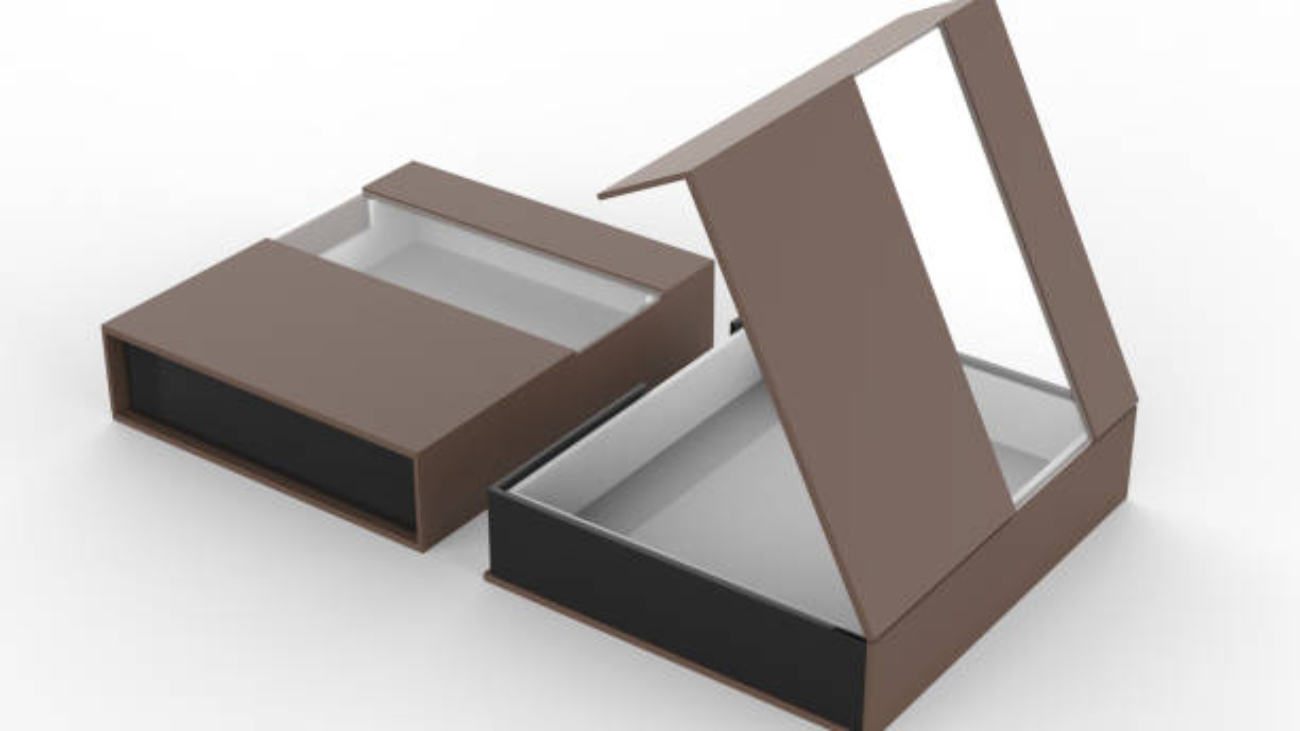
Luxury Rigid Packaging Boxes

Perceived Value in Custom Luxury Rigid Packaging Boxes: Why 63% of Luxury Buyers Pay 30% More

When presenting annual brand budgets to executive leadership, procurement officers and marketing executives often encounter a central dilemma: How do we justify the higher unit cost of premium structural packaging over standard folding cartons? For high-end cosmetic, jewelry, electronics, and fashion brands, packaging is far more than a protective sheath—it is the tangible embodiment of brand equity. Industry consumer research demonstrates that 63% of luxury buyers are willing to pay up to 30% more for products presented in high-end, custom luxury rigid packaging boxes. Furthermore, bespoke packaging elevates perceived value across consumer touchpoints, turning passive unboxing into active brand advocacy.

The Consumer Psychology of Perceived Value in Luxury Packaging

Perceived value is a psychological construct where physical tactile cues directly govern brand judgment. In the luxury sector, consumers rely heavily on sensory heuristics to evaluate product quality before they even interact with the item itself.

  • 30% Price Premium: 63% of luxury consumers explicitly state a willingness to pay up to 30% more for products housed in premium, customized rigid boxes.

  • 30% Value Elevation: Custom structural packaging directly elevates the consumer’s estimation of product worth by 30% compared to standard paperboard alternatives.

  • 85% Tactile Memory Recall: 85% of shoppers remember brands that engage their tactile sense through multi-texture packaging finishes.

  • 40% Social Media Organic Reach: Nearly 40% of online shoppers share unboxing photos or videos on social media when receiving products in premium gift-style packaging.

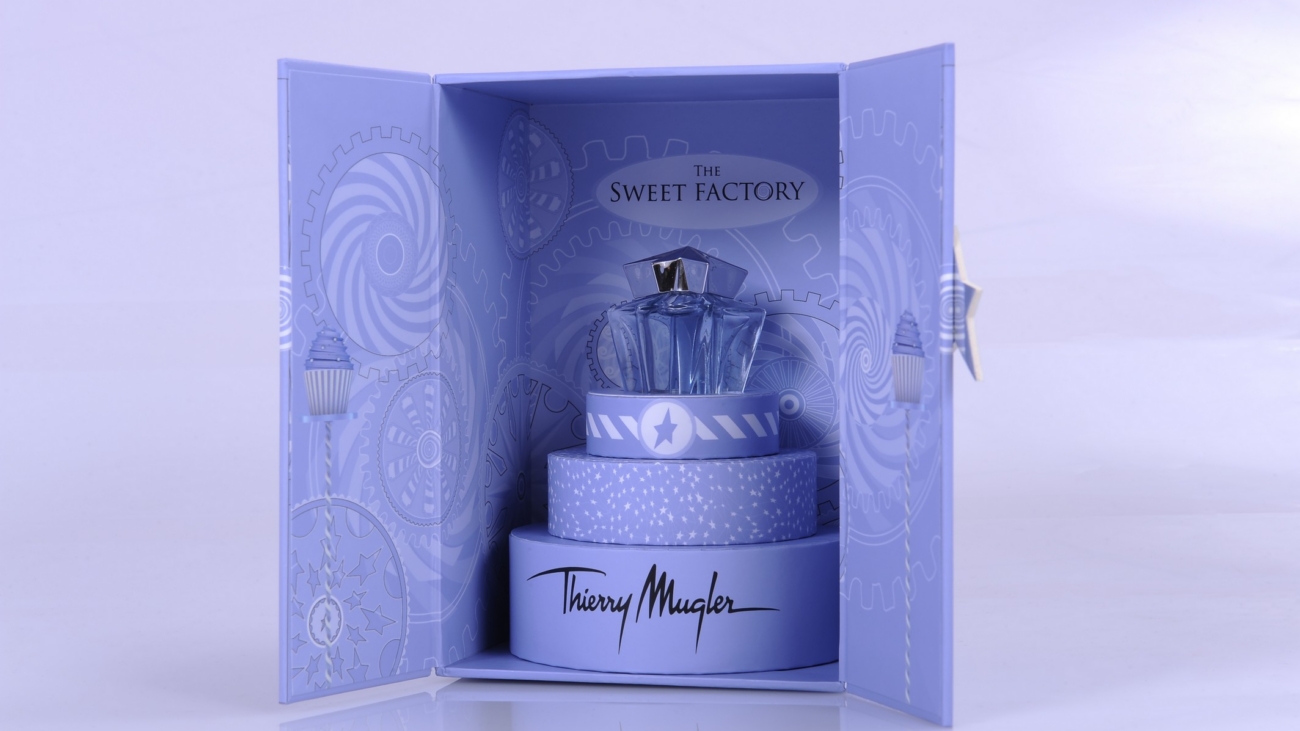
custom rigid scent gift sets

The “Weight-Test” Effect and Sensory Ergonomics

At the core of luxury consumer behavior lies the psychological “weight-test.” Humans subconsciously associate structural rigidity, substantial box weight, and resistance with high material purity, durability, and superior craftsmanship. When a customer holds a heavy, solid, rigid box, their brain instantly registers high density as synonymous with luxury. Conversely, lightweight or flexible packaging can trigger an immediate subconscious perception of low value, regardless of the product’s actual price tag.

Tactile Engagement and Unboxing Psychology

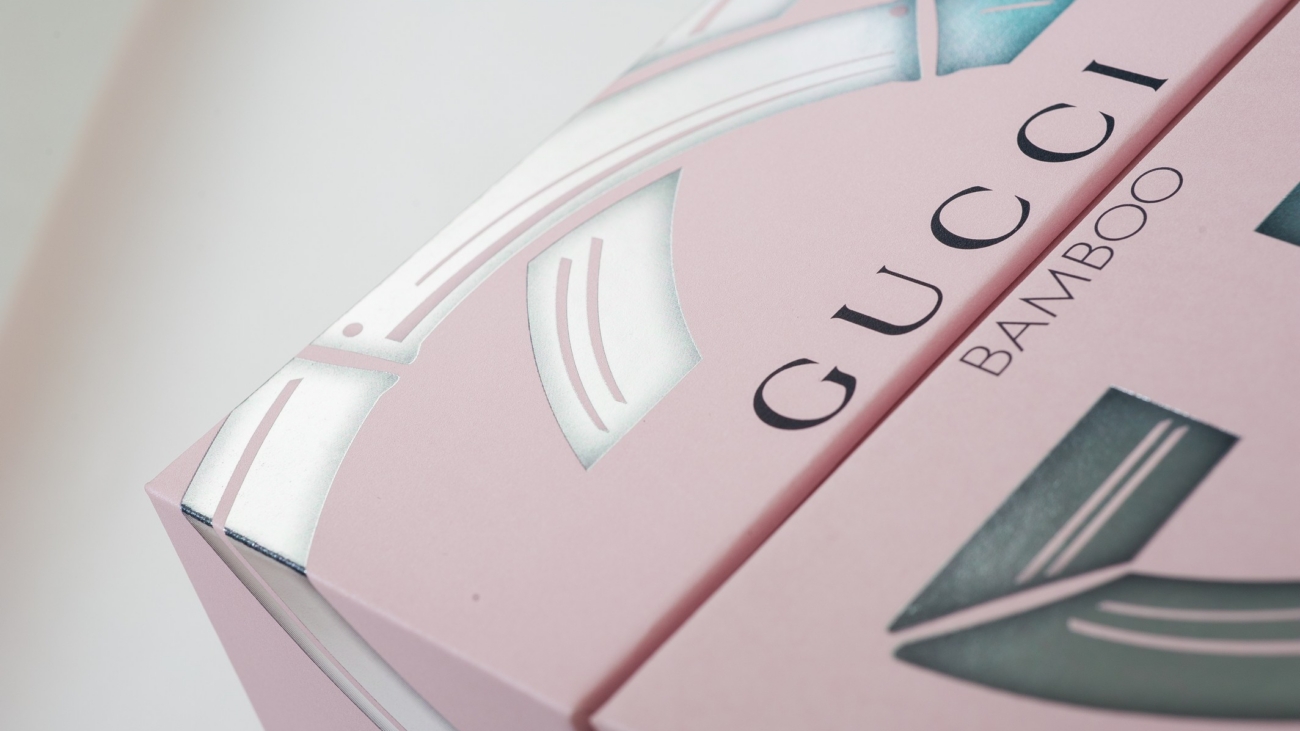
Sensory marketing plays a decisive role in brand stickiness. With 85% of consumers retaining brand memories triggered by touch, integrating soft-touch lamination, embossed textures, and foil stamping creates a memorable tactile journey. The deliberate, multi-layered friction of sliding open a rigid box or hearing the quiet snap of a magnetic closure prolongs the unboxing ceremony. This sensory build-up reinforces the product’s exclusivity and turns a simple purchase into a memorable experience.

ROI Analysis: Rigid Packaging vs. Standard Folding Cartons

To assist management teams in calculating the true return on investment (ROI), the table below illustrates the structural, visual, and psychological differences between standard folding cartons and premium custom luxury rigid packaging boxes.

Evaluation Dimension Standard Folding Cartons Custom Luxury Rigid Boxes (IJEN) Business & Brand ROI Impact
Structural Integrity & Weight Lightweight, bendable cardstock (300–400 GSM) Heavyweight grayboard core (1000–1800 GSM) with structural rigidity Activates the “weight-test” response; reduces shipping damage by up to 98%
Perceived Product Value Baseline product expectation Elevates perceived value by +30% Allows brands to command higher price points and increase profit margins
Tactile & Visual Finishes Standard offset printing, aqueous coating Soft-touch, foil stamping, embossing, magnetic closures, custom inserts Achieves 85% brand recall through tactile engagement
Earned Media & Virality Low shareability (discarded immediately) High unboxing appeal (kept as keepsake box) ~40% of buyers post on social media; drives organic customer acquisition

IJEN Custom Rigid Box Solutions: Craftsmanship Meets Brand Elevation

At IJEN, we specialize in transforming standard product presentation into bespoke brand statements. Our engineering and manufacturing processes focus on delivering custom luxury rigid packaging boxes that perform flawlessly on retail shelves and in e-commerce unboxing moments. 👉IJEN Facebook

1. Advanced Structural Rigid Box Formats

IJEN manufactures a comprehensive range of structural styles tailored to product specifications:

  • Magnetic Closure Rigid Boxes: Built with hidden neodymium magnets for a crisp, luxurious sound and seamless recloseability.

  • Shoulder & Neck Rigid Boxes: Designed with a subtle revealed inner neck, offering a multi-tiered opening ritual preferred by high-end perfume and watch brands.

  • Drawer & Matchbox Rigid Styles: Featuring ribbon pulls or thumb notches, ideal for cosmetics, jewelry, and limited-edition gift sets.

  • Classic Lid-and-Base Boxes: Precision-mitered corners ensure a snug air-cushioned fit upon opening.

2. Custom Structural Inserts for Complete Protection & Elegance

A luxury exterior demands an equally refined interior. IJEN provides precision CNC-cut inserts—including high-density EVA foam lined with velvet, molded sugarcane pulp, and custom-dyed card stock—ensuring total product protection and flawless presentation upon opening.

3. Surface Finishing Techniques

We combine rich craftsmanship with precise finishing technologies:

  • Hot Foil Stamping: Available in metallic gold, rose gold, silver, and custom holographic foils.

  • Debossing & High-Build UV: Creates multi-dimensional textures that encourage consumer touch and lingering interaction.

  • Eco-Friendly Specialty Papers: Sustainable FSC-certified papers, recycled fibers, and organic-dyed wraps that align with luxury sustainability standards.

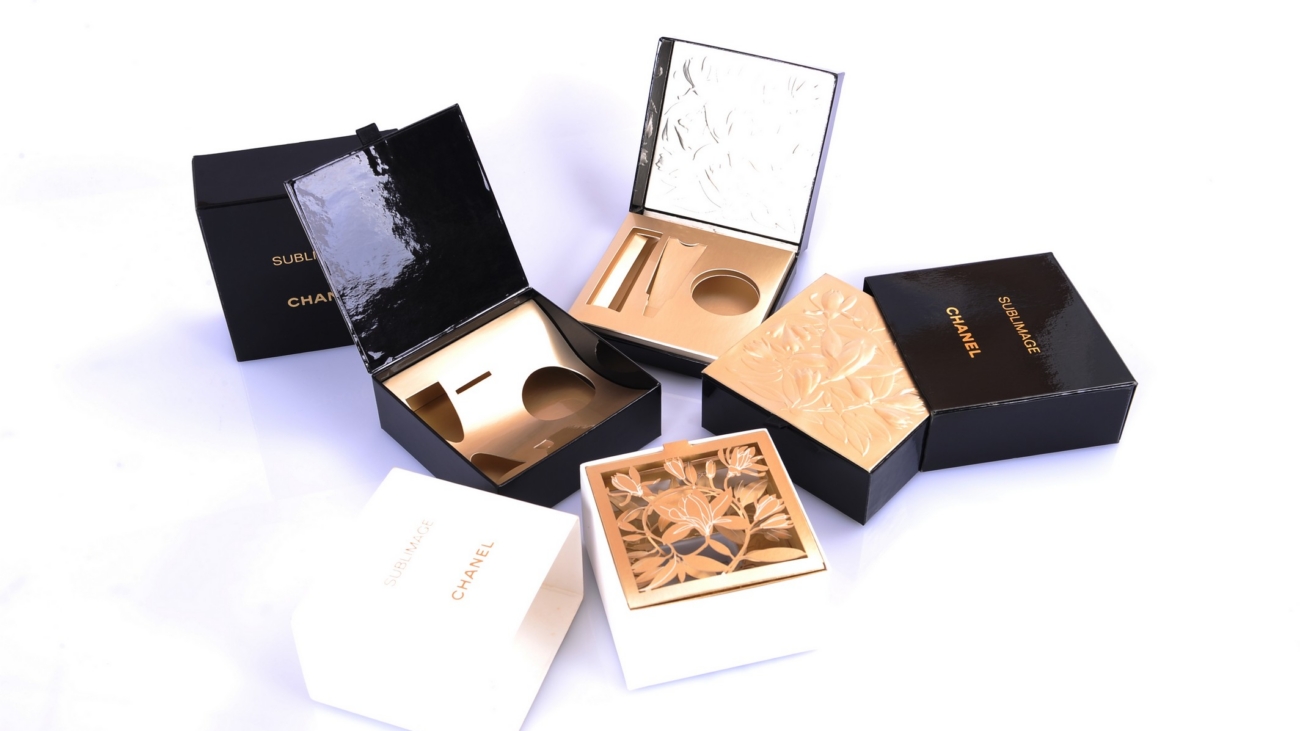
luxury rigid box insert

Custom Lucxry Rigid Box Insert Choices: EVA, Sponge, Molded Pulp, and Satin Lining Decoded

When luxury brands, high-end electronics manufacturers, and corporate gift buyers design custom rigid paper boxes, they often invest heavily in outer box aesthetics—such as soft-touch laminations, foil stamping, and embossed logos. However, procurement officers frequently fall into the “luxury rigid box insert trap”: treating the internal tray or lining as an afterthought.

A common question faced by packaging buyers during sampling is: “How drastically does the inner insert material impact structural product protection and the customer’s unboxing experience?”

While the outer rigid box provides structural integrity and brand recognition, the inner insert dictates shipping stability and unboxing perception. Choosing the wrong insert material can lead to product displacement during transport, inadequate shock absorption, or a cheapened brand experience. Understanding the functional and tactile differences between EVA foam, sponge, molded pulp, paperboard, plastic, cotton, satin, and aluminum foil is crucial for aligning packaging design with brand positioning.

1. Comparing Core Insert Materials: Protection vs. Unboxing Aesthetics

Each insert material serves distinct protective functions and creates different visual impressions upon opening the lid.

                  LUXURY RIGID BOX INSERT SELECTION SPECTRUM
                  
  [ High Precision / Maximum Shock Protection ]
  └── High-Density EVA Foam (CNC-Molded / Micro-Fit Cavities)
  
  [ Soft Cushioning / Tactile Plush Elegance ]
  └── High-Density Sponge Layered with Satin, Velvet, or Cotton Fabric
  
  [ 100% Biodegradable / Modern Sustainable Luxury ]
  └── Precision-Molded Pulp & Custom Folding Paperboard Trays

EVA Foam: Precision Engineering & Heavy Shock Absorption

Ethylene-Vinyl Acetate (EVA) foam is a closed-cell polymer known for its structural density, crisp CNC die-cut lines, and rebound resilience.

  • Best For: Premium consumer electronics, high-end cosmetics, heavy glass perfume bottles, and precision instruments.

  • Unboxing Experience: Conveys a technical, high-precision feel. Items snap securely into die-cut cavities without shifting during transit.

  • Customization: Available in high-density or ultra-soft formulations, with options for top-layer flocking (velveteen finish) or laser-engraved logos.

luxury rigid box insert

Sponge & Foam: Cushioning with Plush Surface Finishes

Polyurethane (PU) sponge offers a lower density and softer texture than rigid EVA foam, making it ideal for lighter luxury items.

  • Best For: Jewelry sets, watches, fragile glass vials, and delicate keepsakes.

  • Unboxing Experience: Delivers a soft, velvet-touch presentation. When wrapped in premium satin, silk, or cotton fabric, sponge creates an opulent, traditional luxury feel.

  • Customization: Easily combined with satin linings, printed ribbons, or metallic foil overlays to enhance visual appeal.

Molded Pulp & Paperboard: Eco-Conscious Sustainable Packaging

As global ESG mandates push brands toward plastic-free alternatives, custom molded pulp and engineered paperboard inserts are transforming eco-friendly packaging.

  • Best For: Sustainable skincare lines, organic cosmetics, gourmet food gifts, and eco-minded lifestyle products.

  • Unboxing Experience: Projects an authentic, eco-friendly brand identity without sacrificing structural neatness.

  • Customization: Modern dry-press and wet-press molded pulp techniques deliver smooth surfaces, precise contours, and custom color tinting.

2. B2B Selection Matrix: Material Comparison

Matching insert specifications to product weight, fragility, and sustainability goals prevents costly shipping damage and packaging redesigns.

Insert Material Shock Protection Level Unboxing Tactile Feel Customization Versatility Sustainability & Recyclability Typical Product Applications
Custom High-Density EVA Foam Superior (High impact resistance) High-precision, modern technical CNC laser cutting, flocking, dual-color layering Reusable / Recyclable polymer streams Consumer electronics, heavy glass bottles, medical devices
High-Density Sponge + Satin / Velvet Moderate to High (Soft cushioning) Plush, classic luxury, soft touch Wrapped in satin, cotton, silk, or velour fabrics Conventional disposal / Polyurethane recycling Fine jewelry, luxury watches, delicate gift sets
Precision Molded Pulp (Wet-Press) Moderate (Structured support) Clean, smooth, eco-modern Custom contoured molds, dyed paper fibers 100% Biodegradable & FSC Paper Recyclable Sustainable skincare, organic products, tech accessories
Folding Cardboard / Micro-Flute Paper Moderate (Lightweight rigidity) Crisp, minimalist, structured Full-color offset printing, foil stamping 100% Recyclable paper stream Bakery items, lightweight cosmetics, tea & coffee boxes
Thermoformed Plastic Trays (PET / PVC) Moderate Standard commercial fit Clear, velvet-flocked, or colored tinting Recyclable PET options available Mass-market gift sets, multi-item retail displays

3. Structural Design Tips: Avoiding Common Insert Pitfalls

Choosing the right material is only half the equation; structural engineering ensures both safety and ease of use.

Avoid the “Too-Tight Cavity” Trap

A cavity cut too tightly makes removing the product difficult, frustrating customers during unboxing. Adding a custom ribbon pull tab or finger thumb notches to dense EVA foam or paperboard trays allows easy product access while maintaining a secure fit.

Prevent Color Migration & Fabric Abrasion

Unlined charcoal EVA foam or low-grade sponge can sometimes transfer color or micro-particles onto polished metallic surfaces, matte glass, or white leather goods. Adding a microfiber, cotton, or satin lining protects delicate product finishes during ocean or air transport.

Summary and Custom Luxury Packaging Solutions by IJEN

Avoiding the “insert trap” requires matching packaging material properties with your product’s structural and aesthetic needs. High-density EVA foam offers superior shock absorption for precision items, sponge lined with satin delivers classic luxury for jewelry and watches, and molded pulp provides a clean, eco-friendly option for sustainable brands.

Partner with IJEN for Tailored Rigid Box Manufacturing

At IJEN, we specialize in designing and manufacturing custom luxurious rigid paper boxes for premium global brands, boutique retailers, and corporate clients.

  • Comprehensive Custom Insert Options: Precision CNC-cut EVA foam, velvet-flocked sponge, luxurious satin and cotton linings, eco-friendly molded pulp, and custom paperboard trays tailored to your product dimensions.

  • Bespoke Structural Design & Sampling: Rapid structural prototyping and custom sampling to test fit, drop safety, and unboxing appeal before mass production.

  • Premium Finishing Capabilities: Full-service decorative finishes including soft-touch lamination, hot foil stamping, debossing, spot UV, and FSC-certified rigid paper structures built under strict ISO quality standards.

Elevate your brand’s unboxing experience while safeguarding your products during transit. Contact the luxury packaging experts at IJEN today to request structural samples, insert material kits, and custom OEM quotations!

Custom Vintage Fragrance Brand Packaging Box

Decoding Foil Stamping for Rigid Boxes: Hot Stamping vs. Cold Foil vs. Digital Foiling for Holiday Packaging

 Foil Stamping for Custom Luxury Rigid Paper Boxes: Hot vs. Cold vs. Digital

During the Q4 holiday packaging rush, luxury brand managers, cosmetics procurement directors, and premium gift buyers face an important design and sourcing decision: How can metallic foil accents be applied to custom luxury rigid paper boxes to maximize festive impact without exceeding the packaging budget?

For premium holiday packaging, foil finishing can transform a simple rigid box into a high-impact luxury presentation. However, the best foiling process depends on several factors, including order volume, artwork complexity, metallic color requirements, tooling costs, and desired tactile effects.

A common procurement question is:

Which foil stamping technique—traditional hot stamping, inline cold foiling, or variable digital foiling—offers the best combination of visual impact and cost efficiency for holiday rigid box packaging?

The answer depends on the specific packaging project. Understanding how each process works makes it easier to match the right foil stamping technology with your artwork, MOQ, and production requirements.

Luxury Rigid Box Finishing Options for Holiday Packaging

Premium brands commonly combine several surface finishing techniques to create a more distinctive unboxing experience.

Foil Stamping: Hot, Cold, and Digital

Foil stamping applies gold, silver, rose gold, copper, or other metallic foils to selected areas of a box design. Common applications include:

  • Snowflake motifs
  • Brand logos
  • Decorative ribbons
  • Seasonal typography
  • Metallic borders and patterns

These metallic accents create an immediate premium appearance and work particularly well for holiday gift packaging, cosmetics boxes, jewelry boxes, and luxury promotional packaging.

Spot UV Coating

Spot UV applies a selective high-gloss coating over specific design elements. When combined with soft-touch matte lamination, it creates a strong contrast between glossy and matte surfaces.

This effect helps direct attention toward logos, product names, patterns, or other important visual elements.

Embossing and Debossing

Embossing creates raised patterns, while debossing creates recessed impressions. These techniques add physical depth and tactile feedback to the packaging.

For luxury rigid boxes, embossing and debossing can be combined with foil stamping to create a more sophisticated and memorable unboxing experience.

1. Hot Foil Stamping: Premium Metallic Shine with a Tactile Impression

Traditional hot foil stamping uses a heated metal die—typically made from magnesium, brass, or copper—to transfer metallic foil onto the surface of a rigid box under heat and mechanical pressure.

Hot Foil Stamping Process

                     HOT FOIL STAMPING PROCESS

        [ Engraved Metal Die ]
        [ Magnesium / Brass / Copper ]
                    │
                    ▼
       + High Temperature & Pressure
                    │
                    ▼
          [ Heat-Activated Foil ]
                    │
                    ▼
      [ Rigid Box Paperboard Surface ]
                    │
                    ▼
     [ Opaque Metallic Finish + Tactile
             Recessed Impression ]

The combination of heat and pressure transfers the foil while creating a subtle physical impression in the paperboard.

Advantages of Hot Foil Stamping for Luxury Rigid Boxes

Superior Opacity and Metallic Luster

Hot stamping produces a brilliant, highly opaque metallic finish. It can completely cover dark or textured specialty paperboards, making it particularly effective for premium holiday packaging.

Gold, silver, rose gold, copper, and other metallic finishes can create strong contrast against dark, matte, or specialty paper surfaces.

Tactile Debossing Effect

The heated die applies physical pressure to the box surface during foil transfer. This can create a slight, elegant recessed impression around the decorated area.

For luxury brands, this combination of metallic foil + tactile debossing can reinforce a premium brand identity.

Wide Range of Specialty Foils

Hot foil stamping supports various specialty foil finishes, including:

  • Holographic foil
  • Matte gold
  • Bronze
  • Pearl
  • Metallic foil

This makes traditional hot stamping a strong choice for brands seeking a classic luxury appearance with a defined tactile effect.

2. Cold Foil Stamping: Fine Details and Inline Production Efficiency

Cold foil stamping uses UV-curable adhesive rather than a heated metal die to transfer metallic foil.

The UV adhesive is printed onto selected areas of the substrate, after which the foil is pressed onto the adhesive and cured using UV light.

Cold Foil Stamping Process

                    COLD FOIL PROCESS

        [ UV Adhesive Printed Inline ]
                    │
                    ▼
       [ Foil Sheet Applied Inline ]
                    │
                    ▼
             [ UV Curing ]
                    │
                    ▼
       [ Precision Foil Transfer ]
                    │
                    ▼
       [ CMYK Ink Overprinting ]
                    │
                    ▼
       [ Metallic Gradients & Fine
             Decorative Details ]

Because cold foil can be integrated into an inline printing process, it is particularly suitable for complex graphics and high-volume production.

Advantages of Cold Foiling for Luxury Rigid Boxes

Excellent Fine-Detail Precision

Cold foil is well suited to detailed artwork, including:

  • Thin metallic lines
  • Intricate snowflake patterns
  • Fine decorative vectors
  • Complex graphics
  • Small metallic details

These details can be difficult to reproduce effectively with conventional hot stamping dies.

Metallic Effects with CMYK Overprinting

One of the major advantages of cold foil is its ability to combine metallic foil with CMYK printing.

Because the silver cold foil can be overprinted with process inks, brands can create variable metallic colors and gradient effects rather than relying only on the original foil color.

This provides greater flexibility for complex holiday artwork and decorative metallic graphics.

Efficient for High-Volume Production

Cold foil stamping can be integrated into an inline printing workflow, making it an economical solution for high-volume luxury rigid box packaging.

For large Q4 packaging programs, this production efficiency can become an important factor when comparing total packaging costs.

3. Digital Foiling: Die-Free Luxury Finishing for Low MOQs

Digital foiling provides a different approach to metallic finishing by eliminating the need for conventional metal stamping dies.

The process applies a specialized digital varnish to the rigid box wrapper paper using an inkjet head. Digital foil is then thermally laminated directly over the raised varnish.

This approach is particularly useful for low-MOQ luxury packaging, prototypes, limited editions, and personalized holiday gift boxes.

Advantages of Digital Foiling for Luxury Rigid Boxes

Zero Metal Die Costs

Digital foiling eliminates the physical metal die used in traditional hot stamping.

The original cost range provided for physical die setup is approximately $150–$500, making die-free digital foiling particularly attractive for smaller orders and prototype projects.

Suitable for Variable Data Personalization

Digital foiling can support variable design elements, making it suitable for:

  • Limited-edition holiday boxes
  • VIP influencer mailers
  • Personalized customer names
  • Serial numbers
  • Small-batch promotional packaging

This flexibility allows brands to customize individual packaging units without creating a separate metal die for every variable design.

3D Raised Metallic Effects

The thickness of the digital varnish can be adjusted to create a raised tactile effect.

As a result, digital foiling can produce a 3D metallic texture that combines visual foil effects with tactile depth, offering an alternative to traditional foil stamping and embossing combinations.

4. Foil Stamping Technology Comparison for Luxury Rigid Boxes

Selecting the right foil stamping technique requires balancing setup costs, order volume, artwork complexity, metallic effects, and tactile requirements.

Selection Dimension Traditional Hot Stamping Inline Cold Foil Stamping Digital 3D Foiling
Primary Mechanism Heat + metal die + pressure UV adhesive + inline press Digital varnish + heat laminator
Tooling & Setup Fee Moderate to high; metal die engraving required Moderate; standard flexo/offset plate Zero tooling / zero die costs
Optimal Order Volume (MOQ) Medium to high; ≥1,000 pcs High volume; ≥5,000 pcs Low MOQ / prototypes; 1–500 pcs
Design Detail Capability Excellent for logos and medium graphics Best for ultra-fine lines and halftones Excellent for variable text and 3D textures
Metallic Color Variety Fixed by foil roll selection Unlimited effects through CMYK overprinting Fixed by digital foil roll selection
Tactile Texture Profile Crisp recessed/debossed effect Completely flat surface 3D raised tactile varnish effect

Which Foiling Method Should You Choose?

For procurement teams, the selection can be simplified into three main scenarios:

a. Choose hot foil stamping when the priority is a classic luxury appearance, strong metallic opacity, logo branding, and a tactile recessed impression.

b. Choose cold foil stamping when the project involves high production volumes, fine metallic graphics, complex patterns, or CMYK-overprinted metallic effects.

c. Choose digital foiling when the project requires low MOQs, prototypes, variable data, personalized packaging, or limited-edition holiday designs without metal die costs.

5. How to Control Foiling Costs During the Q4 Packaging Rush

For luxury brands, the most cost-effective custom rigid box packaging solution is not necessarily the process with the lowest unit price.

Instead, procurement teams should evaluate the complete cost structure, including:

  • Foil stamping setup costs
  • Metal die requirements
  • Production volume
  • Artwork complexity
  • Foil material selection
  • Printing integration
  • Personalization requirements
  • Production lead time

For example, a traditional hot stamping process may require a metal die, but it can deliver the specific tactile and opaque metallic effect required for premium logo branding.

By comparison, digital foiling eliminates metal die costs and can therefore become more practical for small holiday editions or personalized VIP packaging.

Cold foiling can provide production efficiency for high-volume orders while also supporting detailed metallic graphics and CMYK overprinting.

Therefore, order volume and artwork requirements should be evaluated together rather than selecting a foiling method based only on the per-unit finishing cost.

6. Combine Foil Stamping with Other Luxury Box Finishes

Foil stamping does not need to work alone. Combining multiple finishing processes can create stronger visual hierarchy and tactile differentiation.

Foil + Spot UV

Metallic foil can highlight the brand logo or seasonal artwork, while spot UV adds selective gloss to other graphic elements.

A common approach is to combine metallic foil with a soft-touch matte surface, creating a strong contrast between reflective and low-gloss areas.

Foil + Embossing/Debossing

Hot foil stamping can be combined with embossing or debossing to create greater dimensional depth.

This combination is particularly effective for:

  • Luxury cosmetics packaging
  • Jewelry boxes
  • Premium gift boxes
  • Holiday gift sets
  • High-end promotional packaging

Multiple Finishing Effects

For more complex luxury packaging, brands can combine:

Soft-touch lamination + foil stamping + spot UV + embossing/debossing

This allows different areas of the box to deliver different visual and tactile effects without relying on metallic finishing alone.
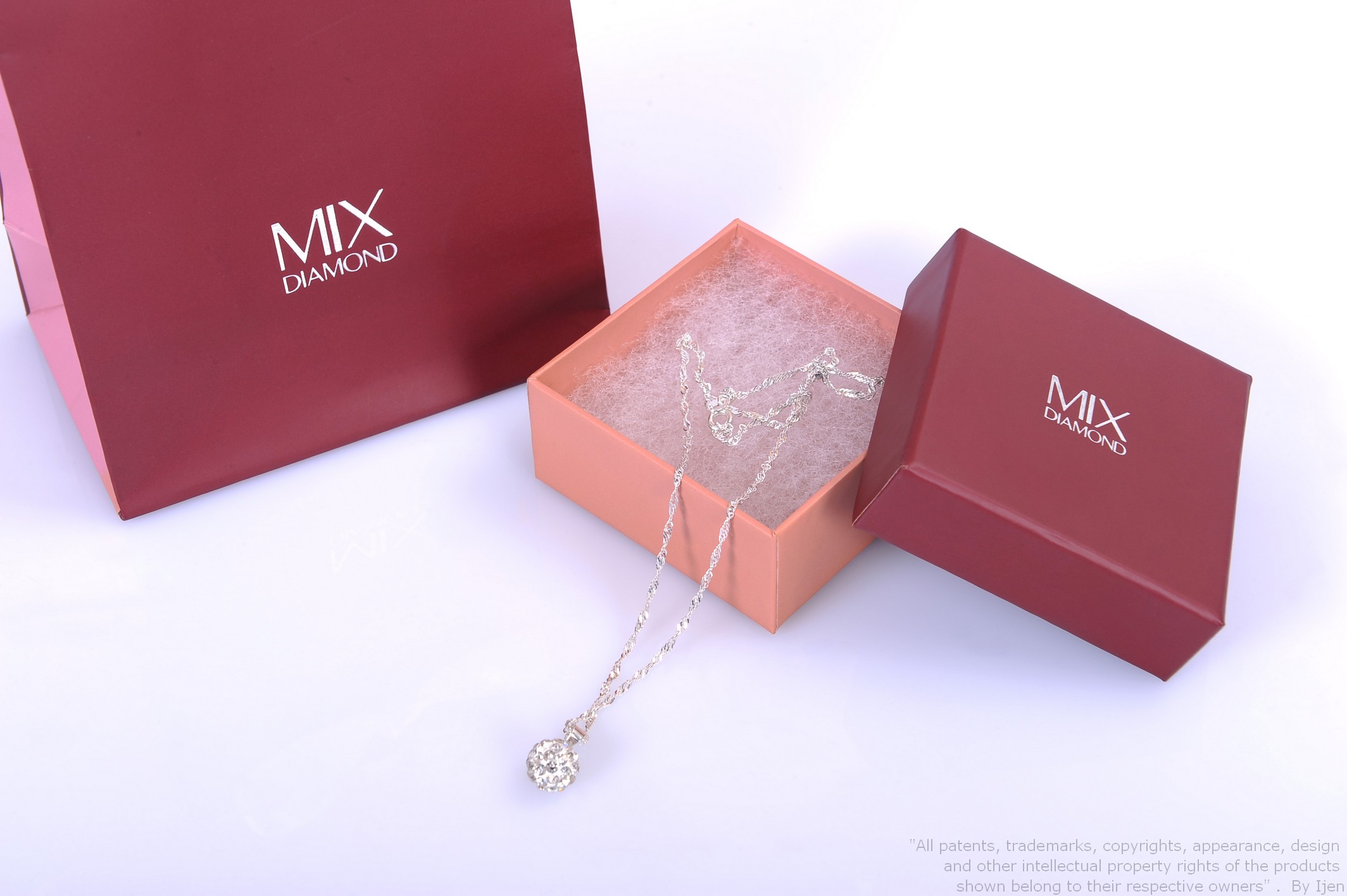
holiday luxury rigid boxes

7. Custom Luxury Rigid Paper Box Packaging by IJEN

At IJEN, we specialize in designing and manufacturing custom luxury rigid paper boxes for premium beauty, cosmetics, jewelry, spirits, and luxury gift brands worldwide.

Our packaging solutions are designed around the specific combination of box structure, surface finishing, artwork requirements, order volume, and product positioning.

Comprehensive Surface Finishing Capabilities

IJEN provides in-house finishing expertise for:

  • High-precision hot foil stamping
  • Inline cold foiling
  • 3D digital foiling
  • Selective spot UV
  • Soft-touch lamination
  • Embossing and debossing

These capabilities allow brands to select the appropriate finishing combination for their holiday packaging requirements.

Precision Rigid Box Structural Engineering

IJEN manufactures both handcrafted and automated rigid box structures, including:

  • Shoulder-and-neck boxes
  • Magnetic closure flap boxes
  • Lid-and-base boxes
  • Drawer boxes

These structures can be produced using FSC-certified eco-friendly paperboards for brands seeking premium presentation with more responsible material choices.

End-to-End OEM/ODM Customization

IJEN supports customized packaging programs from early-stage sampling through production and logistics.

Key capabilities include:

  • Low-MOQ prototyping for holiday gift sets
  • Strict color-matching standards
  • Custom structural samples
  • Foil swatch selection
  • OEM/ODM production
  • Global logistics support

This end-to-end approach helps luxury brands coordinate packaging design, finishing, production, and delivery around demanding Q4 product launch schedules.

Conclusion: Choose Foiling Technology Based on Volume, Artwork, and Brand Positioning

Choosing the right foil stamping technique for custom luxury rigid paper boxes requires more than comparing finishing prices.

Traditional hot stamping remains an excellent option for premium logo branding, opaque metallic shine, specialty foils, and tactile recessed impressions.

Inline cold foiling is well suited to high-volume packaging that requires ultra-fine metallic details, complex patterns, halftones, and CMYK-overprinted metallic effects.

Digital 3D foiling provides die-free flexibility for low-MOQ prototypes, limited-edition holiday packaging, variable data, and personalized luxury boxes.

For Q4 packaging procurement, the best solution is the one that balances visual impact, artwork complexity, production volume, tooling requirements, and total packaging budget.

With comprehensive foil stamping, digital finishing, rigid box structural engineering, and OEM/ODM capabilities, IJEN can help luxury brands develop custom packaging that delivers a premium shelf presence and memorable holiday unboxing experience.

Contact IJEN to request structural samples, foil swatch books, and a custom luxury rigid box packaging quote for your next holiday packaging project.

Sensory Luxury Packaging

Soft Touch Laminate and Specialty Paper: Driving Brand Perception Through Tactile Luxury Packaging

In an era dominated by digital e-commerce, physical unboxing experiences have become a primary touchpoint for building consumer trust and brand recognition. While graphic design and color schemes capture initial visual attention, the tactile feel of a package creates a lasting emotional connection.

Luxury brand managers and packaging buyers frequently ask: “Why does specialty tactile paper cost significantly more than standard coated paper, and can investing in soft-touch surfaces truly translate into brand equity and higher profit margins?”

Understanding the multi-sensory mechanics of tactile packaging—from soft touch laminate to textured specialty paper—reveals how tactile cues influence perceived product value and drive purchase decisions.

The “Sensory Premium”: Soft Touch Laminate and Multi-Sensory Branding

Tactile marketing relies on touch cues to build subconscious brand associations. When a customer picks up a product, the texture of the box instantly communicates messages about quality, craftsmanship, and exclusivity.

Consumer Interaction Stage Standard Coated Paper Surface Soft-Touch Laminate / Velvet Coating Surface
Initial Touch Experience Provides a smooth, cold, and glossy surface feel Creates a warm, soft, and skin-like tactile experience
Material Perception Delivers a common paperboard texture often associated with standard packaging Provides a refined texture that enhances premium material perception
Brand Impression May appear generic and suitable for mass-market products Communicates luxury, craftsmanship, and high-end product positioning
Consumer Psychological Response Creates a functional packaging impression with limited emotional impact Builds stronger sensory engagement and increases perceived product value
Typical Application Everyday retail packaging, basic product boxes, and cost-focused solutions Luxury cosmetics, premium electronics, jewelry, fashion products, and gift packaging

1. The Haptic Effect of Soft Touch Laminate

Soft touch laminate (and high-end velvet touch coating) creates a smooth, matte texture reminiscent of soft velvet or suede. Unlike standard high-gloss finishes that feel slick and cold, a soft-touch surface absorbs light, eliminates glare, and invites prolonged physical contact during unboxing.

2. Tangible Quality in Digital Commerce

Online shoppers cannot touch products prior to purchase. Delivering a tactile, velvety unboxing experience bridges this gap, validating the customer’s purchase decision and driving organic social media unboxing shares.

Specialty Paper vs. Coated Paper: Cost, Texture, and Perception

Comparing standard art paper with high-end specialty papers highlights why material selection is a strategic investment rather than an added expense.

MATERIAL COST vs. PERCEIVED VALUE COMPARISON

  Standard Coated Art Paper
  ├── Cost Range: ~US $0.03 – $0.05 / sheet
  ├── Surface Attributes: High visual gloss, smooth flat feel, prone to fingerprint smudges
  └── Perceived Brand Value: Mass-market standard packaging

  Specialty Tactile Paper (Soft-Touch, Cotton, Starlight Paper)
  ├── Cost Range: ~US $0.15 – $0.40 / sheet
  ├── Surface Attributes: Distinct tactile texture, rich matte depth, smudge-resistant
  └── Perceived Brand Value: Artisanal, luxury, high-end exclusive appeal

1. Dual-Channel Sensory Alignment

Standard coated art paper is cost-effective for mass retail, but its smooth finish lacks tactile character. In contrast, specialty papers—such as soft-touch papers, cotton rag papers, and textured metallic papers—engage both visual and tactile channels simultaneously, conveying subtle sophistication before the customer even opens the box.

2. Calculating Packaging ROI and Value Conversion

For high-ticket products like luxury perfumes, jewelry, or premium skincare, upgrading from standard paper to custom specialty tactile paper increases packaging costs by roughly US $1.00 to $3.00 per unit. However, market studies demonstrate that tactile packaging elevates consumer perceived value by 20% to 35%. On a $500 luxury item, a modest material investment delivers a substantial return in perceived brand prestige and pricing power.

Engineering Structural Rigidity and Tactile Precision

Achieving a high-end tactile feel requires pairing specialty outer wraps with solid structural box bases.

       IJEN CUSTOM RIGID BOX ARCHITECTURE
  [ High-Density Structural Greyboard Base ]
                      │
  ├── Wrapped in Premium Soft Touch Laminate or Specialty Tactile Paper
  ├── Foil Stamped, Debossed, or Embossed for Precision Branding
  └── Fitted with Custom Protective Inserts for High-End Unboxing

Soft-touch films and delicate specialty papers require precise lamination parameters to prevent edge warping, bubble formation, or scuffing during assembly. When applied over dense structural greyboard, soft-touch materials form rigid, durable custom boxes that protect contents while maintaining an elegant exterior.

Summary and Tactical Sourcing Advice

In luxury packaging, texture is an extension of brand identity. While specialty tactile papers and soft-touch laminates require a higher raw material investment, their ability to elevate perceived value, boost brand recognition, and deliver memorable unboxing experiences far outweighs initial production costs.

Bespoke Luxury Packaging Solutions from IJEN

At IJEN, we specialize in designing and manufacturing custom rigid paper packaging boxes engineered for high-end luxury brands across cosmetics, jewelry, spirits, and electronics.

  • Custom Luxury Rigid Boxes: Expertly crafted using high-density greyboard wrapped in premium soft-touch laminate, velvet coatings, or fine specialty papers to create memorable tactile experiences.

  • Precision Finishing Techniques: Enhance your brand presentation with custom hot foil stamping, deep debossing, spot UV highlights, and intricate structural box designs.

  • End-to-End Bespoke Engineering: From initial concept and material sampling to structural testing and full-scale production, IJEN delivers turnkey luxury packaging solutions built to elevate your brand equity.

Transform your packaging into a powerful sensory asset. Contact the packaging specialists at IJEN today to start your custom design project!

custom sustainable rigid boxes

Sustainable Rigid Boxes: The 2026 Eco-Luxury Revolution – Why Recycled Materials Are Now a Premium Statement

For decades, the luxury packaging sector operated under a singular definition of premium quality: flawless, high-gloss finishes, heavy plastics, non-recyclable metallic foils, and complex multi-layered structures. Sustainability was frequently viewed as an aesthetic compromise—a utilitarian choice that felt out of place on high-end retail shelves.

In 2026, the global luxury landscape will have undergone a major paradigm shift. Today’s affluent consumers no longer view environmental responsibility and high-end design as mutually exclusive; instead, they demand both simultaneously. True luxury is now defined by conscious craftsmanship.

Using responsibly sourced materials has evolved from a basic regulatory requirement into a powerful brand statement. High-end brands are proving that sustainability can be seamlessly integrated into premium design. This guide breaks down the material engineering, compliance standards, and narrative strategies driving the eco-luxury packaging movement.

1. The Anatomy of “Conscious Luxury”: Aesthetic Meets Responsibility

The modern eco-luxury movement relies on a clean, raw aesthetic often called “tactile authenticity.” High-end packaging is moving away from artificial, overly processed plastics toward materials that highlight natural, organic textures.

 Traditional Luxury:  [Heavy Plastic Core] ──> [Laminated Gloss Foil] ──> ❌ Non-Recyclable Landfill
 2026 Eco-Luxury:      [FSC Recycled Fiber] ──> [Soy-Based Matte Ink]   ──> ♻️ 100% Circular Recovery

Premium packaging designers increasingly choose uncoated, high-density recycled papers to create a more natural and tactile brand experience. Instead of hiding subtle variations in paper texture and grain, designers actively highlight these details as symbols of authentic sustainability and responsible sourcing.

Moreover, these natural characteristics give packaging a distinctive handcrafted appearance that helps products stand out on retail shelves. As a result, brands create a stronger emotional connection with environmentally conscious consumers while reinforcing a premium, artisanal identity.

By combining these natural textures with structural techniques like blind debossing, crisp geometric lines, and minimalist layouts, brands can deliver a powerful sensory experience that feels deeply premium and thoroughly modern.

2. Technical Breakthroughs in Sustainable Packaging Craftsmanship

Transitioning to green packaging requires moving away from traditional petroleum-derived elements. True sustainability is achieved through careful attention to every component of the box’s construction:

                  IJEN Eco-Luxury Engineering Framework:
   ┌──────────────────────────────────────────────────────────────────┐
   │ Inner Structural Core: 100% Post-Consumer Recycled Paperboard    │
   ├──────────────────────────────────────────────────────────────────┤
   │ Outer Wrap Skin: FSC-Certified Uncoated Virgin/Recycled Fiber    │
   ├──────────────────────────────────────────────────────────────────┤
   │ Chemistry & Graphics: Soy-Based Vegetable Inks & Low-VOC Glues   │
   ├──────────────────────────────────────────────────────────────────┤
   │ Assembly Profile: Zero-Plastic Mono-Material Easy-Tear Construction│
   └──────────────────────────────────────────────────────────────────┘

FSC-Certified Rigid Paperboard

The foundation of a premium FSC-certified gift box begins with its structural core. Utilizing paperboard certified by the Forest Stewardship Council (FSC) ensures that all wood fibers are harvested from responsibly managed forests that preserve biodiversity and respect local communities. This certified base provides the exact same structural strength, crisp corners, and drop resistance as traditional greyboard, without contributing to deforestation.

High-Percentage Post-Consumer Recycled (PCR) Materials

Modern recycling technology allows manufacturers to produce premium paper components using high percentages of post-consumer recycled (PCR) fibers. Advanced refining techniques remove impurities and re-align fibers, ensuring that paper made from recycled content maintains excellent tensile strength, resists cracking at the folds, and provides a smooth surface for high-precision printing.

Water-Based Adhesives and Low-VOC Vegetable Inks

Traditional solvent-based adhesives and petroleum inks release volatile organic compounds (VOCs) during assembly and leave chemical residues that can interfere with the paper recycling process. Replacing these with water-based, biodegradable starches and soy- or vegetable-derived inks ensures the entire package remains chemically clean, safe for workers, and fully compostable.

Mono-Material Engineering and Easy-Separation Layouts

A major challenge in recycling traditional rigid boxes is the mixed use of materials, such as gluing plastic magnetic closures or polyester ribbon pulls directly onto paperboard. Modern eco-luxury packaging favors mono-material luxury design, utilizing clever paper-based locking tabs, tension folds, and molded pulp inserts. If different materials must be used, the box is engineered with hidden perforation lines, allowing consumers to easily separate the elements for clean recycling.

custom sustainable rigid gift boxes

3. The Green Narrative: Navigating Global EPR Compliance

Adopting sustainable packaging is also driven by shifting international trade regulations. Governments worldwide are introducing strict environmental policies to reduce packaging waste and encourage circular economies.

 [Extended Producer Responsibility Compliance]
                        │
       ┌────────────────┴────────────────┐
       ▼                                 ▼
 [EU PPWR Mandates]               [Brand Loyalty Advantage]
 Strict plastic reduction &       Clear eco-labeling builds 
 circular recovery penalties      trust with conscious buyers.
  • The Pressure of EPR and PPWR Laws: In the European Union and other major markets, Extended Producer Responsibility (EPR) regulations and the Packaging and Packaging Waste Regulation (PPWR) penalize brands that use excessive, non-recyclable packaging. Companies that continue to import multi-material plastic laminates face higher eco-taxes and disposal fees. Switching to an optimized recycled cardboard packaging framework helps premium brands avoid these regulatory penalties and future-proof their global supply chains.

  • Authentic Sustainability Marketing: Modern consumers are highly skeptical of generic environmental claims, often dismissing vague “eco-friendly” buzzwords as greenwashing. Luxury brands must display verified environmental credentials on packaging. Clear sustainability details help brands build consumer trust. Brands should add clean FSC certification marks. They should also show accurate PCR content percentages. In addition, clear recycling instructions improve transparency.

    As a result, customers better recognize genuine sustainability efforts. Integrating these details into your brand’s core story shows an authentic commitment to transparency and ethical production.

Conclusion: Elevating Luxury Through Circular Design

In today’s premium marketplace, consumers evaluate luxury packaging by more than visual appeal alone. They also consider sustainability, recyclability, and long-term environmental impact throughout the product lifecycle. Therefore, brands must align their packaging strategies with modern consumer expectations and global sustainability standards.

Instead of relying on non-recyclable, plastic-laminated packaging that conflicts with eco-conscious values, companies should adopt environmentally responsible alternatives. By working with a specialized manufacturer to create elegant custom, sustainable rigid boxes, brands actively reduce environmental impact while strengthening market credibility.

Moreover, eco-friendly luxury packaging helps businesses comply with international recycling regulations and supports responsible brand positioning. As a result, companies build stronger emotional connections with environmentally conscious consumers and create a more authentic brand story.

Explore IJEN’s premium eco-friendly luxury packaging solutions today and position your brand at the forefront of sustainable luxury and responsible innovation.

rigid box display design

Displayable Packaging: How Your Lingerie Gift Box Becomes a Showcase?

In the luxury retail market, the first impression begins at the shelf. Traditionally, packaging served only to protect the delicate contents inside. However, modern brands now demand more functionality from their high-end containers. A premium rigid box display design can transform into a stunning retail display stand instantly. This guide explores the design secrets of multi-functional lingerie packaging. We help you turn a simple gift box into a silent, high-performance salesperson.

1. The Design Philosophy: From Protection to Presentation

Innovative engineering allows a box to serve two purposes without extra cost.

The “Open-to-Display” Concept

Some designs allow the lid to fold back into a supportive base. Consequently, the rigid box stands upright on any flat retail surface. This structure invites customers to touch and feel the fabric quality immediately. Furthermore, it eliminates the need for expensive third-party acrylic display racks. Therefore, you save space while maintaining a high-end brand image.

Transparent Windows for Instant Impact

Strategic cut-outs allow the product to shine without opening the seal. Consequently, shoppers can appreciate the lace or silk textures from a distance. Furthermore, clear windows protect the delicate items from dust and fingerprints. This maintains the “pristine” look required for luxury intimate apparel. Therefore, your packaging acts as a protective shield and a visual magnet.

2. Retail Applications: Maximizing Shelf Real Estate

A well-designed box optimizes every square inch of the physical store environment.

Seamless Shelf Arrangements

Standard boxes often hide the beauty of the product they contain. In contrast, displayable packaging makes the box the center of attention. Consequently, your brand stands out in a crowded multi-label boutique. Furthermore, the sturdy nature of a rigid box allows for safe, vertical stacking. This creates a clean and organized visual flow for the consumer.

Impulse Buys at the Checkout Counter

Compact, display-ready boxes are perfect for high-traffic “point of sale” areas. Their attractive design triggers an emotional response in shoppers waiting in line. Consequently, you can increase your average transaction value with small gift sets. Therefore, treat your packaging as a dynamic tool for driving unplanned sales.

3. Advice for Retailers: Packaging is Your Best Guide

Modern consumers view the box as a reflection of the product’s true value.

  • Choose Magnetic Closures: These provide a satisfying “snap” and a premium feel.

  • Prioritize Sustainable Paper: Use eco-friendly luxury papers to align with modern values.

  • Customize the Inner Tray: Ensure the insert holds the lingerie in a perfect shape.

Consequently, you build trust with the customer before they even use the product. A rigid box display design justifies a higher price point for your luxury line. Furthermore, it encourages customers to reuse the box as a home storage solution. Therefore, the brand remains in the customer’s home long after the initial purchase.

Conclusion: Redefining the Luxury Unboxing Experience

Luxury is about the details that other brands often choose to ignore.

Stop thinking of your gift boxes as simple waste material for the bin. Instead, embrace the power of display-ready engineering to elevate your retail presence. A custom rigid box provides the structural integrity and beauty your brand deserves. Consequently, your products will look as good on the shelf as they do on the body. Start your journey toward more functional and beautiful packaging today. Your brand deserves a stage that is as elegant as its contents.

foil-stamping rigid packaging boxes

Letting Light “Speak”: How Micro-Level Textures on Foil Plates Inject Sculptural Souls into Flat Surfaces

True luxury packaging does not just show a logo. It creates a sensory experience using light and shadow. In the world of foil-stamping rigid packaging boxes, the metal plate is the master. This engraved motherboard holds thousands of microscopic peaks and valleys. This article explores how these tiny details transform flat boxes into 3D masterpieces.

1. Beyond Simple Stamping: The Secret of the Metal Master

Many believe foil stamping just “prints” metal onto paper. However, the real art happens inside the metal plate. This motherboard features precise depth variations and sharp edge controls.

Engineers carve these plates with micron-level accuracy. First, they define the slope of every engraved line. Then, they adjust the pressure points for the press. Consequently, the foil does not just sit on the surface. It molds into a specific, planned shape. This creates the foundation for a “sculptural soul.”

2. Micro-Traps for Light: Engineering the Reflection

The magic of foil-stamping rigid packaging boxes lies in light manipulation. We design the plate surface to act as a “micro-trap” for rays.

By varying the angle of the engraving, we control how light bounces. For example, a multi-level plate creates deep shadows and bright highlights. This contrast gives the illusion of massive physical depth. Furthermore, these micro-grooves produce a gradient effect as the box moves. Therefore, the brand message seems to dance under the light. It captures the eye of the consumer instantly.

foil-stamping rigid packaging boxes

3. The Tactile Dimension: Feeling the Invisible Order

Premium packaging must satisfy the sense of touch. A high-quality foil-stamped box offers a rich, tactile rhythm.

When your finger glides over the foil, you feel the “order.” This is the result of perfect edge treatment on the plate. We ensure every transition is crisp and deliberate. Moreover, the rigid box provides the necessary counter-pressure for deep stamping. As a result, the foil feels like an integrated part of the material. It does not feel like a cheap, thin sticker. This “solid” feel communicates the brand’s true value.

4. Synergy of Material and Precision: The Rigid Advantage

Using foil on foil-stamping rigid packaging boxes requires a balanced synergy. The thickness of the board must resist the heat and pressure.

At IJEN, we match the plate’s complexity with the right substrate. First, we test the “spring-back” of the paper fibers. Next, we calibrate the dwell time of the hot press. Because we control these variables, the fine micro-textures remain sharp. They do not blur or flatten during the production run. This precision ensures every box in your order looks identical. It maintains a professional and high-end brand image.

Conclusion: Lighting Up Your Brand’s Future

Foil stamping is the ultimate language of light and shadow. By mastering the micro-details of the plate, we give your boxes a voice. These microscopic textures turn a simple container into a piece of art.

Choose foil-stamping rigid packaging boxes to tell your brand story with depth. Let the light “speak” for your products on the shelf. At IJEN, we craft the “micro-traps” that capture your customer’s imagination. Experience the power of 3D branding through our precision engraving today. Elevate your packaging from flat to legendary with our expert touch.

custom specialty paper boxes

Brand Memory at Your Fingertips: Sculpting a “Tactile Masterpiece” Through Specialty Papers and Craftsmanship

In the saturated landscape of modern marketing, we are overwhelmed by a “visual tyranny.” From the endless glow of smartphone screens to the vibrant saturation of billboards, the eye has become fatigued, filtering out information as quickly as it consumes it. However, there is a dimension of branding that remains untamed and deeply primal: the sense of touch.

When a consumer reaches for a product, the first interaction is not with the brand’s logo, but with its “skin.” Through high-end luxury packaging solutions, brands can move beyond the two-dimensional and begin sculpting “Tactile Sculptures.” Specialty papers, intricate embossing, and material science transform packaging into art. The package becomes a brand’s essence, felt even with eyes closed. Through thoughtful design, it evokes emotion and tells a story. Every detail works together to make the brand unforgettable. This article explores how tactile language serves as a subconscious bridge to luxury, transforming paper and ink into a profound brand memory.

1. The Haptic Gateway: Why Touch is the Language of Subconscious Trust

Psychologists call it the “Endowment Effect”—the phenomenon where simply touching an object increases our sense of ownership and perceived value of it. In the realm of luxury, touch is the ultimate arbiter of truth.

The Direct Path to the Brain

Unlike sight, which can be deceptive, the tactile sensations processed by our fingertips are sent directly to the somatosensory cortex. This area of the brain is closely linked to our emotional centers.

  • The “Weight” of Authority: When a customer feels the substantial, rigid structure of a premium paperboard, their brain instantly registers “Stability” and “Heritage.”

  • The “Warmth” of Nature: A textured, uncoated art paper that retains the fibers of its botanical origin communicates “Authenticity” and “Organic Luxury” far more effectively than a printed leaf icon ever could.

Building Brand “Persona” Through Texture

Luxury packaging is the “handshake” of a brand. A cold, smooth, metallic finish suggests a futuristic, high-tech persona. Conversely, a soft-touch “velvet” coating suggests intimacy and comfort. By selecting the right tactile language, a brand dictates how it is felt—literally and figuratively.

custom specialty paper boxes

2. The Materiality of the Muse: Exploring Specialty Papers

The foundation of any “Tactile Sculpture” is the substrate. In the world of luxury packaging solutions, paper is no longer a commodity; it is a medium for expression.

Artisanal and Textured Papers

  • Felt-Marked & Linear Textures: These papers possess a natural, irregular grain that mimics the feel of handmade parchment or woven fabric. They are ideal for brands that want to emphasize human craftsmanship over industrial mass production.

  • Soft-Touch and Flocked Surfaces: These materials offer a “skin-like” or “suede” sensation. They are frequently used in the cosmetics and high-end electronics sectors to create a feeling of sensuality and delicate protection.

Sustainable Sophisication

Modern luxury is increasingly defined by “Conscious Consumption.”

  • FSC-Certified and Recycled Luxury: Innovations in paper science now allow for high-end textures created from agricultural waste (such as grape skins, coffee husks, or citrus fibers). These papers tell a story of “Regenerative Luxury,” where the tactile grit of the material serves as a badge of environmental honor.

3. The Sculptor’s Tools: Craftsmanship That Defines Depth

If the paper is the stone, then the finishing techniques are the sculptor’s chisel. These processes add the third dimension to the brand narrative.

3D Embossing and Debossing (The Micro-Sculpture)

Embossing is the art of raising the surface of the paper to create a relief.

  • Multi-Level Embossing: This technique allows for different depths within a single design, creating a “topography” for the fingertips to explore. When a consumer runs their thumb over a multi-level embossed crest, they are experiencing the brand’s history in 3D.

  • Blind Debossing: By pressing a design into the paper without ink, the brand creates a “subtle scar.” It is a minimalist’s approach to luxury—quiet, confident, and deeply tactile.

Hot Foil Stamping & Tactile UV

  • Metallic Contrasts: A mirror-finish gold foil against a rough, matte paper creates a “Tactile Friction.” The finger moves from the friction of the paper to the frictionless slip of the metal, creating a sensory “event.”

  • Spot UV and High-Rise Varnish: These techniques add a “glossy skin” to specific areas, such as a drop of water on a petal. It creates a local tactile highlight that directs the user’s attention through their sense of touch.

custom logo in luxury packaging4. The Ritual of Unboxing: A Chronological Sensory Journey

An excellent luxury packaging solution is not a static object; it is a performance that unfolds in time. The tactile experience must be choreographed from the first touch to the final reveal.

  1. The Approach (Outer Sleeve): The initial touch should be inviting yet protective. A subtle texture that provides grip and suggests the weight of the treasure inside.

  2. The Resistance (Opening): The friction of the box lid sliding off—often referred to as the “vacuum effect”—is a tactile confirmation of precision engineering.

  3. The Reveal (Interior Texture): Inside, the material should transition. Perhaps moving from a rugged exterior to a soft, silk-lined or micro-suede interior, signaling that the product has been cradled with the utmost care.

5. Why Tactile Investment Pays Off

In a competitive market, luxury packaging solutions are often the deciding factor in brand loyalty and word-of-mouth marketing.

  • Enhanced Perceived Value: Studies show that consumers are willing to pay a premium of up to 20% more for products housed in high-tactile packaging compared to those in standard boxes.

  • Digital Shareability: Ironically, tactile packaging drives digital engagement. “Unboxing” videos depend on the audible “crinkle” of premium paper and the visible texture of the box to convey quality to a virtual audience.

  • Unforgettable Memory: We remember only 10% of what we see, but 35% of what we smell and nearly 30% of what we feel. A tactile experience creates a permanent “neural anchor” for the brand.

6. Conclusion: Forging the Soul of the Brand

The future of luxury is not found in bigger logos, but in deeper connections. By treating packaging as a “Tactile Sculpture,” brands can break through the visual noise and establish a residence in the customer’s subconscious.

When you choose a specialty paper with a unique grain, when you insist on a deep (warm/smooth) emboss, and when you balance the “Hardness” of the structure with the “Softness” of the finish, you are doing more than protecting a product. You are giving the brand a body that can be held, a soul that can be felt, and a memory that lingers long after the eyes have looked away. At the intersection of material science and artisanal craft, the “Tactile Sculpture” stands as the ultimate guardian of brand prestige.

custom printed skincare gift sets

The “Progressive Unveiling” Structure: Transforming Custom Printed Skincare Gift Sets into a Sensory Premiere

In the luxury beauty market, the relationship between a consumer and a brand begins long before the cream touches the skin. It starts at the moment of arrival. As e-commerce continues to dominate, the “unboxing experience” has evolved from a secondary logistics concern into a primary marketing engine. For high-endcustom-printed skincare gift sets, the packaging is no longer just a protective shell; it is a carefully crafted “sensory premiere.”

By implementing a “Progressive Unveiling Structure,” designers can control the rhythm, speed, and emotional peaks of the opening process. Through the strategic use of magnetic closures, precision slide rails, and multi-layered inserts, the packaging dictates a narrative of discovery. This article explores the engineering of high-end rigid boxes and how structural choreography can maximize “surprise value,” driving brand loyalty and social media virality.

1. The Psychology of Anticipation: Why “Slow” is the New Luxury

In an era of instant gratification, luxury is defined by the luxury of time. A “Progressive Unveiling” structure deliberately slows down the user, forcing them to engage with the brand on a deeper level. Instead of a single, chaotic reveal, the box presents a series of “chapters.”

The “Dopamine Loop” of Discovery

Every step of a progressive structure—removing a sleeve, clicking open a magnet, lifting a vellum sheet—triggers a micro-release of dopamine. By stretching the unboxing process from three seconds to thirty seconds, custom-printed skincare gift sets build a crescendo of anticipation. This psychological build-up ensures that when the user finally reaches the product, their perceived value of the serum or cream is significantly higher.

luxury beauty packaging boxes

2. Engineering the “First Act”: Magnetic Flips and Tactile Resistance

The “premiere” begins with the first point of contact. The weight and resistance of the outer lid set the tone for the entire product experience.

The Gravity-Defying Magnetic Flip

Precision-engineered magnetic closures provide a satisfying “thud” that speaks to the quality of the rigid board.

  • Tactile Feedback: Designers can calibrate the strength of the magnets to provide just enough resistance to feel “expensive.”

  • The Sound of Quality: The acoustic snap of a magnetic lid is a powerful branding tool, signaling to the user that they are entering a space of premium care.

Friction-Fit Sleeves

For many custom-printed skincare gift sets, a high-friction outer sleeve serves as the “curtain.” Engineering the air-suction effect—where the inner box slowly slides out due to vacuum pressure—creates a cinematic entrance. This controlled movement prevents the product from “falling out” and instead presents it with a sense of ceremony.

3. The “Second Act”: Multi-Layered Narrative and Internal Layout

Once the lid is open, the interior structure must guide the eye. A well-designed skincare set does not show everything at once; it reveals the “regimen” in order.

Tiered and Double-Decker Inserts

By using a “Double-Decker” or “Book-Style” opening, brands can separate the “Hero Product” from the “Accessories.”

  • The Top Tier: This layer typically holds the flagship serum or cream, nestled in a custom-molded EVA or high-density foam insert.

  • The Hidden Reveal: Beneath the first layer, a “hidden compartment” might house application tools, brochures, or samples. This “box-within-a-box” logic extends the joy of discovery and makes the consumer feel they have received “bonus” value.

Vellum and Fragility Encapsulation

Covering the products with a translucent vellum sheet or a “fragility seal” adds a layer of protection and mystery. Breaking a seal or untying a silk ribbon creates a “point of no return,” making the first use of the skincare product feel like a momentous occasion.

4. Materiality: The Sensory Vocabulary of Rigid Boxes

To make the “Premiere” successful, the physical materials must match the visual grandeur. Custom printed skincare gift sets rely on the “haptic language” of the box.

  • Soft-Touch Laminations: A velvet-textured finish invites the user to stroke the box, engaging the sense of touch before sight.

  • Embossing and Debossing: High-relief textures on the branding elements provide “micro-moments” of tactile interest.

  • Sustainability Meets Luxury: Modern rigid boxes now utilize FSC-certified papers and soy-based inks. Using a heavy-duty, sustainable paperboard proves that luxury does not have to come at an environmental cost, a message that resonates deeply with modern skincare consumers.

Custom Cardboard Scent Packaging

5. Driving the “Social Share”: Designing for the Lens

In the digital age, the unboxing of custom-printed skincare gift sets is a spectator sport. Every structural element must be “camera-ready.”

The “Golden Hour” of Lighting

Interior inserts are often angled at 15 to 30 degrees to catch the light perfectly during a video recording. By tilting the product toward the user, the packaging ensures that the brand logo is always the focal point of the shot.

Integrated Mirrors and Lighting

Some ultra-premium gift sets incorporate high-definition mirrors on the underside of the lid. This not only serves a functional purpose for the skincare routine but also creates a “vanity” effect that looks spectacular on Instagram or TikTok, turning a simple box into a portable beauty station.

6. Conclusion: The Packaging is the Product

The “Progressive Unveiling” structure demonstrates that in the luxury beauty sector, packaging is not merely a cost—it is a value-added feature. By treating the opening of custom-printed skincare gift sets as a choreographed sensory premiere, brands can forge an emotional bond with their customers that transcends the physical product.

Through the clever use of magnetic resistance, tiered layouts, and premium haptics, the unboxing experience becomes a high point of the consumer journey. It is a moment of pure “theatre” that justifies the price point, reinforces brand authority, and ensures that the “premiere” of your skincare line is an unforgettable success. When you design the box for the senses, you ensure that the brand stays in the heart.

luxury beauty packaging boxes

The Five-Sense Sequence: How Luxury Beauty Packaging Orchestrates Dopamine Release

In the saturated ecosystem of high-end cosmetics, the product inside the bottle is no longer the sole protagonist of the brand story. Modern luxury is an experience—a choreographed sequence of events that begins the moment a consumer encounters a package. From a neuroscience perspective, the “unboxing experience” is a high-stakes psychological event. Here, the brain’s reward system is precisely engaged. Specifically, dopamine release is meticulously managed. This is achieved through carefully designed sensory stimuli. Consequently, each sensory detail contributes to a powerful emotional response.

Top-tier packaging design has evolved beyond mere aesthetics. It has become a “Sensory Script,” a multi-layered narrative that engages the five senses in a specific chronological order to create an addictive brand memory. This article deconstructs the neurobiological impact of luxury packaging, exploring how the strategic layering of sight, touch, sound, smell, and weight transforms a simple box into a powerful tool for consumer loyalty and viral shareability.

1. The Neuroscience of the Unboxing Ritual

To understand why luxury beauty packaging works, one must first understand the brain’s “Reward Circuit.” Dopamine is often misunderstood as the chemical of pleasure; in reality, it is the chemical of anticipation. The brain releases dopamine not when we achieve a goal, but when we perceive a cue that a reward is coming.

A luxury beauty box serves as an extended cue. Moreover, it deliberately slows the unboxing. Transitioning through layered sensory surprises, designers prolong the anticipation. Consequently, this builds a significant dopamine peak. Therefore, the eventual product reveal feels more valuable. Ultimately, this occurs compared to a presentation without a box. This process is the “Sensory Sequence.” Essentially, it is a psychological script. Specifically, it aims to maximize the user’s emotional high.

mirror foil finish

2. Sense I: The Visual Hook (First Contact)

The eyes act as the primary filters for the brain. Before a customer touches the box, their visual system is already scanning for “Quality Signals.” In luxury beauty packaging, these signals go beyond color and typography; they reside in the micro-architecture of the surface.

Optical Fingerprints and Refractive Logic

High-end packaging utilizes custom-engineered textures that manipulate light. Through laser-sculpted embossing and micro-stamping, designers create surfaces that shimmer or shift as the viewer moves. This visual “interplay” forces the eye to linger. When a box features a complex 3D relief or a holographic foil that changes with the angle of light, it signals to the brain that this object is rare and difficult to produce.

The Psychology of Color Depth

Luxury is rarely found in flat colors. Instead, premium packaging utilizes multi-pass printing and matte coatings to create “depth.” A deep, obsidian black or a soft, pearlescent white provides a sense of infinity. This visual vastness creates an immediate sense of mystery, prompting the consumer to ask: “What lies beneath?”

3. Sense II: The Tactile Handshake (The Biological Connection)

Once the consumer reaches out, the sense of touch (haptics) takes over. This is the “Tactile Handshake,” where the brain evaluates the physical integrity of the brand.

Specialty Papers and the “Warmth” Factor

Humans have an innate psychological reaction to texture. Synthetic, glossy plastics often feel “cold” and “disposable.” In contrast, luxury beauty packaging utilizes specialty long-fiber papers or cotton-blend cardstock (often 300gsm to 600gsm). These materials possess a natural “warmth” and a subtle grain that mimics the feel of fine fabric or skin.

Haptic Feedback Loops

By applying soft-touch coatings or velvet-lamination, designers create a “friction-less” experience. When the fingers encounter a surface that feels supple or “skin-like,” the brain releases oxytocin—the hormone of trust and bonding. This tactile feedback bridges the gap between a cold commercial transaction and a warm personal interaction. The box stops being a container and starts being a “second skin” for the brand.

luxury beauty packaging boxes

4. Sense III: The Acoustic Signature (The Sound of Quality)

Sound is perhaps the most underrated element of luxury beauty packaging design, yet it provides the most visceral confirmation of quality. In the world of luxury, silence and precision have a sound.

The Magnetic “Click”

A high-end cosmetic box often features hidden rare-earth magnets. The specific “click” sound produced when the lid snaps shut serves as an acoustic seal of quality. This sound communicates security, precision, and craftsmanship. It tells the user that the components are perfectly aligned and that the product is “locked” in a protective sanctuary.

The “Whoosh” of Atmospheric Friction

When opening a “telescope-style” (lid and base) box, the speed at which the base slides out is determined by air friction. Engineers design these boxes with a specific tolerance—usually 0.1mm to 0.2mm—to create a slow, smooth descent. This produces a faint “whoosh” sound. This acoustic friction forces the user to wait, further prolonging the dopamine-fueled anticipation and making the unboxing feel like a theatrical event.

5. Sense IV: The Olfactory Anchor (Memory and Emotion)

The sense of smell is the only sense directly linked to the amygdala and hippocampus—the centers of the brain responsible for emotion and memory. Integrating scent into packaging is the ultimate way to “anchor” a brand in the consumer’s subconscious.

Custom Scent Micro-Encapsulation

Luxury brands are increasingly using “Scented Varnishes” or aromatic inserts within the box. As the seal is broken and the air escapes, a subtle, custom-designed fragrance greets the user. This “First Breath” of the brand’s scent creates an instant emotional connection.

The “New Luxury” Scent

Even without added perfume, the smell of high-quality paper and premium ink contributes to the “New Product” aroma. By avoiding the chemical smell of cheap adhesives, luxury beauty packaging maintains a neutral, clean olfactory profile that signals “purity” and “freshness”—essential traits for beauty and skincare products.

6. Sense V: The Gravity of Value (Weight and Perception)

Human psychology links mass and value directly. This connection is the “Weight Illusion.” For instance, consider two identical-looking objects. The human brain instinctively prefers the heavier one. Consequently, it perceives that object as more expensive. Furthermore, it seems more durable and more “real.”

Density as a Quality Proxy

Top-tier beauty packaging utilizes heavy-gauge paperboard and often incorporates internal weights or metallic plates. When a customer lifts a lipstick box and feels a surprising “heft,” their brain registers “substance.” This weight justifies the high price point and creates a sense of “gravitas.”

Balancing the Center of Gravity

It is not just about total weight; it is about the distribution of mass. A well-engineered box is balanced to feel stable in the hand. When the center of gravity is low, the product feels anchored and permanent. This physical stability translates into a psychological trust in the brand’s stability and authority.

7. The “Sensory Script” in Action: The Unboxing Flow

To maximize dopamine release, these sensory inputs must be sequenced. A typical high-performance packaging script follows this flow:

  1. Visual Impact (0-2 seconds): The eye catches the refractive foil and the complex 3D embossing. (Dopamine begins to rise).

  2. Tactile Engagement (2-5 seconds): The fingers feel the soft-touch coating and the “warm” specialty paper. (Oxytocin is released).

  3. Acoustic Reveal (5-10 seconds): The magnet clicks open, or the telescope box “whooshes” apart. (Anticipation reaches its peak).

  4. Olfactory Bloom (10-12 seconds): The custom scent fills the immediate space. (Memory anchor is set).

  5. Weight Confirmation (12+ seconds): The hand feels the solid mass as the product is lifted from its custom-fit insert. (The reward is validated.)

watch box packaging

8. Commercial ROI: Shareability and the “Addictive” Loop

Why do brands invest so much in this sensory choreography? Because in the digital age, the unboxing experience is the most potent marketing content.

Designing for the Camera

A sensory-rich box is “share-worthy.” The way light hits the embossing or the satisfying sound of the magnetic closure make for perfect “ASMR” content on social platforms like TikTok and Instagram. When users share these videos, they aren’t just showing the product; they are sharing the dopamine-driven “event.”

The Ritual of Re-use

High-quality sensory packaging is rarely thrown away. Because it feels valuable and “alive,” consumers often repurpose these boxes for storage or display. This keeps the brand’s sensory presence in the consumer’s home for months or years, creating a permanent psychological “billboard” that reinforces brand loyalty every time the user touches or hears the box.

9. Conclusion: Packaging as a Biological Instrument

Luxury beauty packaging has transcended its traditional role as a protective shell. It is now a sophisticated biological instrument designed to communicate with the human nervous system. By understanding the “Five-Sense Sequence,” brands can move beyond visual competition and enter the realm of sensory addiction.

Every embossed line, every magnetic click, and every gram of weight is a calculated move in the game of dopamine management. When these elements align, the luxury beauty packaging becomes an “Invisible Guardian” of the brand’s value, ensuring that the act of opening a box is as transformative and memorable as the product inside. In the pursuit of luxury, the senses are the ultimate gatekeepers—and the right packaging is the key that unlocks them all.