When presenting annual brand budgets to executive leadership, procurement officers and marketing executives often encounter a central dilemma: How do we justify the higher unit cost of premium structural packaging over standard folding cartons? For high-end cosmetic, jewelry, electronics, and fashion brands, packaging is far more than a protective sheath—it is the tangible embodiment of brand equity. Industry consumer research demonstrates that 63% of luxury buyers are willing to pay up to 30% more for products presented in high-end, custom luxury rigid packaging boxes. Furthermore, bespoke packaging elevates perceived value across consumer touchpoints, turning passive unboxing into active brand advocacy.
The Consumer Psychology of Perceived Value in Luxury Packaging
Perceived value is a psychological construct where physical tactile cues directly govern brand judgment. In the luxury sector, consumers rely heavily on sensory heuristics to evaluate product quality before they even interact with the item itself.
30% Price Premium: 63% of luxury consumers explicitly state a willingness to pay up to 30% more for products housed in premium, customized rigid boxes.
30% Value Elevation: Custom structural packaging directly elevates the consumer’s estimation of product worth by 30% compared to standard paperboard alternatives.
85% Tactile Memory Recall: 85% of shoppers remember brands that engage their tactile sense through multi-texture packaging finishes.
40% Social Media Organic Reach: Nearly 40% of online shoppers share unboxing photos or videos on social media when receiving products in premium gift-style packaging.
The “Weight-Test” Effect and Sensory Ergonomics
At the core of luxury consumer behavior lies the psychological “weight-test.” Humans subconsciously associate structural rigidity, substantial box weight, and resistance with high material purity, durability, and superior craftsmanship. When a customer holds a heavy, solid, rigid box, their brain instantly registers high density as synonymous with luxury. Conversely, lightweight or flexible packaging can trigger an immediate subconscious perception of low value, regardless of the product’s actual price tag.
Tactile Engagement and Unboxing Psychology
Sensory marketing plays a decisive role in brand stickiness. With 85% of consumers retaining brand memories triggered by touch, integrating soft-touch lamination, embossed textures, and foil stamping creates a memorable tactile journey. The deliberate, multi-layered friction of sliding open a rigid box or hearing the quiet snap of a magnetic closure prolongs the unboxing ceremony. This sensory build-up reinforces the product’s exclusivity and turns a simple purchase into a memorable experience.
ROI Analysis: Rigid Packaging vs. Standard Folding Cartons
To assist management teams in calculating the true return on investment (ROI), the table below illustrates the structural, visual, and psychological differences between standard folding cartons and premium custom luxury rigid packaging boxes.
Evaluation Dimension
Standard Folding Cartons
Custom Luxury Rigid Boxes (IJEN)
Business & Brand ROI Impact
Structural Integrity & Weight
Lightweight, bendable cardstock (300–400 GSM)
Heavyweight grayboard core (1000–1800 GSM) with structural rigidity
Activates the “weight-test” response; reduces shipping damage by up to 98%
Perceived Product Value
Baseline product expectation
Elevates perceived value by +30%
Allows brands to command higher price points and increase profit margins
Tactile & Visual Finishes
Standard offset printing, aqueous coating
Soft-touch, foil stamping, embossing, magnetic closures, custom inserts
Achieves 85% brand recall through tactile engagement
Earned Media & Virality
Low shareability (discarded immediately)
High unboxing appeal (kept as keepsake box)
~40% of buyers post on social media; drives organic customer acquisition
At IJEN, we specialize in transforming standard product presentation into bespoke brand statements. Our engineering and manufacturing processes focus on delivering custom luxury rigid packaging boxes that perform flawlessly on retail shelves and in e-commerce unboxing moments. 👉IJEN Facebook
1. Advanced Structural Rigid Box Formats
IJEN manufactures a comprehensive range of structural styles tailored to product specifications:
Magnetic Closure Rigid Boxes: Built with hidden neodymium magnets for a crisp, luxurious sound and seamless recloseability.
Shoulder & Neck Rigid Boxes: Designed with a subtle revealed inner neck, offering a multi-tiered opening ritual preferred by high-end perfume and watch brands.
Drawer & Matchbox Rigid Styles: Featuring ribbon pulls or thumb notches, ideal for cosmetics, jewelry, and limited-edition gift sets.
Classic Lid-and-Base Boxes: Precision-mitered corners ensure a snug air-cushioned fit upon opening.
2. Custom Structural Inserts for Complete Protection & Elegance
A luxury exterior demands an equally refined interior. IJEN provides precision CNC-cut inserts—including high-density EVA foam lined with velvet, molded sugarcane pulp, and custom-dyed card stock—ensuring total product protection and flawless presentation upon opening.
3. Surface Finishing Techniques
We combine rich craftsmanship with precise finishing technologies:
Hot Foil Stamping: Available in metallic gold, rose gold, silver, and custom holographic foils.
Debossing & High-Build UV: Creates multi-dimensional textures that encourage consumer touch and lingering interaction.
Eco-Friendly Specialty Papers: Sustainable FSC-certified papers, recycled fibers, and organic-dyed wraps that align with luxury sustainability standards.
When evaluating custom packaging solutions for premium products, brand managers and procurement executives frequently ask: “Why does a luxury rigid paper box cost several times more than a standard gift box, and where does that tangible sense of luxury actually come from?”
The difference between everyday packaging and true luxury packaging is not merely a matter of price—it is defined by precise engineering, tactile material science, and multi-layered surface craftsmanship. Understanding these technical boundaries helps luxury brands create unboxing experiences that drive high consumer perceived value and brand loyalty.
The Structural Foundation: High-Density Greyboard Specifications
The foundation of any high-end rigid container lies in its core structural board. The material gauge dictates the box’s weight, edge crispness, and structural resilience.
RIGID BOARD DENSITY COMPARISON

  Standard Gift Boxes (1.0mm - 1.5mm)
  ├── Lightweight single-wall chipboard
  └── Flexes under pressure; less edge definition

  Luxury Rigid Paper Boxes (2.0mm - 4.0mm)
  ├── High-density solid greyboard (1200 - 2000 gsm)
  └── Exceptional load capacity, crisp 90° corners, and solid tactile weight
1. Structural Density and Wall Thickness
Standard gift boxes typically rely on lightweight corrugated board or thin 1.0mm–1.5mm chipboard. In contrast, a luxury rigid paper packaging box utilizes high-density industrial greyboard ranging from 2.0mm to 4.0mm in thickness (1200 to 2000 gsm). This provides 5 to 10 times the rigidity of basic corrugated boxes, ensuring zero flexing under stacking pressure.
2. Edge Precision and Unboxing Mechanics
High-density greyboard allows for precise V-groove scoring along fold lines. This engineering detail yields clean, razor-sharp 90-degree corners and flush lid-to-base closures. The structural weight creates the signature slow-sliding air resistance during unboxing—a key sensory milestone in luxury retail.
Sensory Tactile Finishings: Beyond Standard Lamination
Luxury packaging begins with the sense of touch. The texture, softness, and surface quality of a box create the first impression of premium value before customers open the package.
Surface Tactile Engineering for Premium Packaging
Surface Tactile Engineering Category
Material / Finish Option
Surface Characteristics & User Experience
Specialty Paper Substrate
Cotton Paper
Provides a natural, soft texture with a premium handcrafted feel, enhancing luxury packaging perception.
Specialty Paper Substrate
Metallic Paper
Creates a reflective, high-end visual effect with a sophisticated metallic appearance.
Specialty Paper Substrate
Textured Paper
Adds dimensional surface patterns and improves tactile engagement through unique textures.
Standard Film Lamination
Gloss OPP Film
Delivers a smooth, shiny surface finish with strong visual clarity, but may create a more synthetic touch experience.
Standard Film Lamination
Matte OPP Film
Provides a soft visual appearance with reduced reflection while maintaining a relatively smooth surface feel.
Luxury Soft-Touch Finish
Velvet-Touch Coating
Creates a premium velvet-like surface with enhanced softness and a comfortable hand feel.
Luxury Soft-Touch Finish
Soft-Touch Laminate
Provides a skin-like texture that improves tactile comfort and elevates perceived product value.
By selecting the right paper substrate and surface treatment, brands can enhance packaging aesthetics, improve tactile interaction, and create a stronger premium product experience.
1. Specialty Paper Substrates
While standard packaging uses basic coated paper with standard gloss or matte plastic film, luxury rigid packaging incorporates specialty substrates—including cotton-blend paper, textured leatherette paper, and fine-grain metallic sheets.
2. Velvet Soft-Touch Coatings
The combination of specialty paper and soft-touch laminates (or velvet-touch coatings) creates a smooth, skin-like tactile feel. This luxurious surface treatment eliminates reflections, resists fingerprints, and transforms a functional container into a tactile brand asset.
Multi-Layer Process Complexity: Combining Surface Finishes
A key factor driving cost differences between standard and luxury boxes is manufacturing process complexity. Standard gift packaging usually involves 1 to 2 basic steps (e.g., offset printing followed by film lamination). Luxury rigid boxes often combine six or more specialized finishing techniques on a single production line.
Integrating hot foil stamping with multi-level 3D embossing creates sharp metallic accents that rise physically from the paper surface. This requires ultra-precise registration tolerances to align foil layers with raised textures perfectly.
2. Custom Inserts and Magnetic Closures
Inside the box, standard foam or paper void-fill is replaced by custom-molded EVA foam covered in velvet, satin lining, or engineered eco-friendly paper trays. Concealed neodymium magnetic closures provide a crisp, audible snap upon closing, completing the luxury presentation.
Summary and Custom Packaging Selection
Discerning the difference between standard and luxury packaging comes down to structural density, tactile surface treatments, and multi-stage finishing integration. By utilizing thick 2.0mm–4.0mm high-density greyboard, soft-touch laminates, and multi-layer foil and embossing techniques, luxury brands elevate their product presentation and justify premium retail pricing.
Tailored Luxury Packaging Solutions from IJEN
At IJEN, we specialize in designing and manufacturing custom luxury rigid paper packaging boxes engineered for high-end cosmetics, jewelry, luxury spirits, consumer electronics, and couture retail brands.
Custom High-Density Structural Engineering: We craft rigid boxes using 1200 to 2000 gsm premium greyboard, featuring sharp V-groove edges and precise friction-fit closures.
Bespoke Surface Finishes: Choose from an extensive selection of specialty touch papers, velvet soft-touch coatings, spot UV, precision hot foil stamping, and multi-level embossing.
Turnkey OEM/ODM Manufacturing: From structural CAD sampling and custom interior insert creation to full-scale automated production, IJEN delivers end-to-end packaging solutions tailored to your brand identity.
Elevate your brand’s unboxing experience. Contact the packaging design team at IJEN today to request your custom rigid box prototypes!
In the saturated landscape of modern marketing, we are overwhelmed by a “visual tyranny.” From the endless glow of smartphone screens to the vibrant saturation of billboards, the eye has become fatigued, filtering out information as quickly as it consumes it. However, there is a dimension of branding that remains untamed and deeply primal: the sense of touch.
When a consumer reaches for a product, the first interaction is not with the brand’s logo, but with its “skin.” Through high-end luxury packaging solutions, brands can move beyond the two-dimensional and begin sculpting “Tactile Sculptures.” Specialty papers, intricate embossing, and material science transform packaging into art. The package becomes a brand’s essence, felt even with eyes closed. Through thoughtful design, it evokes emotion and tells a story. Every detail works together to make the brand unforgettable. This article explores how tactile language serves as a subconscious bridge to luxury, transforming paper and ink into a profound brand memory.
1. The Haptic Gateway: Why Touch is the Language of Subconscious Trust
Psychologists call it the “Endowment Effect”—the phenomenon where simply touching an object increases our sense of ownership and perceived value of it. In the realm of luxury, touch is the ultimate arbiter of truth.
The Direct Path to the Brain
Unlike sight, which can be deceptive, the tactile sensations processed by our fingertips are sent directly to the somatosensory cortex. This area of the brain is closely linked to our emotional centers.
The “Weight” of Authority: When a customer feels the substantial, rigid structure of a premium paperboard, their brain instantly registers “Stability” and “Heritage.”
The “Warmth” of Nature: A textured, uncoated art paper that retains the fibers of its botanical origin communicates “Authenticity” and “Organic Luxury” far more effectively than a printed leaf icon ever could.
Building Brand “Persona” Through Texture
Luxury packaging is the “handshake” of a brand. A cold, smooth, metallic finish suggests a futuristic, high-tech persona. Conversely, a soft-touch “velvet” coating suggests intimacy and comfort. By selecting the right tactile language, a brand dictates how it is felt—literally and figuratively.
2. The Materiality of the Muse: Exploring Specialty Papers
The foundation of any “Tactile Sculpture” is the substrate. In the world ofluxury packaging solutions, paper is no longer a commodity; it is a medium for expression.
Artisanal and Textured Papers
Felt-Marked & Linear Textures: These papers possess a natural, irregular grain that mimics the feel of handmade parchment or woven fabric. They are ideal for brands that want to emphasize human craftsmanship over industrial mass production.
Soft-Touch and Flocked Surfaces: These materials offer a “skin-like” or “suede” sensation. They are frequently used in the cosmetics and high-end electronics sectors to create a feeling of sensuality and delicate protection.
Sustainable Sophisication
Modern luxury is increasingly defined by “Conscious Consumption.”
FSC-Certified and Recycled Luxury: Innovations in paper science now allow for high-end textures created from agricultural waste (such as grape skins, coffee husks, or citrus fibers). These papers tell a story of “Regenerative Luxury,” where the tactile grit of the material serves as a badge of environmental honor.
3. The Sculptor’s Tools: Craftsmanship That Defines Depth
If the paper is the stone, then the finishing techniques are the sculptor’s chisel. These processes add the third dimension to the brand narrative.
3D Embossing and Debossing (The Micro-Sculpture)
Embossing is the art of raising the surface of the paper to create a relief.
Multi-Level Embossing: This technique allows for different depths within a single design, creating a “topography” for the fingertips to explore. When a consumer runs their thumb over a multi-level embossed crest, they are experiencing the brand’s history in 3D.
Blind Debossing: By pressing a design into the paper without ink, the brand creates a “subtle scar.” It is a minimalist’s approach to luxury—quiet, confident, and deeply tactile.
Hot Foil Stamping & Tactile UV
Metallic Contrasts: A mirror-finish gold foil against a rough, matte paper creates a “Tactile Friction.” The finger moves from the friction of the paper to the frictionless slip of the metal, creating a sensory “event.”
Spot UV and High-Rise Varnish: These techniques add a “glossy skin” to specific areas, such as a drop of water on a petal. It creates a local tactile highlight that directs the user’s attention through their sense of touch.
4. The Ritual of Unboxing: A Chronological Sensory Journey
An excellent luxury packaging solution is not a static object; it is a performance that unfolds in time. The tactile experience must be choreographed from the first touch to the final reveal.
The Approach (Outer Sleeve): The initial touch should be inviting yet protective. A subtle texture that provides grip and suggests the weight of the treasure inside.
The Resistance (Opening): The friction of the box lid sliding off—often referred to as the “vacuum effect”—is a tactile confirmation of precision engineering.
The Reveal (Interior Texture): Inside, the material should transition. Perhaps moving from a rugged exterior to a soft, silk-lined or micro-suede interior, signaling that the product has been cradled with the utmost care.
5. Why Tactile Investment Pays Off
In a competitive market, luxury packaging solutions are often the deciding factor in brand loyalty and word-of-mouth marketing.
Enhanced Perceived Value: Studies show that consumers are willing to pay a premium of up to 20% more for products housed in high-tactile packaging compared to those in standard boxes.
Digital Shareability: Ironically, tactile packaging drives digital engagement. “Unboxing” videos depend on the audible “crinkle” of premium paper and the visible texture of the box to convey quality to a virtual audience.
Unforgettable Memory: We remember only 10% of what we see, but 35% of what we smell and nearly 30% of what we feel. A tactile experience creates a permanent “neural anchor” for the brand.
6. Conclusion: Forging the Soul of the Brand
The future of luxury is not found in bigger logos, but in deeper connections. By treating packaging as a “Tactile Sculpture,” brands can break through the visual noise and establish a residence in the customer’s subconscious.
When you choose a specialty paper with a unique grain, when you insist on a deep (warm/smooth) emboss, and when you balance the “Hardness” of the structure with the “Softness” of the finish, you are doing more than protecting a product. You are giving the brand a body that can be held, a soul that can be felt, and a memory that lingers long after the eyes have looked away. At the intersection of material science and artisanal craft, the “Tactile Sculpture” stands as the ultimate guardian of brand prestige.
In the luxury beauty market, the relationship between a consumer and a brand begins long before the cream touches the skin. It starts at the moment of arrival. As e-commerce continues to dominate, the “unboxing experience” has evolved from a secondary logistics concern into a primary marketing engine. For high-end, custom-printed skincare gift sets, the packaging is no longer just a protective shell; it is a carefully crafted “sensory premiere.”
By implementing a “Progressive Unveiling Structure,” designers can control the rhythm, speed, and emotional peaks of the opening process. Through the strategic use of magnetic closures, precision slide rails, and multi-layered inserts, the packaging dictates a narrative of discovery. This article explores the engineering of high-end rigid boxes and how structural choreography can maximize “surprise value,” driving brand loyalty and social media virality.
1. The Psychology of Anticipation: Why “Slow” is the New Luxury
In an era of instant gratification, luxury is defined by the luxury of time. A “Progressive Unveiling” structure deliberately slows down the user, forcing them to engage with the brand on a deeper level. Instead of a single, chaotic reveal, the box presents a series of “chapters.”
The “Dopamine Loop” of Discovery
Every step of a progressive structure—removing a sleeve, clicking open a magnet, lifting a vellum sheet—triggers a micro-release of dopamine. By stretching the unboxing process from three seconds to thirty seconds, custom-printed skincare gift sets build a crescendo of anticipation. This psychological build-up ensures that when the user finally reaches the product, their perceived value of the serum or cream is significantly higher.
2. Engineering the “First Act”: Magnetic Flips and Tactile Resistance
The “premiere” begins with the first point of contact. The weight and resistance of the outer lid set the tone for the entire product experience.
The Gravity-Defying Magnetic Flip
Precision-engineered magnetic closures provide a satisfying “thud” that speaks to the quality of the rigid board.
Tactile Feedback: Designers can calibrate the strength of the magnets to provide just enough resistance to feel “expensive.”
The Sound of Quality: The acoustic snap of a magnetic lid is a powerful branding tool, signaling to the user that they are entering a space of premium care.
Friction-Fit Sleeves
For many custom-printed skincare gift sets, a high-friction outer sleeve serves as the “curtain.” Engineering the air-suction effect—where the inner box slowly slides out due to vacuum pressure—creates a cinematic entrance. This controlled movement prevents the product from “falling out” and instead presents it with a sense of ceremony.
3. The “Second Act”: Multi-Layered Narrative and Internal Layout
Once the lid is open, the interior structure must guide the eye. A well-designed skincare set does not show everything at once; it reveals the “regimen” in order.
Tiered and Double-Decker Inserts
By using a “Double-Decker” or “Book-Style” opening, brands can separate the “Hero Product” from the “Accessories.”
The Top Tier: This layer typically holds the flagship serum or cream, nestled in a custom-molded EVA or high-density foam insert.
The Hidden Reveal: Beneath the first layer, a “hidden compartment” might house application tools, brochures, or samples. This “box-within-a-box” logic extends the joy of discovery and makes the consumer feel they have received “bonus” value.
Vellum and Fragility Encapsulation
Covering the products with a translucent vellum sheet or a “fragility seal” adds a layer of protection and mystery. Breaking a seal or untying a silk ribbon creates a “point of no return,” making the first use of the skincare product feel like a momentous occasion.
4. Materiality: The Sensory Vocabulary of Rigid Boxes
To make the “Premiere” successful, the physical materials must match the visual grandeur. Custom printed skincare gift sets rely on the “haptic language” of the box.
Soft-Touch Laminations: A velvet-textured finish invites the user to stroke the box, engaging the sense of touch before sight.
Embossing and Debossing: High-relief textures on the branding elements provide “micro-moments” of tactile interest.
Sustainability Meets Luxury: Modern rigid boxes now utilize FSC-certified papers and soy-based inks. Using a heavy-duty, sustainable paperboard proves that luxury does not have to come at an environmental cost, a message that resonates deeply with modern skincare consumers.
5. Driving the “Social Share”: Designing for the Lens
In the digital age, the unboxing of custom-printed skincare gift sets is a spectator sport. Every structural element must be “camera-ready.”
The “Golden Hour” of Lighting
Interior inserts are often angled at 15 to 30 degrees to catch the light perfectly during a video recording. By tilting the product toward the user, the packaging ensures that the brand logo is always the focal point of the shot.
Integrated Mirrors and Lighting
Some ultra-premium gift sets incorporate high-definition mirrors on the underside of the lid. This not only serves a functional purpose for the skincare routine but also creates a “vanity” effect that looks spectacular on Instagram or TikTok, turning a simple box into a portable beauty station.
6. Conclusion: The Packaging is the Product
The “Progressive Unveiling” structure demonstrates that in the luxury beauty sector, packaging is not merely a cost—it is a value-added feature. By treating the opening of custom-printed skincare gift sets as a choreographed sensory premiere, brands can forge an emotional bond with their customers that transcends the physical product.
Through the clever use of magnetic resistance, tiered layouts, and premium haptics, the unboxing experience becomes a high point of the consumer journey. It is a moment of pure “theatre” that justifies the price point, reinforces brand authority, and ensures that the “premiere” of your skincare line is an unforgettable success. When you design the box for the senses, you ensure that the brand stays in the heart.
In the saturated beauty market, visual aesthetics—sleek logos, gold foil stamping, and minimalist typography—are no longer enough to guarantee brand loyalty. As consumers become increasingly immune to visual noise, forward-thinking brands are turning to the most powerful, primitive, and emotionally evocative sense: smell.
The moment a customer receives their cosmetic box, the “unboxing” process begins. While the eyes judge the design and the hands feel the texture of the cardstock, it is the scent that bypasses the rational brain and strikes the emotional core. By integrating custom cardboard scent packaging solutions, a brand can encapsulate its “olfactory signature” within the fibers of the box. This article explores the sophisticated technologies—from micro-encapsulation to aroma-impregnated materials—that transform a rigid cosmetic box into a multisensory emotional anchor.
1. The Olfactory Advantage: Why Scent is the Ultimate Brand Asset
The human nose can distinguish over one trillion scents, and unlike sight or sound, the olfactory bulb is directly connected to the amygdala and hippocampus—the parts of the brain responsible for emotion and memory.
The Science of Emotional Anchoring
When a luxury perfume or skincare brand releases a specific aroma upon the opening of its packaging, it creates an “Anchor.” This scent becomes synonymous with the feeling of luxury, self-care, and indulgence. Research indicates that consumers are 100 times more likely to remember a scent than a visual image after a year. Consequently, a “scented signature” becomes a brand asset that competitors cannot easily replicate through visual imitation.
Beyond the Product
Often, the product itself contains the fragrance, but by the time the user opens the actual bottle, the “first impression” of the brand has already passed. Custom cardboard scent packaging solutions move the sensory gratification forward to the very first second the shipping seal is broken, extending the “halo effect” of the product to the entire packaging ecosystem.
2. Micro-Encapsulated Aroma Ink: The “Scratch-and-Sniff” Evolution
The most versatile technology for adding scent to rigid boxes is Micro-encapsulated Oil Ink Printing. This is not the crude “scratch-and-sniff” of 1990s stickers; it is a sophisticated chemical engineering process.
How it Works
Fragrance oils are encased in microscopic spheres (capsules) that are only a few microns in diameter. These capsules are mixed into specialized varnishes or inks and applied during the printing process.
Triggered Release: These capsules remain dormant until they are subjected to friction or pressure. When customers open a rigid drawer or a magnetic gift box, friction breaks some capsules. As a result, the action releases a fresh burst of the signature scent.
Longevity: Because the oil is protected inside the capsules, the scent can remain potent for over a year on the shelf, ensuring that even a product purchased months after production still delivers the promised experience.
3. Aroma-Impregnated Paper: Infusing the Fibers of Luxury
For brands seeking a more subtle and constant scent profile, the answer lies in the material itself. Aroma-impregnated paper involves infusing the fragrance directly into the paper pulp or the coating of the cardboard during the manufacturing process.
Consistent Scent Diffusion
Unlike ink, which is localized to printed areas, impregnated paper allows the entire box to radiate a delicate aura.
Material Selection: This technique works exceptionally well with high-porosity papers or uncoated textured stocks. The fibers act as a reservoir for the essential oils, slowly releasing the aroma over time.
Luxurious Subtlety: This method creates an “atmospheric” experience. The scent doesn’t overwhelm the user; instead, it lingers around the box, creating a premium “boutique” smell that reminds the customer of a five-star hotel lobby or an exclusive spa.
4. Independent Aroma Modules: The High-Tech Scent Insert
In the world of ultra-high-end cosmetic packaging, some brands opt for a dedicated “Scent Module” or “Fragrance Stone” tucked inside the box’s structural insert.
Ceramic and Polymer Inserts
By using a small, porous ceramic disk or a polymer strip saturated with concentrated fragrance oil, brands can achieve a highly controlled scent release.
The Hidden Gift: This module is often hidden beneath the velvet or EVA foam insert that holds the cosmetic bottle. As the user removes the product, the airflow triggers the scent.
Secondary Use: Often, these scent modules are so high-quality that customers keep them in their vanity drawers or closets long after the packaging is discarded. This extends the brand’s presence in the customer’s daily life, serving as a persistent “olfactory reminder.”
5. Designing the Signature: Choosing the Right Note
Customization is the core of custom cardboard scent packaging solutions. A “generic” floral scent will not suffice; the aroma must align with the brand’s DNA.
Aligning Scent with Brand Identity
Organic/Natural Brands: Use “Earth” notes like vetiver, fresh-cut grass, or citrus. This reinforces the “clean beauty” message through the nose before the customer even reads the ingredient list.
High-Tech/Medical Skincare: Opt for “Clean” or “Ozone” notes. A faint scent of crisp linen or sea salt can communicate sterilization, precision, and modernity.
Luxury/Glamour: Deep notes of sandalwood, oud, or Bulgarian rose suggest heritage and opulence.
The “Signature” Consistency
The most successful brands use the same olfactory profile across their flagship stores, their packaging, and the product itself. This creates a “Sensory Loop” that strengthens the brand’s position in the consumer’s subconscious.
6. Technical Challenges and Stability: Ensuring Quality
Integrating oils into paper requires careful engineering to prevent structural damage or aesthetic flaws.
Oil Bleeding Prevention: Professional packaging engineers use barrier coatings to ensure that the fragrance oils do not “bleed” through the paper, which would create unsightly grease spots on the exterior design.
Chemical Compatibility: The scent chemicals must not react with the adhesives (glues) used to assemble the rigid box. Modern custom cardboard scent packaging solutions use pH-neutral adhesives and stable fragrance compounds to ensure the box remains structurally sound for years.
Regulatory Compliance: Any scented packaging must meet international safety standards (such as IFRA) to ensure the materials are non-allergenic and safe for skin contact, especially in the sensitive cosmetic industry.
7. Conclusion: The Future of Packaging is Multisensory
We are entering an era where “good design” is no longer a luxury—it is the baseline. To truly stand out, cosmetic brands must occupy more “real estate” in the consumer’s mind. By adding an olfactory layer to your rigid boxes, you transform a disposal container into a brand ambassador.
Through custom cardboard scent packaging solutions, you offer more than just a product; you offer a ritual. The “invisible signature” of scent ensures that the unboxing experience is etched into the customer’s memory, creating an emotional bond that a screen or a photograph can never replicate. When you design your next cosmetic box, don’t just ask how it looks—ask how it smells.
Cosmetic gift boxes play a crucial role in shaping consumer perception long before the product is used. As the beauty industry grows more competitive, brands rely on premium packaging to communicate value, attract attention, and elevate the customer experience. In recent years, this strategy has extended beyond visual impact. Eco-friendly cosmetic gift set boxes now redefine luxury by merging sustainability with refined aesthetics. Because of this shift, packaging design must evolve to satisfy both emotional appeal and environmental responsibility.
Although beauty shelves remain saturated with vibrant colors and bold shapes, brands must create packaging that differentiates products through thoughtful design. Therefore, the structure, material, function, and narrative embedded in cosmetic gift boxes have become essential selling points. Premium gift sets, promotional collections, holiday editions, and one-to-one bespoke launches demand packaging that feels exclusive while supporting modern eco values. As a result, cosmetic gift boxes now serve as strategic tools that shape consumer loyalty and enhance brand reputation.
The Rise of Emotional Packaging in Beauty Retail
Today’s beauty consumers no longer purchase products purely for function. Instead, they look for emotional connections, elevated experiences, and responsible choices. Therefore, cosmetic gift box design must capture attention while communicating the spirit of the brand. With consumers becoming more selective, packaging must embody the promises of innovation, purity, and premium value.
The outer box becomes the first physical touchpoint between consumer and product. This moment triggers impressions that influence expectations of product performance. When brands design eco-friendly cosmetic gift set boxes, they combine sensory triggers with storytelling. The result is packaging that attracts the eye while appealing to personal values.
Furthermore, many customers view beauty purchases as small acts of self-care. Because of this mindset, the packaging must support sensory pleasure while feeling responsible. Smooth textures, crisp folding lines, precise corners, and thoughtful material choices enhance the experience. When a box feels luxurious and sustainable at the same time, consumers link these qualities with the product inside.
Shelf Appeal: The First Layer of Attraction
Shelf appeal refers to a product’s ability to stand out in a crowded retail environment. As beauty aisles expand and online platforms compete visually, cosmetic gift boxes must perform more than ever. The most effective designs use balance, contrast, and clarity to guide consumer focus. They elevate the product’s visibility and reinforce brand identity.
Because color psychology influences buying behavior, color selection becomes a core design strategy. Soft pastels signal purity. Metallic accents express luxury. Bold tones communicate innovation. When these colors are paired with structured, rigid gift boxes, the result is a high-impact visual statement. Consequently, the product appears more premium and desirable.
Retail presentation also depends on spatial geometry. Boxes with strong edges and clean surfaces appear more organized and more confident. Magnetic closures, thick, rigid boards, and perfectly aligned panels give the packaging a sense of authority. This precise structure increases perceived value and encourages consumers to explore the product further.
Eco Appeal: The New Language of Modern Packaging
As sustainability shifts from trend to expectation, eco appeal has become a powerful driver of purchasing decisions. Consumers want luxury without guilt. They expect beauty brands to reduce waste while maintaining aesthetic excellence. Because of this shift, eco-friendly cosmetic gift set boxes must achieve both environmental credibility and high-end visual impact.
Sustainable packaging relies on recyclable materials, responsible coatings, and reduced plastic. Premium rigid boxes now favor FSC-certified paper, biodegradable laminations, and water-based inks. These materials create an elegant finish without harmful chemicals. Although these solutions support environmental goals, they also create modern surfaces that align with premium branding.
Eco appeal also increases consumer trust. When customers see sustainable choices reflected in packaging, they perceive the brand as responsible and forward-thinking. This association strengthens loyalty and encourages repeat purchases. Therefore, eco-friendly cosmetic gift set boxes contribute directly to long-term brand value.
Luxury Rigid Boxes: Engineering Exclusivity
High-end cosmetic gift boxes must communicate exclusivity through structure, weight, and detail. Rigid boxes outperform folding cartons in this category because they provide superior strength and presence. Their construction allows thicker walls, complex openings, and reinforced corners. This architecture enhances the sensory experience and gives the box a collectible quality.
Although rigid boxes appear simple at first glance, their construction requires advanced precision. Panels must align perfectly to maintain sharp geometry. Internal supports must stabilize glass bottles or heavy jars. Inserts must hold each item securely while enhancing visual balance. When executed well, these elements create elegance that consumers immediately recognize.
Luxury packaging also depends on surface finishes. Soft-touch paper offers a velvet-like texture. Linen textures add refinement. Metallic foils highlight key brand elements. Embossing and debossing create dimension. Because these finishes combine artistry with tactile pleasure, they increase the emotional value of the packaging.
One-to-One Packaging for Hero Products and New Releases
Brands often launch hero products or promotional sets to create momentum. These items require unique packaging that differentiates them from standard lines. A one-to-one cosmetic gift box design allows full customization for a specific launch. It creates a tailored identity that strengthens marketing campaigns and communicates exclusivity.
A dedicated gift box for a new collection becomes its own marketing tool. It shapes how influencers present the product, how retailers display it, and how consumers react. Since unboxing videos influence beauty purchasing trends, packaging must offer drama, anticipation, and reveal. Rigid boxes with layered openings, magnetic flaps, and inner compartments provide this effect.
One-to-one packaging also allows brands to incorporate seasonal or thematic storytelling. Floral illustrations suit spring launches. Gold and deep hues fit holiday collections. Minimalist lines complement clinical skincare products. When design supports the product narrative, the packaging strengthens the consumer connection.
Promotional Gift Sets and Their Strategic Importance
Promotional gift sets remain powerful merchandising tools. They drive sales during peak seasons, encourage product discovery, and increase trial rates. For these sets to succeed, the packaging must create a sense of abundance. Consumers should feel that the set offers value beyond individual items.
A strong promotional gift box organizes multiple products without clutter. Inserts maintain alignment, while dividers create a structured presentation. Transparent windows offer visibility. Ribbon pulls add ceremonial delight. Because these features support convenience and beauty, they elevate the shopping experience.
Retailers also rely on promotional packaging to guide shelf arrangement. Boxes that stack neatly or stand upright allow flexible merchandising. They occupy more visible space and attract more attention. Therefore, engineering stability into the structural design becomes essential for brand visibility.
Material Choices That Define Eco-Luxury
To design eco-friendly cosmetic gift set boxes that still look luxurious, material selection must balance environmental performance with visual elegance. Modern solutions now allow sustainable packaging to feel premium.
High-density recycled paperboard provides strength similar to virgin materials. Matte paper with plant-based coatings removes plastic laminations without sacrificing durability. Metallic effects can be reproduced using biodegradable foils. Even clear windows can be created from compostable films.
As consumers gain awareness of sustainable technologies, these materials strengthen brand credibility. They also reduce environmental impact through recyclability and biodegradability. Consequently, eco-friendly cosmetic gift set boxes no longer feel like compromises. Instead, they represent a new standard of responsible luxury.
Structural Engineering That Enhances Function
Cosmetic gift boxes must protect delicate contents throughout logistics. Many beauty items include fragile glass, soft creams, or sensitive formulas. Therefore, the structure must absorb impacts and resist pressure. Rigid boxes meet these needs while enabling sophisticated designs.
Internal engineering ensures stability. Molded pulp inserts offer biodegradable protection. EVA foam creates custom cavities for hero products. Cardboard dividers support lighter items. When these components work together, they enhance both sustainability and performance.
Furthermore, intuitive openings improve user experience. Magnetic lids open smoothly. Drawer boxes add visual drama. Lift-off lids provide simplicity. Because functionality enhances luxury, structural design becomes a central part of the packaging’s identity.
The Role of Craftsmanship in Perceived Value
Craftsmanship determines whether a cosmetic gift box feels premium. Even the finest materials lose value when the construction lacks precision. Seam alignment, corner folding, edge reinforcement, and lid magnet placement contribute to perceived quality.
Consumers notice small details. A box that closes cleanly feels more luxurious. Smooth edges feel more refined. Even weight distribution enhances tactile pleasure. Because packaging often becomes a keepsake, craftsmanship influences whether the consumer keeps or discards the box.
Additionally, craftsmanship strengthens brand storytelling. A brand that prioritizes meticulous construction communicates reliability and care. This subtle message enhances product trust and ensures the packaging becomes part of the beauty experience.
Visual Storytelling Through Graphic Design
Graphic design plays a key role in defining identity. Colors, patterns, and typography influence perception. Therefore, cosmetic gift boxes must integrate cohesive artwork that reflects brand personality.
Minimalist designs express purity and scientific precision. Bold illustrations evoke creativity. Metallic highlights create glamour. Consistent typography enhances readability and reinforces recognition. These elements must remain balanced to avoid overstimulation.
Moreover, the integration of storytelling improves emotional engagement. Imagery inspired by ingredients, geographical origins, or cultural motifs adds depth. When the artwork conveys meaning, consumers feel more connected to the product.
Unboxing Rituals That Elevate Consumer Experience
The beauty industry thrives on experience. The unboxing ritual transforms a simple purchase into a memorable moment. Because social media amplifies these experiences, cosmetic gift boxes must perform visually and tactually.
Layered openings build anticipation. Custom tissue paper, hidden messages, and ribbon pulls enhance drama. Smooth unfolding lines encourage slow, appreciative movements. When unboxing feels like a ceremony, consumers associate the brand with pleasure and sophistication.
Eco-friendly cosmetic gift set boxes support this ritual without harming the environment. They provide structure and elegance while reducing waste.
How Eco-Friendly Packaging Strengthens Brand Identity
Sustainable packaging signals ethical commitment. Consumers now expect brands to reflect responsible practices. Therefore, eco-friendly cosmetic gift set boxes embody a promise of environmental respect. They influence how consumers evaluate the entire brand.
When packaging aligns with ethical values, brand trust increases. Customers perceive the product as healthier, safer, and more authentic. This association drives loyalty and encourages word-of-mouth promotion.
Because sustainability now forms part of luxury identity, eco packaging elevates the brand image. It positions the brand as modern, conscious, and visionary.
Conclusion: Eco-Luxury as the Future of Cosmetic Gift Packaging
Cosmetic gift boxes now play a deeper role than simple containment. They shape first impressions, support shelf presence, and express brand values. As beauty consumers demand sophistication and responsibility, eco-friendly cosmetic gift set boxes redefine luxury. They unite visual elegance with sustainable structure and emotional storytelling.
From hero product launches to seasonal promotional sets, the right packaging elevates perceived value and strengthens loyalty. Thoughtful craftsmanship, advanced materials, and refined aesthetics turn each box into a memorable experience. Because modern beauty thrives on experience and responsibility, eco-luxury packaging will continue shaping the future of cosmetic retail.
In the competitive world of luxury timepieces, the packaging that houses a premium watch matters nearly as much as the watch itself. At IJEN, a leading provider of one‑stop design and bulk supply for high‑end rigid gift boxes, understanding the power of branded watch box packaging has become fundamental. Through this lens, the significance of branding and logo placement in watch box packaging design emerges as a strategic lever — one that communicates quality, reinforces identity, and elevates customer experience.
The Strategic Importance of Branding in Watch Box Packaging
Branding goes well beyond mere aesthetics. In the realm of luxury watch packaging, it serves as a silent ambassador of the watchmaker’s heritage, values, and craftsmanship. When a consumer holds a finely crafted watch box, the design, materials, and logo all speak volumes about the brand’s authenticity and prestige. Branded packaging becomes a physical embodiment of the brand promise, deeply connected with consumer perception.
Luxury watch brands do not just sell timepieces; they sell an experience, a story, and a legacy. Packaging forms the first tactile and visual point of contact. It sets expectations before the consumer ever glances at the timepiece itself. A well-conceived branded watch box packaging system subtly signals that the product inside is special — worthy of devotion, care, and pride.
Moreover, well-branded packaging enhances brand recall and loyalty. Every time the customer revisits the box — whether to store the watch, display it, or gift it — they are reminded of the brand’s excellence. This repeated exposure reinforces emotional ties, making future purchases more likely.
Logo Placement: The Subtle Science of Influence
While branding establishes identity, the placement of the brand’s logo within the watch box packaging design controls how that identity is perceived. Logo placement is not arbitrary; it requires strategic thinking rooted in visual hierarchy, user interaction, and subconscious messaging.
When IJEN designs custom high-end rigid boxes, they consider the unboxing ritual from the customer’s perspective. The lid, interior, hinge area, and base are not blank canvases — they are branding opportunities. Placing the logo on the outer lid immediately introduces the brand. However, a subtle secondary logo inside the box contributes to a discovery moment. During unboxing, when the customer opens the lid, they are greeted by the interior logo placement, reinforcing the brand in an intimate, personal way.
In design theory, this layered placement supports both prominence and subtlety. The exterior logo demands attention, while the interior logo fosters a private connection. IJEN applies this principle by carefully balancing visibility, size, and positioning to convey luxury without overwhelming simplicity.
Colorful gift boxes
Influencing Perception Through Visual Hierarchy
Visual hierarchy is central to effective packaging design. The human eye instinctively seeks focal points. By designing with hierarchy in mind, IJEN ensures that the logo placement guides the viewer’s gaze in a deliberate, meaningful way.
On the outside of a watch box, the logo often appears at the center of the lid, or slightly offset, depending on the brand’s identity. Centered placement emphasizes symmetry, formality, and tradition. An offset or corner placement suggests modernity, minimalism, or avant-garde style. IJEN’s designers tailor logo placement to align with each brand’s character.
Inside the box, the logo can be embossed on the lining, debossed on a leather pad, or printed on a satin ribbon. Each method carries different tactile and visual connotations. Embossing feels tactile and luxurious; printing feels sleek and contemporary. The choice of placement, method, and finish communicates subtle messages about quality and design philosophy.
Material Matters: How Packaging Substrate Affects Logo Placement
In luxury rigid gift boxes, material quality significantly influences branding decisions. IJEN uses premium substrates like wood veneer, thick cardboard, leather, and suede. Each material affects how a logo can be applied and perceived.
For instance, on wood veneer, IJEN might use laser engraving, which produces a precise, deep mark. This placement looks refined and permanent. On leather or faux leather, debossing or foil stamping works exceptionally well. A foil-stamped logo on leather adds sheen and contrast, making the branding pop while preserving a tactile elegance. On satin-lined interiors, silk-screen printing offers a crisp finish, often used for internal logos or branding accents.
The choice of material also dictates where the logo feels most natural. For a wooden box, the lid surface may host the brand mark, while the inner lining (e.g., leather or suede) can carry a subtler emblem. IJEN’s expertise lies in matching materials, logo techniques, and placement strategies to produce cohesive, luxurious outcomes.
The Unboxing Experience: Emotional Connection Through Design
Unboxing is a moment of anticipation and delight. For a luxury watch, the unboxing ceremony is almost as significant as wearing the watch. Thoughtful branding and logo placement help shape this ritual.
IJEN often designs boxes so that the outer logo sets a formal, confident tone. As the customer lifts the lid, they experience the weight, the hinge quality, and then the interior reveal. Positioned inside, a secondary logo against a plush interior pad or lining delivers a subtle, intimate brand affirmation. This two-step reveal reinforces the brand’s heritage and value, making the customer feel privileged and respected.
Furthermore, logo placement on internal compartments — such as on a cushion, side flap, or storage drawer — extends the brand narrative beyond the first impression. These placements not only enhance aesthetics but also help customers remember where they store their watch. Over time, the packaging becomes part of their lifestyle.
Brand Consistency and Identity Reinforcement
Maintaining brand consistency across product lines is essential. A watchmaker might offer sport watches, dress watches, and limited editions. IJEN ensures that the logo placement across the various boxes remains consistent, so customers instantly recognize the brand, regardless of model.
This consistency reinforces brand identity. When different box styles share similar logo positioning — for example, logo on lid center, interior pad embossment — the consumer sees a unified visual brand strategy. Despite variations in size or materials, the brand voice remains coherent.
Furthermore, consistent logo placement strengthens brand recognition across multiple touchpoints. Whether a customer receives a promotional timepiece or buys a collector’s edition, they find the same thoughtful logo placement, reinforcing the brand’s values and reputation.
Psychological Impact: Trust, Prestige, and Authenticity
Logo placement in branded watch box packaging also carries psychological weight. Well-placed, high-quality logos suggest intentionality, craftsmanship, and care. When a logo appears in the right place, with the right finish, it signals authenticity.
A logo stamped in foil on a thick, rigid box suggests permanence and authority. If placed inside on a finely sewn satin lining, it conveys intimacy and refinement. These design decisions build trust and reassure the customer that the product is genuine and of high value.
Research in consumer psychology supports this: premium packaging elevates perceived product value. When logo placement is thoughtful, customers infer that the timepiece inside is worth preserving, displaying, and cherishing. This perception encourages brand loyalty and reduces buyer remorse.
Bridging Marketing and Packaging
Packaging is marketing. With branded watch box packaging, the box itself becomes a marketing asset. IJEN understands that packaging must function as a brand ambassador long after the watch has been unboxed.
Logo placement plays a key role in this. When a customer displays the box on their dresser, shelf, or safe, the logo placement is visible, perhaps subtly, but always present. This repeated exposure builds social proof — others who see the box, or pictures on social media, reinforce the brand’s prestige.
In addition, customized packaging is often shared online. Influencers, customers, and collectors photograph unboxings, capturing the logo placement in the process. Thoughtful placement ensures that logos translate well in photography and video. IJEN’s designers plan placements that photograph cleanly, avoiding distortions, shadows, or awkward angles. This digital friendliness amplifies brand visibility.
Practical Constraints: Balancing Cost, Production, and Design
While branding and logo placement are critical, practical manufacturing constraints exist. Balancing cost, production efficiency, and design ambition requires deep expertise.
IJEN operates at scale as a bulk supplier of luxury rigid boxes. They advise clients on how different logo techniques affect production complexity. For instance, foil stamping may require custom dies, increasing upfront cost. Laser engraving on wood or digital printing on fabric may offer cost-effective alternatives for certain runs.
Furthermore, the positioning of logos influences tooling and molding. A recessed logo inside a hinge area may require special mold design or insert strategies. IJEN’s team collaborates with clients to select placement strategies that respect brand identity while optimizing costs.
Another constraint is quality control. Logos must align precisely, whether on external surfaces or internal linings. Even a minor misalignment can damage perceived quality. IJEN implements rigorous quality checks during bulk production to ensure that every box reflects the brand’s standard.
Legal and Trademark Considerations
Logo placement in packaging design also demands attention from a legal perspective. Brands often hold trademarks on their logos, and misuse or improper representation can lead to legal challenges. IJEN ensures that all packaging designs comply with trademark guidelines, preserving the integrity of the brand’s identity.
When designing custom watch box packaging, IJEN works with clients to verify logo dimensions, color usage, and placement restrictions as defined by the brand’s style guide. Consistent adherence to these guidelines avoids trademark dilution, misrepresentation, or unintended modifications.
Moreover, accurate logo placement helps prevent counterfeiting. Luxury brands rely on well-placed, high-quality logos to authenticate genuine products. IJEN’s precise placement and premium production make replication harder for counterfeiters, thereby protecting the brand’s reputation and the consumer’s trust.
Sustainability and Ethical Branding
In today’s market, sustainability matters. Luxury packaging must balance opulence with environmental responsibility. IJEN is acutely aware that modern consumers value eco-conscious design.
When applying logos to sustainable materials — such as FSC-certified wood, recycled cardboard, or vegan leather — IJEN employs eco‑friendly techniques. Digital printing uses less waste, water-based inks minimize environmental impact, and laser engraving avoids chemical processes. Logo placement must adapt to these methods while preserving brand quality.
Furthermore, sustainable packaging communicates brand responsibility. A logo placed on eco-material shows the brand’s commitment to the environment. When brands invest in sustainable, branded watch box packaging, they align with consumer values. That alignment deepens emotional connection and trust.
Customization and Personalization: Elevating the Brand Experience
Personalization has become a hallmark of luxury brands. IJEN helps clients leverage logo placement in customized ways — for individual customers, limited editions, or special collaborations.
For bespoke pieces, the brand logo might be joined by a monogram or client name, strategically placed on a removable insert, cushion, or hidden compartment. This deeper level of customization adds exclusivity and makes every unboxing emotionally resonant.
Additionally, limited-edition collections might feature variant logo colors or placements. IJEN advises on how to maintain brand consistency while offering unique variations. For example, a special anniversary edition might present the logo in a subtle contrasting foil inside the box, creating collectors’ appeal without compromising identity.
Measuring Effectiveness: ROI of Branded Packaging
Evaluating the return on investment (ROI) for branded watch box packaging is critical. IJEN assists its clients in measuring the impact of branding and logo placement on sales, customer satisfaction, and brand loyalty.
Key metrics include customer feedback, unboxing reviews, social media engagement, and repeat purchases. When customers share positive reactions to the box, mention the logo design, or photograph the packaging, it indicates that the branding strategy succeeds.
Further, packaging costs are weighed against increased perceived value. Well-branded boxes can justify a higher retail price, especially for luxury products. The incremental cost of high-quality printing, embossing, or sustainable materials can pay for itself by enhancing brand prestige and encouraging premium pricing.
Summary and Strategic Implications
Branding and logo placement in watch box packaging design represent far more than cosmetic choices. They are essential strategic elements. When executed well, they reinforce brand identity, convey prestige, and deepen emotional connections. IJEN’s role as a one-stop designer and bulk supplier of high‑end rigid gift boxes ensures that each packaging solution aligns with the brand’s narrative, values, and market positioning.
At each stage — from material selection, logo technique, and placement, to production, quality control, and sustainability — IJEN balances artistry with practicality. This holistic approach helps clients deliver branded watch packaging that not only protects and presents the timepiece but also becomes a powerful branding asset.
As the luxury watch market evolves, thoughtful logo placement within packaging design will remain a critical differentiator. Brands that partner with suppliers like IJEN, who understand both design nuance and manufacturing realities, stand to benefit. By merging form, function, and brand storytelling in their boxes, they reinforce their identity, elevate customer experience, and drive long-term loyalty.
In recent years, the perfume industry has witnessed an unprecedented shift. Luxury brands now seek packaging solutions that reflect their identity while addressing environmental responsibility. Consumers increasingly expect eco-friendly designs that do not compromise elegance. IJEN, a leader in high-end hard case gift box customization, provides solutions that reconcile luxury and sustainability.
The Rise of Eco-Conscious Packaging in Luxury Perfumes
Environmental awareness has reshaped consumer expectations. Buyers of premium fragrances demand recyclable materials and sustainable production processes. This trend affects every stage of packaging, from material selection to finishing techniques. Traditional packaging often relied on plastics, foams, and laminates that are difficult to recycle. In contrast, recyclable cardboard offers a durable and versatile alternative. It supports structural integrity and allows creative designs, maintaining a luxurious feel without environmental compromise.
Luxury perfume brands face unique challenges. They must create packaging that embodies elegance, sophistication, and brand prestige. At the same time, they must embrace eco-conscious materials. IJEN’s recyclable cardboard perfume gift sets meet these dual requirements. By using rigid cardboard, reinforced inserts, and high-quality finishes, these boxes ensure a premium presentation. Meanwhile, they reduce environmental footprint and support a circular economy.
Material Selection: Combining Durability with Sustainability
The foundation of eco-friendly luxury packaging lies in material selection. IJEN carefully sources recyclable cardboard that meets strict sustainability standards. This cardboard is sturdy, resistant to deformation, and capable of supporting weighty perfume bottles. Moreover, it is compatible with various coating and printing techniques. Brands can achieve metallic finishes, embossing, or soft-touch laminates without using plastics.
Recyclable cardboard also supports modular insert designs. Inserts made from recycled paper or pulp keep perfume bottles secure. They prevent movement during transportation, protecting both the product and consumer experience. Additionally, this approach reduces reliance on plastic trays, contributing to overall sustainability.
Design Flexibility and Luxury Aesthetics
Luxury packaging demands meticulous design. Recyclable cardboard does not limit creativity; it expands possibilities. IJEN applies precise die-cutting, laser engraving, and embossing to enhance the visual appeal of perfume gift boxes. Matte or gloss finishes create tactile richness, while foil stamping conveys sophistication. Each design element is carefully balanced to communicate brand identity and product prestige.
Colors, textures, and shapes are essential in luxury packaging. IJEN’s custom solutions allow brands to explore bold geometric patterns, subtle gradients, and multi-layered structures. These designs enhance unboxing experiences, a critical factor for luxury buyers. Even minimalistic designs can convey elegance if material and finishing are optimized.
Eco Responsibility in Production
Sustainability extends beyond materials. IJEN integrates eco-conscious practices throughout the production process. Water-based inks replace solvent-based options, reducing chemical waste. Energy-efficient printing equipment lowers carbon emissions, while digital prototyping reduces material waste during design iterations.
Transportation and logistics are also optimized. Flat-pack designs minimize storage space and shipping volume. Lightweight cardboard reduces fuel consumption. By adopting these measures, IJEN ensures that luxury perfume gift boxes align with modern environmental standards.
Consumer Perception and Brand Value
Eco-friendly luxury packaging strengthens brand perception. Consumers associate recyclable materials with corporate responsibility and long-term vision. They value brands that demonstrate environmental awareness without compromising quality. Recyclable cardboard perfume gift sets signal a commitment to sustainability, enhancing consumer loyalty.
Unboxing becomes an immersive brand experience. A well-designed recyclable box communicates attention to detail and craftsmanship. Every embossed logo, every precise cut, and every soft-touch finish contributes to a premium experience. In this context, sustainability becomes part of the brand story rather than a compromise.
Customization: Meeting Unique Brand Requirements
Customization is crucial for luxury packaging. Each perfume brand has a unique design language, target audience, and marketing objectives. IJEN provides flexible options, allowing brands to tailor box dimensions, inserts, coatings, and decorative finishes.
Moreover, batch production ensures consistency and quality control. Each recyclable perfume gift set meets exacting standards, maintaining uniformity across global markets. This scalability is vital for luxury brands that operate in multiple regions.
Economic and Operational Advantages
Sustainable luxury packaging offers economic benefits. Recyclable cardboard is cost-efficient compared to traditional rigid boxes with plastic or metal components. Lightweight designs reduce shipping costs. Eco-friendly practices can qualify for government incentives or certifications, boosting brand credibility.
Operationally, IJEN streamlines production. Advanced cutting, folding, and assembly techniques reduce lead times. Digital proofs enable faster approval cycles. These efficiencies allow brands to focus on marketing and customer engagement rather than production challenges.
Future Trends: Sustainability as a Standard
Sustainability is no longer optional in luxury markets. Regulations increasingly demand eco-friendly materials and transparent sourcing. Consumer awareness continues to rise, making recyclable packaging a critical factor in purchasing decisions.
The future will likely see further innovations. Biodegradable coatings, plant-based inks, and hybrid materials will redefine luxury packaging. IJEN remains at the forefront, combining technical expertise, design innovation, and sustainable solutions. Brands partnering with IJEN gain both aesthetic advantage and environmental credibility.
Conclusion
Custom recyclable perfume gift boxes exemplify the fusion of luxury and sustainability. IJEN demonstrates that elegance need not conflict with environmental responsibility. By leveraging high-quality recyclable cardboard, meticulous design, and eco-conscious production, luxury brands can meet modern consumer expectations.
These gift sets enhance brand perception, deliver memorable unboxing experiences, and support global sustainability goals. As the perfume industry evolves, recyclable packaging will transition from niche to standard. IJEN empowers brands to lead this change, balancing aesthetics, performance, and ecological impact.
Luxury and sustainability are no longer opposing forces. With thoughtful design and responsible production, brands can offer products that captivate, inspire, and respect the planet. Recyclable cardboard perfume gift sets stand at this intersection, proving that sophistication and eco responsibility coexist.
Magnetic rigid boxes have become a signature choice for luxury brands that value refined aesthetics and reliable structural strength. These boxes deliver a unique tactile experience that aligns with premium brand positioning. Therefore, businesses across beauty, wine, jewelry, electronics, and gifting now rely on magnetic rigid boxes to elevate their product presentation and strengthen their customer experience. However, many buyers often wonder why costs vary significantly across suppliers, regions, and production batches. The answer lies in the complex combination of materials, engineering, and craftsmanship that defines the essence of luxury packaging.
This article explores the many forces that influence the pricing of custom magnetic rigid boxes. It examines the materials, printing processes, structural engineering, surface treatments, magnets, labor, logistics, and customization requirements that shape final quotations. Through this detailed framework, businesses can understand how cost is formed, how to choose the right configuration, and how to optimize value without sacrificing brand impact.
Material Quality Drives Baseline Cost
The foundation of magnetic rigid boxes begins with paperboard, which defines durability and overall structural feel. High-end brands widely select 1200g to 2000g greyboard because it offers impressive rigidity. Thicker boards improve strength but also increase cost and handling difficulty. Many luxury buyers choose imported boards for smoother surfaces and superior density. These materials support more precise edges and sharper corners, creating the clean geometry expected from premium packaging.
Wrapped paper also affects pricing. Art paper, textured paper, specialty paper, and dyed kraft each deliver different visual and tactile qualities. Specialty materials such as linen, leather-texture, or embossed paper often carry higher base prices. Because luxury brands pursue distinct identities, material choice becomes a major cost driver.
Magnetic rigid boxes come in several popular forms, and structural differences directly influence manufacturing workflow. Classic book-style magnetic boxes provide a stable and familiar presentation, but foldable magnetic boxes require additional processing steps. These collapsible designs incorporate special creasing techniques and internal lamination that allow customers to reduce shipping volume. However, this convenience raises production difficulty.
Drawer-style magnetic boxes introduce further complexity due to the need for internal trays, reinforced rails, and precise sliding tolerances. Large-format boxes such as those used for wine or gift hampers demand stronger reinforcement. Each added structural requirement increases material use, assembly time, and quality control steps, all of which contribute to pricing.
Printing Choices Shape Both Aesthetics and Cost
Luxury packaging relies heavily on visual identity. Therefore, printing becomes a powerful influence on cost. Basic CMYK printing offers balanced pricing and versatility. Many brands require Pantone spot colors to maintain strict brand consistency. Spot colors add cost because they require dedicated ink mixing and extra machine calibration.
Premium effects increase cost further:
Foil stamping provides elegant metallic accents.
Spot UV creates glossy contrast against a matte surface.
Embossing or debossing adds dimensional depth.
Holographic finishes introduce a modern, iridescent effect.
Each effect requires unique tools, specialized operators, and extra quality checks. When multiple finishes are layered, the complexity and cost rise significantly. Luxury brands often combine two or three techniques to reinforce exclusivity, which explains why high-end magnetic rigid boxes rarely fall into low-cost ranges.
Magnet Strength and Placement Also Affect Pricing
Magnets play a central role in the user experience. Their strength determines how the lid feels when it closes and how securely it holds during transit. High-quality neodymium magnets provide strong closure with minimal thickness. They cost more than ferrite magnets but deliver a superior tactile experience.
Additionally, precise placement is critical. Misaligned magnets weaken closure and diminish the premium feel. Because each magnet must be hidden beneath the wrapped paper, operators must install them with high accuracy. This step requires skill and increases manual labor cost.
Surface Treatment Adds Character and Cost
Surface coatings protect printing and enhance the overall touch. Matte lamination delivers a soft, sophisticated feel, while gloss lamination boosts brightness. Soft-touch lamination creates a velvety finish but significantly increases cost because the material itself is more expensive and harder to process.
Some brands request anti-scratch films for added durability. Others select textured laminations for a more distinctive look. Each treatment introduces cost because it requires specialized film and additional adhesive layers.
Labor Skill and Assembly Workflow Define Craftsmanship Cost
Hand assembly remains a major part of magnetic rigid box production. Skilled workers cut, fold, wrap, and adhere materials with precision. Clean edges, sharp corners, and perfect alignment reflect the craftsmanship level. Luxury brands expect flawless finishing, which demands careful manual work rather than automated assembly.
Boxes with complex shapes, multi-piece structures, or internal inserts require more assembly time. As a result, labor cost increases whenever design complexity rises. Quality control also contributes to labor expenditure because premium packaging must pass strict inspection protocols.
Custom inserts often enhance the unboxing experience. EVA foam, molded pulp, cardboard dividers, or thermoformed trays protect products and hold them in elegant positions. EVA inserts with velvet flocking or custom-cut layers cost significantly more but deliver a refined presentation.
Ribbon pullers, magnetic lock enhancements, metal plates, and custom badges also increase the price. Every added detail requires special materials, tooling, and assembly steps. Therefore, brands must balance design ambition with budget planning.
Order Quantity Strongly Influences Unit Pricing
MOQ plays a critical role in magnetic rigid box pricing. Because tooling, setup, and labor remain consistent regardless of quantity, small orders have higher unit costs. Large-volume production spreads these costs across more units. Therefore, luxury brands often choose moderate or large batches to optimize per-unit value.
Shipping and Logistics Add Final Cost Layers
Magnetic rigid boxes occupy significant space because of their structure. Foldable magnetic boxes reduce shipping volume but require more complex engineering. Shipping distance, carton packing method, and protective materials all influence freight cost. For global brands, logistics becomes a major part of budget planning.
Conclusion: Pricing Reflects Craftsmanship and Brand Value
The cost of custom magnetic rigid boxes reflects far more than raw materials. It encompasses structural engineering, advanced printing technology, careful hand assembly, and brand-specific customization. Each factor contributes to the premium experience that magnetic boxes provide. Understanding these elements helps businesses build cost-effective solutions without compromising the luxury impression essential to modern premium packaging.
As market expectations continue to rise, brand owners increasingly see magnetic rigid boxes as not just containers but strategic branding assets. When designed with clear intent and supported by expert manufacturing, they elevate product value, strengthen customer trust, and differentiate brands in competitive markets.
Luxury brands continue to refine their packaging strategies because consumer expectations rise every year. Therefore, packaging must express sophistication while supporting functional value. In this environment, shoulder and neck rigid boxes hold a unique position because they combine structure, presence, and ceremony in one form. The box design offers a refined unboxing process that mirrors luxury traditions. However, the true transformation occurs when brands integrate features like magnetic closures, foil stamping, and velvet inserts. These elements shift packaging from simple protection to a fully immersive experience.
Although many brands understand the value of rigid boxes, they often overlook how enhancements influence perception. Yet these enhancements shape storytelling. They create emotional cues that guide consumers toward a premium impression. Because luxury depends on detail, even small features influence the final impact. Therefore, understanding how each design factor elevates shoulder and neck rigid boxes becomes essential for brands that aim to lead their category.
The Role of Structure in Luxury Perception
A shoulder and neck rigid box depends on a layered construction that creates depth. This structure already provides a premium impression, but it also acts as a foundation for advanced enhancements. The box feels substantial in the hand. It opens slowly and reveals its contents with intention. As a result, brands often treat the structure as a platform for additional luxury expressions.
However, structure alone rarely defines a luxury narrative. Modern consumers expect multisensory engagement. Therefore, brands combine tactile materials, metallic finishes, and hidden mechanisms to elevate the experience. This shift aligns with the idea that luxury packaging must focus on emotion as much as function. Because the rigid box format is versatile, it becomes an ideal medium for this creative evolution.
Why Magnetic Closures Change the User Experience
Magnetic closures appear simple, but they transform the perception of quality. A shoulder and neck rigid box that uses a magnetic closure creates a calm and controlled opening experience. The lid lifts smoothly. It closes with a confident click. These subtle moments influence how consumers view the product inside.
Magnetic closures also align with luxury behavior patterns. High-end buyers value repeated use because they keep packaging for storage. Therefore, a magnetic closure that remains strong after many openings reinforces durability. Since consistency matters in luxury branding, the mechanical reliability of a magnetic rigid box plays a major role in long-term brand loyalty.
Furthermore, magnets introduce a minimalist aesthetic. They remove the need for visible hardware, which keeps the shape clean. This design supports brands that prefer modern simplicity. Because visual balance influences premium perception, the magnet’s hidden structure enhances elegance without adding distraction.
Foil Stamping as a Symbol of Craftsmanship
Foil stamping remains one of the most recognized luxury codes in packaging. The technique reflects craftsmanship and precision because each foil impression requires precise control of pressure and alignment. When brands apply foil to the shoulders and necks of rigid boxes, they enhance the visual hierarchy. The foil becomes a focal point that signals exclusivity.
Gold and silver foils remain the most traditional choices. However, luxury brands increasingly explore matte foils, holographic foils, and tinted metallics. Each option alters mood and reinforces distinct personalities. For example, matte gold establishes heritage prestige, while iridescent foils create a futuristic identity. Because packaging must differentiate products in crowded markets, foil stamping offers an effective strategy for visual separation.
Foils also strengthen storytelling. They interact with light and create subtle reflections that attract attention. These reflections guide the consumer’s gaze and increase perceived value. Therefore, foil stamping helps luxury brands communicate refinement and precision through simple yet impactful design language.
Velvet Inserts and the Power of Tactile Luxury
Velvet inserts introduce warmth, softness, and intimacy. These qualities complement the rigid structure by creating contrast. While the outer box delivers strength, the inner tray offers comfort. This balance makes the unboxing journey more memorable because the user’s fingertips sense luxury immediately.
Velvet inserts also stabilize products. They hold bottles, jewelry, or electronics in a secure position while adding elegance. The material absorbs movement and protects surfaces. As a result, brands combine aesthetic and functional benefits in one solution. Since luxury buyers expect both protection and refinement, velvet becomes a perfect match for premium packaging.
Moreover, velvet signals care. When a brand surrounds its product with soft textures, it sends a message about its dedication to quality. This tactile moment supports emotional value, which influences purchase satisfaction. Because packaging has become central to premium branding strategies, velvet inserts strengthen deeper connections between consumers and products.
How These Enhancements Work Together
Magnetic closures, foil stamping, and velvet inserts each elevate packaging individually. However, their combined influence produces a comprehensive luxury experience. The magnet creates structure. The foil communicates prestige. The velvet defines intimacy. Together, they enhance the full journey from first touch to final reveal.
This integrated approach aligns with modern luxury tendencies. Consumers look for authenticity and craftsmanship in every detail. Therefore, packaging must reflect harmony. The shoulder and neck rigid box becomes an ideal system because it allows layered enhancement without losing structural coherence.
Brands that combine these features create packaging that feels curated and intentional. The result is a strong, unified identity that supports marketing goals and strengthens product value.
Why These Features Matter in Competitive Luxury Markets
Luxury markets continue to expand across industries such as beauty, wine, electronics, jewelry, and personal care. Because of this expansion, competition grows stronger. Therefore, packaging must build distinctiveness rapidly. Magnetic closures, foil stamping, and velvet inserts provide this differentiation.
These enhancements signal quality at first sight. They also influence shareability because consumers enjoy posting luxury packaging online. Since social media drives modern perception, a well-designed shoulder and neck box becomes a promotional asset. This connection amplifies brand visibility and increases perceived value.
Additionally, these features support sustainability goals when used with recyclable rigid board. Brands can maintain luxury aesthetics while reducing environmental impact. Therefore, enhancements become part of responsible premium design.
Conclusion: Enhancement Defines Modern Luxury
Shoulder and neck rigid boxes already embody elegance through structure alone. Yet meaningful enhancement transforms them into iconic packaging. Magnetic closures shape the opening experience. Foil stamping elevates brand identity. Velvet inserts enrich tactile interaction. Together, they create a complete luxury narrative that resonates deeply with consumers.
Because luxury depends on detail, brands must consider every sensory moment. These enhancements strengthen storytelling and support competitive differentiation. Therefore, they play a critical role in modern high-end packaging design. As expectations continue to evolve, brands that embrace advanced enhancements will remain leaders in premium markets.

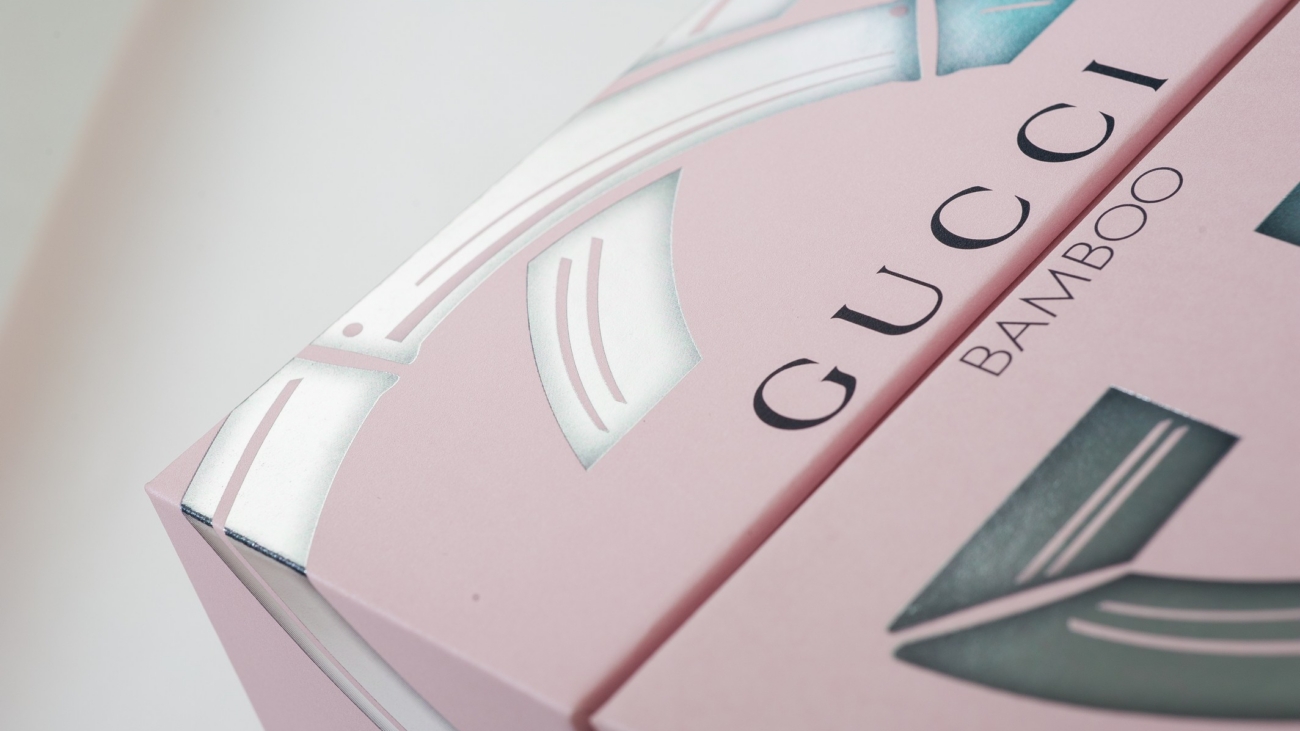
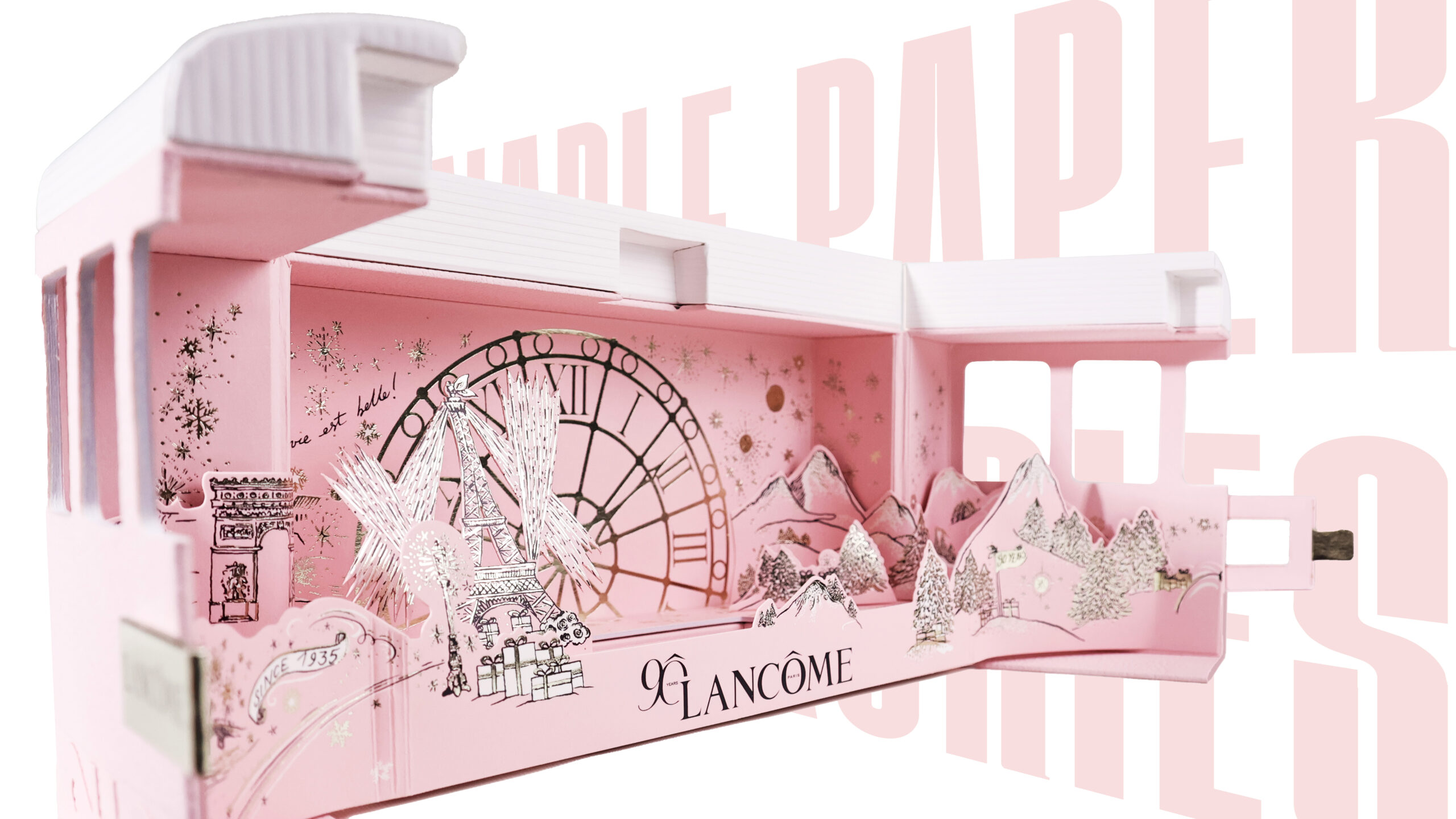
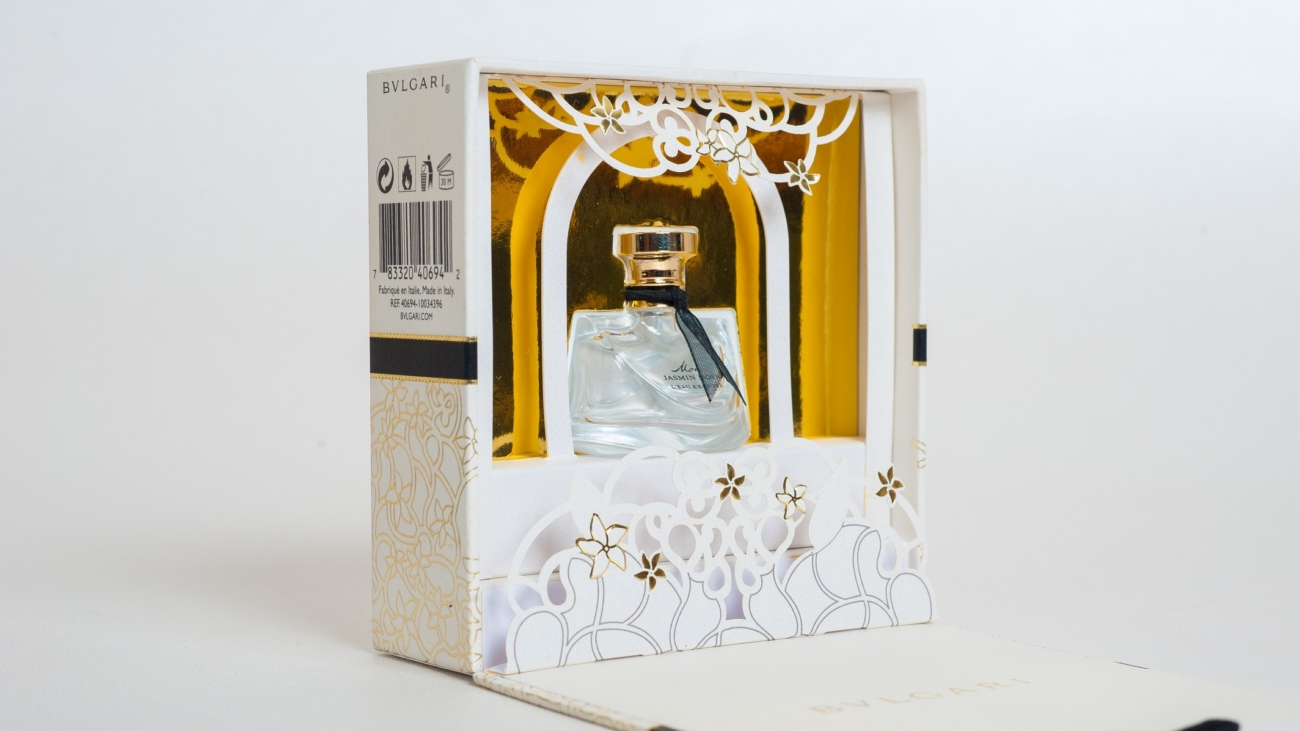


 4. The Ritual of Unboxing: A Chronological Sensory Journey


 The Rise of Emotional Packaging in Beauty Retail
 One-to-One Packaging for Hero Products and New Releases


 Box Structure Significantly Influences Manufacturing Complexity


