
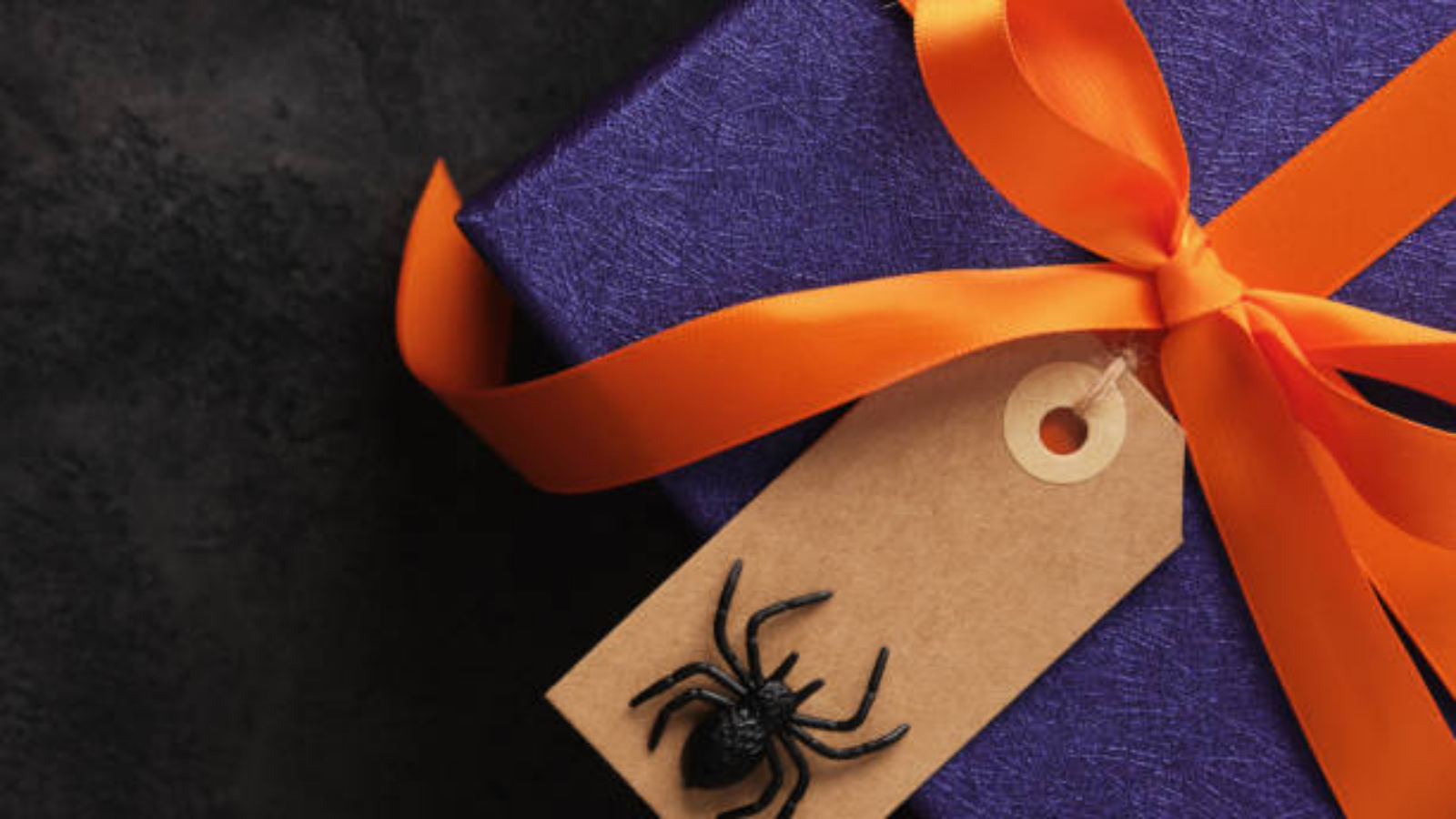
Halloween Luxury Rigid Box Finishing: Hot Foil Stamping vs. Deep Embossing
For premium confectionery, cosmetics, jewelry, and spirits brands, Halloween packaging is an opportunity to create a distinctive seasonal unboxing experience. A luxury rigid box must do more than protect the product. Its surface finishes should communicate brand value, attract attention, and create a memorable tactile impression.
When developing custom Halloween rigid boxes, packaging buyers often face a key decision: should they invest in hot foil stamping for metallic highlights or deep embossing for three-dimensional texture?
Both techniques can enhance premium packaging, but they serve different purposes. Hot foil stamping creates reflective visual accents, while embossing and debossing add physical depth. Soft-touch matte lamination and spot UV can further enhance the contrast between these finishes.
The most effective Halloween luxury rigid box finishing strategy combines these techniques selectively. By establishing a clear finishing hierarchy, brands can balance visual impact, tactile appeal, production complexity, and packaging costs.
1. Start with the Base: Soft-Touch Matte Lamination
Before choosing decorative accents, define the base surface of your luxury rigid box. The base finish influences the overall appearance and how additional finishing techniques interact with the packaging design.
Soft-touch matte lamination is a popular option for premium seasonal packaging. It creates a smooth, velvety feel and reduces surface glare, making it suitable for dark and dramatic Halloween color palettes.
Common design directions include:
- Midnight black: A sophisticated background for metallic gold foil and glossy spiderweb graphics.
- Dark plum: A rich seasonal color for premium cosmetics and confectionery gift boxes.
- Gothic burgundy: A dramatic base for luxury spirits and limited-edition gift packaging.
- Deep charcoal: A restrained, modern background for minimalist branding and subtle embossing.
Why Choose Soft-Touch Matte Instead of Standard Matte?
Standard matte lamination reduces glare and produces a subdued surface appearance. Soft-touch lamination adds a distinctive tactile quality that can make the packaging feel more refined.
For luxury rigid boxes, the main advantages include:
- Tactile differentiation: A velvety surface creates a noticeable contrast with smooth foil and raised UV details.
- Reduced glare: The matte appearance helps metallic accents and selected graphics stand out.
- Design versatility: Dark colors pair well with copper, gold, silver, and clear gloss effects.
- Layered visual contrast: Combining matte and reflective surfaces creates depth without requiring complex full-surface decoration.
However, soft-touch finishes are not automatically fingerprint-proof or scratch-proof. Performance varies by film, coating, ink system, and handling conditions. Request physical samples and evaluate scuff resistance, fingerprint visibility, and compatibility with other finishing processes before approving bulk production.
2. Deep Embossing vs. Hot Foil Stamping: What Is the Difference?
Hot foil stamping and deep embossing both enhance luxury rigid boxes, but they create different visual and tactile effects.
2.1 Hot Foil Stamping: Create a Reflective Focal Point
Hot foil stamping transfers a decorative foil onto the packaging surface using a heated die and controlled pressure. Depending on the selected foil, the result can be metallic, pigmented, holographic, or otherwise reflective.
For Halloween luxury packaging, foil stamping works particularly well for:
- Brand logos and monograms
- Product names and limited-edition titles
- Thin decorative borders
- Metallic spiderweb outlines
- Small ornamental symbols and gothic lettering
Gold foil can create a classic luxury appearance, while antique copper offers a warmer, vintage-inspired effect. Silver and holographic foils can support more contemporary or theatrical Halloween designs.
The primary advantage of hot foil stamping is visibility. Reflective details can catch ambient light and help key design elements stand out on a retail shelf.
However, foil stamping typically requires dedicated tooling, and costs depend on the stamped area, die complexity, foil type, setup requirements, and order quantity. Large solid foil areas and intricate patterns may require additional testing to achieve consistent results.
2.2 Deep Embossing and Debossing: Add Three-Dimensional Texture
Embossing raises selected areas of the packaging surface, while debossing presses them inward. Both techniques create physical depth that customers can experience when handling the box.
For Halloween packaging, these techniques work well for:
- Gothic vine patterns
- Intricate spiderweb textures
- Decorative emblems and frames
- Subtle brand marks
- Repeating ornamental backgrounds
Deep embossing can create a more pronounced raised effect, while blind embossing produces texture without adding a separate ink or foil color. Debossing offers the opposite visual direction by creating recessed details.
Embossing is especially useful when a design needs tactile depth without relying entirely on reflective decoration.
The final result depends on the paper wrap, board construction, die design, pressure, and detail size. Very fine lines or deep relief may require prototype testing to avoid distorted graphics, damaged wrapping paper, or inconsistent impressions.
Which Technique Should You Choose?
| Evaluation factor | Hot foil stamping | Deep embossing or debossing |
|---|---|---|
| Primary effect | Reflective visual highlight | Raised or recessed texture |
| Best design elements | Logos, titles, borders, focal graphics | Vines, webs, emblems, decorative patterns |
| Shelf visibility | Strong when light reflects from the foil | More dependent on lighting and shadows |
| Tactile experience | Depends on the foil and surface construction | Stronger emphasis on physical depth |
| Tooling requirements | Foil stamping die | Embossing or debossing die |
| Main cost considerations | Die, foil consumption, stamped area, setup | Die complexity, relief depth, setup, production tolerances |
| Best role in a layered design | Primary focal point | Secondary texture or tactile brand detail |
Packaging recommendation: If the budget allows only one premium accent, choose hot foil stamping when brand visibility is the priority. Choose embossing or debossing when tactile depth and understated elegance matter more.
For many luxury Halloween rigid boxes, a restrained combination of foil-stamped branding and subtle background texture offers a balanced result.
3. How Spot UV Enhances Halloween Luxury Rigid Boxes
Spot UV applies a localized UV-cured coating to selected areas of the packaging design. It creates a glossy contrast against matte or soft-touch surfaces and can be used for decorative details without applying foil across the same area.
For example, a black rigid box could feature a soft-touch matte exterior with clear glossy spiderwebs. The web pattern becomes visible through changes in reflection rather than through a different printed color.
Other applications include:
- Glossy moon and star motifs
- Clear highlights on gothic illustrations
- Selective gloss on product names
- Small decorative borders
- Raised high-build UV accents, where the coating system supports the required relief
Spot UV can be a practical option for adding visual contrast, but its actual cost depends on coating coverage, artwork complexity, setup, and whether a raised effect is required.
Compatibility with soft-touch lamination should also be confirmed with the packaging supplier. Adhesion, curing, abrasion resistance, and surface performance depend on the materials and process combination.
For packaging intended for international shipping or extended warehouse storage, request a finished sample and conduct appropriate handling and rub tests before mass production.
4. Luxury Rigid Box Finishing Comparison for Halloween Packaging
Selecting a finishing process becomes easier when each technique has a defined role in the overall packaging design.
| Finishing technique | Visual and tactile effect | Recommended application | Cost considerations | Suitable design direction |
|---|---|---|---|---|
| Soft-touch matte lamination | Velvety feel with reduced glare | Base finish across exterior panels | Base material and finishing cost | Midnight black, dark plum, burgundy |
| Hot foil stamping | Reflective metallic or specialty finish | Logo, product name, focal border | Die, foil type, coverage, setup | Antique copper, gold, silver |
| Deep embossing | Pronounced raised details | Brand emblems and ornamental motifs | Die complexity, depth, material response | Gothic vines, raised symbols |
| Debossing | Recessed surface details | Minimalist logos and subtle patterns | Die, setup, pressure, detail complexity | Understated luxury and heritage designs |
| Spot UV | Glossy contrast against matte surfaces | Spiderwebs, moon motifs, selected graphics | Coating coverage, setup, effect requirements | Clear gloss over matte black |
No single finishing method is universally the most cost-effective. The best choice depends on the packaging design, order quantity, desired effect, material compatibility, and production requirements.
5. A Budget-Smart Finishing Hierarchy for Halloween Rigid Boxes
One common mistake in luxury packaging development is adding too many finishing techniques to the same box. Full-surface foil, deep embossing, soft-touch lamination, and multiple UV effects may increase complexity without improving the design proportionally.
A more practical approach is to assign each finishing process a specific role.
Tier 1: Base Surface — Establish the Overall Look
Use soft-touch matte lamination or another suitable matte finish to define the primary surface.
This layer establishes the packaging’s color, tactile character, and overall visual tone. For Halloween gift boxes, dark colors provide a versatile foundation for metallic and glossy accents.
Tier 2: Primary Focal Point — Highlight the Brand
Apply hot foil stamping to the logo, product name, or one major decorative element.
As a preliminary design guideline, a small focal area—sometimes less than 10% of the visible panel—may be sufficient to create a strong metallic effect. This is a design heuristic rather than an industry standard; the appropriate coverage depends on artwork, panel size, and brand identity.
Concentrating foil on key elements can help control material use and maintain a clean visual hierarchy.
Tier 3: Secondary Texture — Add Selective Detail
Use spot UV, blind embossing, or debossing for secondary motifs such as spiderwebs, gothic vines, or ornamental frames.
A limited texture area can create visual interest without competing with the main logo. For initial design exploration, brands may test patterns covering less than 25% of the visible panel, then adjust coverage according to the desired effect.
These percentages are starting points for design discussions, not fixed production limits.
Example: Three Halloween Packaging Directions
Option A: Minimalist Luxury
- Soft-touch matte black exterior
- Antique gold foil logo
- No additional texture
Best for premium spirits, limited-edition confectionery, and understated gift packaging.
Option B: Tactile Gothic Design
- Dark burgundy matte exterior
- Blind-embossed vine pattern
- Small foil-stamped brand emblem
Best for luxury cosmetics, fragrance sets, and heritage-inspired seasonal collections.
Option C: High-Contrast Halloween Design
- Midnight black soft-touch exterior
- Metallic foil logo
- Clear glossy spiderwebs created with spot UV
Best for theatrical seasonal gifting and packaging that combines dark graphics with reflective details.
Before selecting a final direction, compare physical samples under retail lighting and normal indoor lighting. Evaluate both the appearance at a distance and the tactile effect when the box is held.
6. How Finishing Choices Affect Packaging Cost and Production Quality
Finishing costs cannot be evaluated by technique alone. The total quotation may include tooling, material consumption, machine setup, labor, inspection, and production yield.
Consider these factors when comparing supplier quotations:
- Order quantity: Tooling and setup costs are distributed differently across small and large production runs.
- Artwork complexity: Fine lines, intricate patterns, and large decorated areas can increase setup difficulty and defect risk.
- Die requirements: Foil stamping and embossing usually require dedicated tooling, with cost depending on size, detail, and material.
- Surface compatibility: Lamination, inks, foil, and UV coatings must work together to achieve the intended appearance.
- Quality tolerances: Metallic registration, embossing depth, coating coverage, and surface defects should have agreed acceptance criteria.
- Packaging structure: Rigid board thickness, wrapping paper, edges, and box construction can affect how finishing details reproduce.
- Shipping and handling: Finished packaging should be tested for relevant scuffing, rubbing, and handling risks.
For procurement teams, the goal is not simply to select the cheapest finish. It is to achieve the required visual and tactile effect with predictable production quality and an acceptable total cost.
Request a quotation that separates tooling, finishing processes, material costs, and any sample-development charges. This makes it easier to compare alternative specifications.
7. Pre-Production Checklist for Custom Halloween Rigid Boxes
Before approving a production run, use the following checklist to confirm the finishing specification.
-
Confirm the rigid box structure, dimensions, and wrapping paper.
-
Approve the base finish, including matte or soft-touch lamination.
-
Specify foil color, artwork, stamping area, and registration tolerances.
-
Define embossing or debossing depth and confirm fine-detail feasibility.
-
Confirm spot UV coverage, gloss level, and compatibility with the base surface.
-
Review a physical finished sample under different lighting conditions.
-
Evaluate fingerprint visibility, scuffing, adhesion, and handling performance as applicable.
-
Confirm approved color references, quality criteria, and acceptable defect limits.
-
Review the final quotation, tooling charges, production lead time, and shipping schedule.
A complete pre-production review helps align design expectations with the supplier’s actual manufacturing capabilities.
Conclusion: Choose Luxury Rigid Box Finishes with a Clear Design Hierarchy
The most effective Halloween luxury rigid box finishing strategy balances visual impact, tactile quality, and production cost.
Soft-touch matte lamination establishes the base surface. Hot foil stamping highlights the brand and other focal elements. Spot UV, embossing, and debossing introduce selective contrast and texture.
Rather than applying every available finish, define a clear priority for each technique and validate the combination through physical samples. This approach helps packaging buyers develop distinctive seasonal gift boxes while managing tooling costs, production complexity, and quality expectations.
Develop Your Custom Halloween Rigid Box
For brands planning seasonal gift packaging, a custom rigid box can combine tailored dimensions, specialty wrapping papers, custom inserts, and carefully selected surface finishes.
Share your design artwork, target order quantity, preferred materials, and finishing requirements with a qualified packaging supplier to evaluate suitable options, sampling requirements, and production costs before committing to bulk manufacturing. 👉IJEN
