
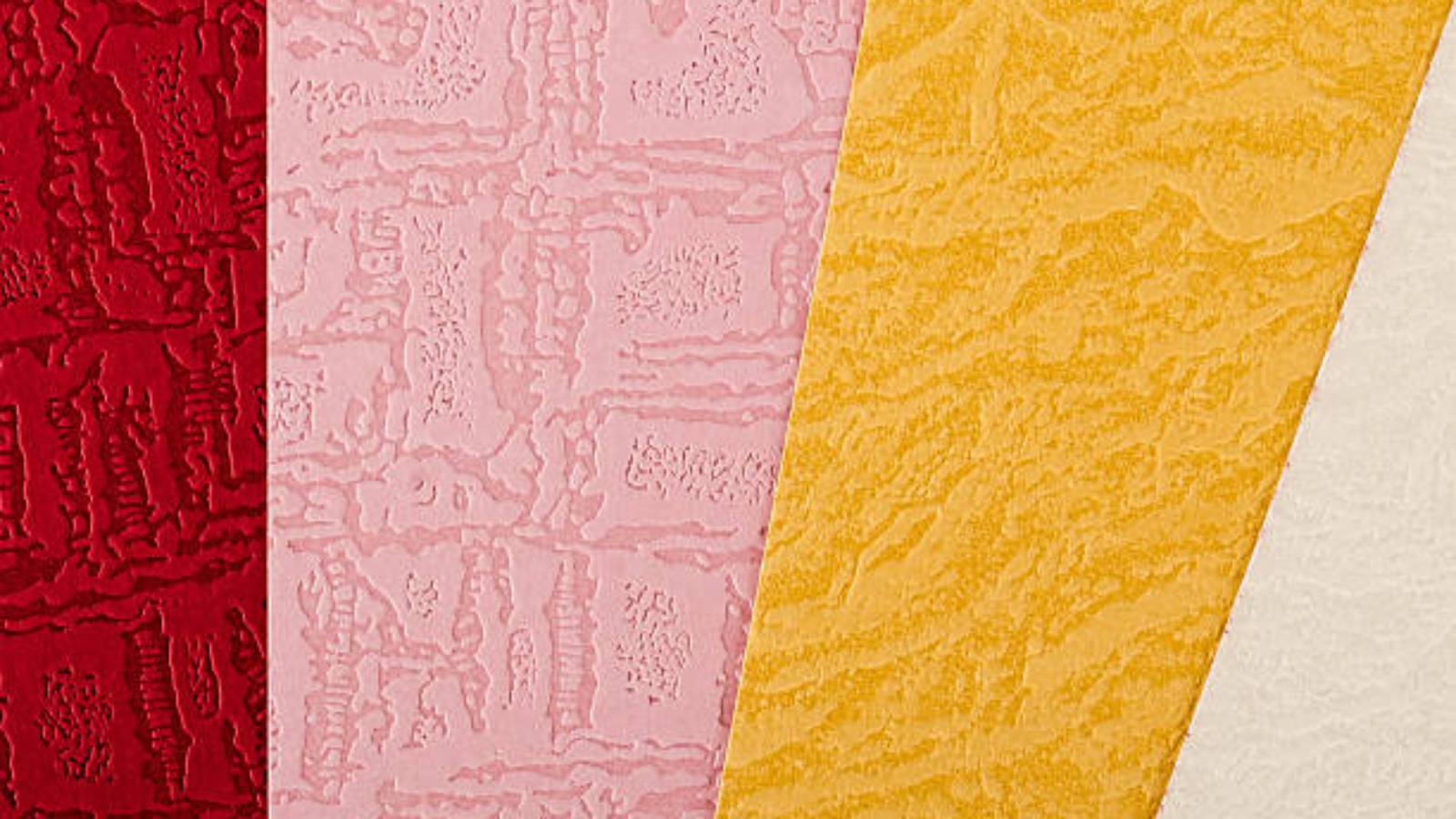
Luxury packaging is not defined by appearance alone. The material’s texture, structure, and finishing quality all influence how customers perceive a product. Embossed paper for packaging helps brands create distinctive tactile experiences through raised patterns and refined surface details. It is widely used for premium gift boxes, cosmetic packaging, jewelry boxes, fragrance boxes, and other high-end rigid packaging.
However, selecting embossed paper involves more than choosing an attractive pattern. A paper that looks elegant on a flat sheet may crack when wrapped around a rigid box corner. Deep textures may also affect printing registration, ink transfer, and foil stamping quality.
For packaging manufacturers and brand buyers, understanding paper structure, embossing depth, grammage, and finishing compatibility is essential. This guide explains the main embossed paper textures, how to prevent edge cracking, and what to check when sourcing materials for custom luxury rigid boxes.
1. Elevating Tactile Luxury: Why Embossed Paper Drives Brand Perception
Packaging is often the first physical interaction between a customer and a product. Before opening a box, customers can see and feel its exterior surface. Embossed paper creates a distinctive tactile impression that standard smooth paper may not provide.
1.1 How Embossed Paper Creates a Premium Experience
Embossing is a finishing process that creates raised or recessed patterns on a paper surface. It typically uses engraved rollers or matched dies to apply controlled pressure.
The resulting texture can create several visual and tactile effects:
- Depth: Raised patterns create subtle shadows and surface variation.
- Tactile contrast: Customers can feel the difference between smooth and textured areas.
- Visual identity: Distinctive patterns help packaging stand out on shelves.
- Material character: Linen, leather, and woodgrain textures can communicate different brand styles.
- Finishing opportunities: Embossed surfaces can be combined with foil stamping, printing, or other decorative processes.
For luxury brands, these details can support a more recognizable packaging identity. However, embossing alone does not guarantee a premium result. Paper quality, color consistency, box construction, and finishing precision must work together.
1.2 Where Is Embossed Paper Used in Luxury Packaging?
Embossed paper is suitable for various packaging applications.
| Application | Common Texture Choices | Design Objective |
|---|---|---|
| Cosmetic rigid boxes | Fine linen, micro-geometric | Elegant and refined appearance |
| Perfume boxes | Leatherette, subtle geometric | Sophisticated surface detail |
| Jewelry boxes | Fine grain, delicate linen | Understated luxury |
| Premium gift boxes | Woodgrain, fabric texture | Distinctive tactile presentation |
| Watch boxes | Leatherette, micro-texture | Premium and structured appearance |
| Corporate gift packaging | Linen, custom patterns | Consistent brand presentation |
The final selection should reflect the product category, target market, brand identity, and packaging construction.
1.3 Embossed Paper vs. Smooth Coated Paper
Embossed paper and smooth coated paper create different packaging experiences.
| Comparison | Embossed Paper | Smooth Coated Paper |
|---|---|---|
| Surface | Raised or recessed texture | Relatively smooth |
| Tactile experience | Stronger surface character | Smooth and consistent |
| Visual effect | Pattern-based depth | Suitable for detailed graphics |
| Printing | Depends on texture and coating | Often better for fine printed details |
| Foil stamping | Requires texture-compatible settings | Generally easier to control |
| Brand positioning | Tactile and material-focused | Graphic and color-focused |
Neither material is universally better. Brands should select based on the balance between visual design, tactile experience, and manufacturing requirements.
2. Popular Embossing Textures: Linen, Leatherette, Woodgrain, and Micro-Geometric
Texture selection influences how customers interpret a brand. Different embossing patterns create different visual styles, even when the paper color and grammage remain the same.
2.1 Linen Embossed Paper
Linen embossed paper features a woven-like surface pattern. Its intersecting lines create a fabric-inspired appearance.
Typical characteristics:
- Fine crosshatched texture.
- Subtle tactile depth.
- Classic and understated appearance.
- Suitable for minimalist and premium packaging.
Linen textures work well for cosmetic boxes, stationery packaging, gift boxes, and corporate presentation boxes.
Fine linen patterns are often easier to combine with simple typography and restrained decorative elements. However, the actual print and foil results still depend on the texture depth and surface characteristics.
2.2 Leatherette Embossed Paper
Leatherette embossed paper imitates the surface appearance of leather. It may feature fine grain, irregular pores, or more pronounced patterns.
Typical characteristics:
- Leather-inspired surface detail.
- Strong tactile identity.
- Suitable for premium and heritage-style designs.
- Available in different grain sizes and depths.
This texture is frequently considered for watch boxes, jewelry packaging, fragrance boxes, and luxury gift boxes.
When selecting leatherette paper, buyers should inspect the pattern under different lighting conditions. Deep and irregular grain can create attractive shadows, but it may also make small printed details and fine foil lines less consistent.
2.3 Woodgrain Embossed Paper
Woodgrain embossed paper reproduces the visual effect of natural wood fibers and grain patterns.
Typical characteristics:
- Linear or irregular grain patterns.
- Natural and warm appearance.
- Suitable for organic or artisanal brand positioning.
- Can complement earthy colors and minimalist graphics.
Woodgrain textures are commonly considered for specialty gift packaging, premium food boxes, lifestyle products, and natural skincare packaging.
The direction of the woodgrain pattern should be considered during box layout. A consistent grain direction across the box can create a more coordinated appearance.
2.4 Micro-Geometric Embossed Paper
Micro-geometric embossed paper uses small repeated patterns, such as dots, diamonds, grids, or fine lines.
Typical characteristics:
- Repetitive and controlled patterns.
- Modern visual appearance.
- Subtle surface variation.
- Suitable for contemporary luxury branding.
Micro-geometric patterns can work well for electronics packaging, premium accessories, cosmetic boxes, and modern gift packaging.
Because the patterns are small, buyers should inspect the actual embossed sheet rather than relying only on digital samples.
2.5 How to Choose the Right Embossing Texture
The most suitable texture depends on brand positioning and finishing requirements.
| Texture | Visual Style | Suitable Packaging | Important Consideration |
|---|---|---|---|
| Linen | Classic and refined | Cosmetics, gift boxes | Pattern direction and print clarity |
| Leatherette | Rich and sophisticated | Watches, jewelry, fragrance | Texture depth and foil contact |
| Woodgrain | Natural and warm | Lifestyle, specialty gifts | Grain direction and color |
| Micro-geometric | Modern and precise | Electronics, accessories | Pattern uniformity and fine details |
For custom rigid boxes, request physical samples with the intended paper color and texture. Digital images cannot fully communicate embossing depth or tactile quality.
3. Engineering Folding Durability: Preventing Edge Cracking on Rigid Boxes
Edge cracking is a common concern when embossed paper is wrapped around rigid box structures. It becomes especially noticeable at sharp corners, where the paper must bend and stretch over a relatively small area.
This defect may expose the lighter paper base beneath the surface, creating visible white lines known as edge cracking or cracking on folds.
3.1 Why Does Embossed Paper Crack at Rigid Box Corners?
Several factors can contribute to cracking during rigid box wrapping.
1. Paper fiber structure
Paper is made from interconnected fibers. During folding and wrapping, these fibers experience tension and compression. Paper with insufficient folding performance may crack when subjected to excessive stress.
2. Excessive embossing depth
Embossing changes the surface structure of paper. Deep patterns may create areas with different thicknesses and local stress concentrations.
When the paper bends around a rigid corner, these areas may become more vulnerable to surface damage.
3. Incorrect paper moisture content
Paper moisture affects flexibility and dimensional stability. Material that is too dry may become more brittle, while excessive moisture can cause dimensional changes and other processing problems.
4. Sharp rigid box corners
A very sharp corner creates a concentrated bending area. The outer paper surface experiences tension as it wraps around the board.
5. Incorrect grain direction
Paper behaves differently along and across its grain direction. Folding performance can vary depending on the direction of the paper fibers and the orientation of the fold.
6. Unsuitable coating or surface treatment
Some coatings, laminations, and surface finishes may reduce flexibility or crack when bent sharply. The compatibility of the complete material structure should be tested.
3.2 How to Reduce Edge Cracking in Embossed Paper
Preventing cracking requires coordination between paper selection, box structure, and production settings.
Choose Paper with Suitable Folding Performance
Do not select paper based on appearance alone.
Ask the paper supplier for information about:
- Fiber composition.
- Paper formation and strength.
- Folding endurance or relevant fold test results.
- Surface coating and treatment.
- Moisture content.
- Recommended processing applications.
Longer fibers can contribute to paper strength, but fiber length alone does not guarantee crack-free folding. Fiber bonding, paper formation, thickness, coating, and embossing also influence performance.
Control Embossing Depth
A deeper texture may create a stronger tactile effect, but it can also increase the risk of damage during wrapping.
For rigid boxes with sharp corners, consider:
- Moderate embossing depth.
- Consistent pattern depth.
- Suitable paper thickness.
- Sufficient flexibility for the intended wrapping process.
The best balance should be confirmed through physical wrapping trials.
Optimize Paper Grain Direction
Grain direction should be considered when arranging the wrapping paper.
For critical folds, compare samples with different grain orientations. The preferred direction depends on the box layout, folding geometry, and paper construction.
A trial using the actual box dimensions can reveal problems that may not appear in a flat paper sample.
Review the Rigid Board and Corner Design
Paper performance is only one part of the problem.
Also inspect:
- Rigid board thickness.
- Corner sharpness.
- Board cutting accuracy.
- Wrapping allowance.
- Adhesive application.
- Wrapping tension.
- Pressing and forming conditions.
Where the design permits, adjusting the corner geometry or wrapping process may reduce stress on the paper surface.
3.3 Why Physical Wrapping Tests Matter
A paper sample that passes a flat-sheet inspection may still fail during actual box production.
Before mass production, test the complete material combination:
- Select the proposed embossed paper.
- Use the intended rigid board thickness.
- Apply the planned adhesive.
- Wrap the actual box structure.
- Inspect all corners and edges.
- Check for exposed fibers, whitening, wrinkles, and delamination.
- Repeat the test under representative production conditions.
This process helps identify whether the problem comes from the paper, embossing, board geometry, or wrapping settings.
4. Paper Weight (GSM) Optimization for Wrapping vs. Folding Cartons
Paper grammage is commonly expressed in GSM, meaning grams per square meter. It is an important selection factor for packaging because it influences paper weight, handling, stiffness, and processing behavior.
However, GSM should not be treated as a direct measure of folding durability or final box strength.
4.1 Embossed Paper for Rigid Box Wrapping
Rigid boxes usually consist of thick paperboard wrapped with decorative paper.
The outer wrapping paper provides color, texture, and surface protection. It must also bend around the board edges without excessive cracking or wrinkling.
A range of approximately 110–150 GSM is a useful starting point for evaluating certain rigid box wrapping papers.
The final choice depends on:
- Paper fiber composition.
- Embossing depth.
- Surface coating.
- Rigid board thickness.
- Box dimensions.
- Corner structure.
- Wrapping method.
- Adhesive and production conditions.
Lighter paper may offer better flexibility in some constructions. Heavier paper may provide a more substantial surface but can be harder to wrap around tight corners.
Neither option is automatically superior.
4.2 Embossed Paper for Folding Cartons
Folding cartons generally use thicker paperboard that forms the structural body of the package.
A range of approximately 250–350 GSM may be considered for certain folding carton applications. However, the appropriate grammage depends on the board grade, product weight, box dimensions, and structural design.
Unlike rigid box wrapping paper, folding carton material must provide sufficient stiffness and maintain its shape after creasing and folding.
Important factors include:
- Board thickness.
- Bending stiffness.
- Grain direction.
- Crease design.
- Die-cutting accuracy.
- Surface coating.
- Printing and finishing requirements.
For folding cartons, buyers should evaluate the complete board specification rather than GSM alone.
4.3 Rigid Box Wrapping Paper vs. Folding Carton Board
| Comparison | Rigid Box Wrapping Paper | Folding Carton Board |
|---|---|---|
| Typical reference range | 110–150 GSM | 250–350 GSM |
| Main function | Decorative surface covering | Structural packaging material |
| Supporting structure | Rigid paperboard | The board itself |
| Key requirement | Flexibility and surface appearance | Stiffness and fold performance |
| Main processing concern | Edge cracking and wrapping quality | Creasing and fold cracking |
| Common applications | Luxury gift boxes, jewelry boxes | Retail cartons, product boxes |
These ranges are starting points for material discussions, not universal specifications. Some luxury packaging uses constructions outside these ranges.
4.4 How to Select the Right GSM for Custom Luxury Packaging
Before confirming the paper grammage, evaluate the following:
Box structure: A large rigid box may require a different wrapping paper and board combination from a small jewelry box.
Embossing depth: Deep textures can affect the paper’s forming and finishing performance.
Printing requirements: Fine graphics and small text may require a more suitable surface.
Foil stamping: The paper must provide an appropriate contact surface for the selected foil and stamping process.
Production method: Manual wrapping and automated wrapping may have different material requirements.
Product protection: The structural board, inserts, and internal supports must protect the packaged product.
The best GSM is the one that performs reliably in the complete packaging structure.
5. Printing and Foil Stamping on Embossed Paper: Avoiding Finishing Defects
Embossed paper creates visual depth, but its uneven surface can complicate later finishing operations.
Printing and foil stamping require appropriate contact between the paper and the printing or stamping components. Deep embossing can make this contact less uniform.
5.1 Why Can Deep Embossing Affect Printing Quality?
On heavily textured paper, ink may not transfer evenly across raised and recessed areas.
Possible problems include:
- Missing ink in recessed areas.
- Uneven solid color coverage.
- Reduced detail in small text.
- Inconsistent printed lines.
- Changes in appearance across different sheet positions.
The severity depends on the embossing pattern, paper surface, ink system, printing method, and design.
For detailed graphics, consider using a smoother printing area or reserving heavily embossed areas for simpler visual elements.
5.2 How to Improve Foil Stamping on Embossed Paper
Foil stamping applies heat and pressure to transfer a decorative foil layer onto a substrate.
On embossed paper, the uneven surface may prevent consistent contact between the stamping die and the paper.
Potential defects include:
- Broken foil lines.
- Missing foil in recessed areas.
- Incomplete transfer.
- Uneven metallic coverage.
- Poor adhesion.
To improve results, packaging manufacturers should evaluate:
- Foil type and compatibility with the paper surface.
- Embossing depth and pattern geometry.
- Stamping die quality and condition.
- Temperature and pressure settings.
- Stamping time and production speed.
- Artwork line width and detail.
- Actual production sample performance.
For fine logos and small typography, a less deeply embossed area may provide more reliable results.
5.3 Should Embossing Be Applied Before or After Printing?
The production sequence depends on the material and finishing design.
Some papers are embossed before printing, while other projects may require printing before additional surface treatments.
There is no universal sequence for all embossed paper.
The packaging supplier should test the complete process, including printing, embossing, foil stamping, coating, and lamination where applicable.
A production trial is particularly important when combining deep embossing with fine graphics or detailed metallic elements.
6. B2B Sourcing Checklist: Consistency, Die Quality, and Minimum Order Quantities
For packaging brands and manufacturers, sourcing embossed paper involves more than checking a sample sheet. Large-scale production requires consistent color, texture, grammage, and finishing performance.
A structured sourcing process helps reduce material variation and production risks.
6.1 Check Embossing Pattern and Roller Quality
The embossing roller or die determines the pattern transferred to the paper surface.
Buyers should evaluate:
- Pattern definition.
- Texture depth.
- Pattern alignment.
- Repeated pattern consistency.
- Roller or die surface condition.
- Variation between different production batches.
A good embossed paper sample should show a consistent texture across the sheet.
For large-volume orders, request samples from representative production batches rather than relying only on a showroom sample.
6.2 Verify Color and Batch Consistency
Color variation can become noticeable when packaging components are produced in different batches.
This is especially important for brands that use the same packaging material across multiple product lines.
Ask suppliers to confirm:
- Color references and approved samples.
- Production batch identification.
- Color tolerance and inspection method.
- Storage conditions.
- Procedures for repeat orders.
For custom colors, define an approved physical sample before mass production.
6.3 Confirm Printing and Finishing Compatibility
A paper that looks attractive may not work well with every finishing process.
Before ordering, confirm whether the material supports the intended:
- Offset printing.
- Screen printing.
- Digital printing.
- Hot foil stamping.
- Embossing and debossing.
- Lamination or coating.
- Spot decorative finishes.
Request a production trial when several processes will be combined.
6.4 Understand MOQ, Lead Time, and Customization
Minimum order quantity (MOQ) varies by paper supplier, texture, color, grammage, and customization requirements.
Standard stocked embossed paper may have different order requirements from custom colors or specially developed patterns.
Buyers should clarify:
| Procurement Item | Questions to Ask |
|---|---|
| MOQ | Is the MOQ based on sheets, rolls, or total order weight? |
| GSM | Which grammages are available? |
| Texture | Are standard patterns or custom embossing patterns offered? |
| Color | Are stock colors available? Can custom colors be developed? |
| Sampling | Can the supplier provide physical samples? |
| Finishing | Has the paper been tested for printing and foil stamping? |
| Consistency | How are texture and color variations controlled? |
| Lead time | What are the sampling and mass production lead times? |
| Repeat orders | Can the supplier retain the approved specifications? |
Do not assume that every supplier offers the same MOQ or customization options. Confirm these details before finalizing the packaging design.
6.5 A Practical Checklist Before Mass Production
Use the following checklist when evaluating embossed paper for luxury packaging:
-
Confirm the paper type and fiber composition.
-
Verify grammage and thickness.
-
Inspect embossing pattern and depth.
-
Check color consistency across samples.
-
Test folding and wrapping around actual box corners.
-
Confirm grain direction.
-
Test printing and foil stamping.
-
Check adhesive compatibility.
-
Review the complete box structure.
-
Approve a production-representative sample.
-
Confirm MOQ, lead time, and repeat-order specifications.
7. Frequently Asked Questions About Embossed Paper for Packaging
Q1: What is embossed paper used for in luxury packaging?
Embossed paper is used to create textured surfaces on luxury rigid boxes, gift boxes, cosmetic packaging, perfume boxes, jewelry boxes, and premium product packaging. It adds tactile detail and supports distinctive brand presentation.
Q2: What is the best GSM for embossed paper used on rigid boxes?
A range of 110–150 GSM can be a useful starting point for certain rigid box wrapping applications. However, the ideal grammage depends on paper composition, embossing depth, box geometry, and wrapping method.
Q3: Why does embossed paper crack at rigid box corners?
Cracking may result from excessive bending stress, unsuitable paper structure, low moisture content, deep embossing, incorrect grain direction, or sharp board corners. Physical wrapping tests help identify the main cause.
Q4: How can manufacturers prevent edge cracking on embossed paper?
Select paper with suitable folding performance, control embossing depth, optimize grain direction, and review the box corner design. Test the actual paper and rigid board combination before mass production.
Q5: Can embossed paper be used for hot foil stamping?
Yes, but the result depends on the paper texture, foil type, die design, and stamping conditions. Deep textures may create incomplete foil transfer, especially with fine lines and small details.
Q6: Does embossed paper affect printing quality?
It can. Raised and recessed areas may cause uneven ink transfer, particularly with detailed graphics or solid coverage. A printing trial helps confirm whether the selected paper suits the artwork.
Q7: What is the difference between embossed paper and textured paper?
Embossed paper has a surface pattern created through a mechanical embossing process. Textured paper is a broader category that may include mechanically embossed, naturally formed, or specially finished surfaces.
Q8: What should buyers check when sourcing embossed paper in bulk?
Check grammage, texture consistency, color variation, folding performance, printing compatibility, foil stamping results, MOQ, and repeat-order controls. Always approve a representative physical sample before mass production.
Conclusion: Choose Embossed Paper Based on Both Design and Production Performance
Embossed paper for packaging offers luxury brands more than decorative surface patterns. Linen, leatherette, woodgrain, and micro-geometric textures each create a different tactile and visual identity.
However, successful luxury packaging depends on the relationship between paper structure, embossing depth, grammage, box geometry, and finishing processes. Edge cracking can occur when paper cannot withstand the stress of wrapping around rigid corners. Deep textures can also affect ink transfer and foil stamping consistency.
For B2B buyers, the most reliable approach is to evaluate the complete packaging structure before mass production. Compare physical samples, test actual box corners, verify finishing compatibility, and establish clear quality standards for color and texture consistency.
At IJEN, custom luxury rigid box development should begin with the intended brand presentation and packaging structure. Share your box dimensions, material preferences, and finishing requirements to discuss a suitable custom packaging solution.
