
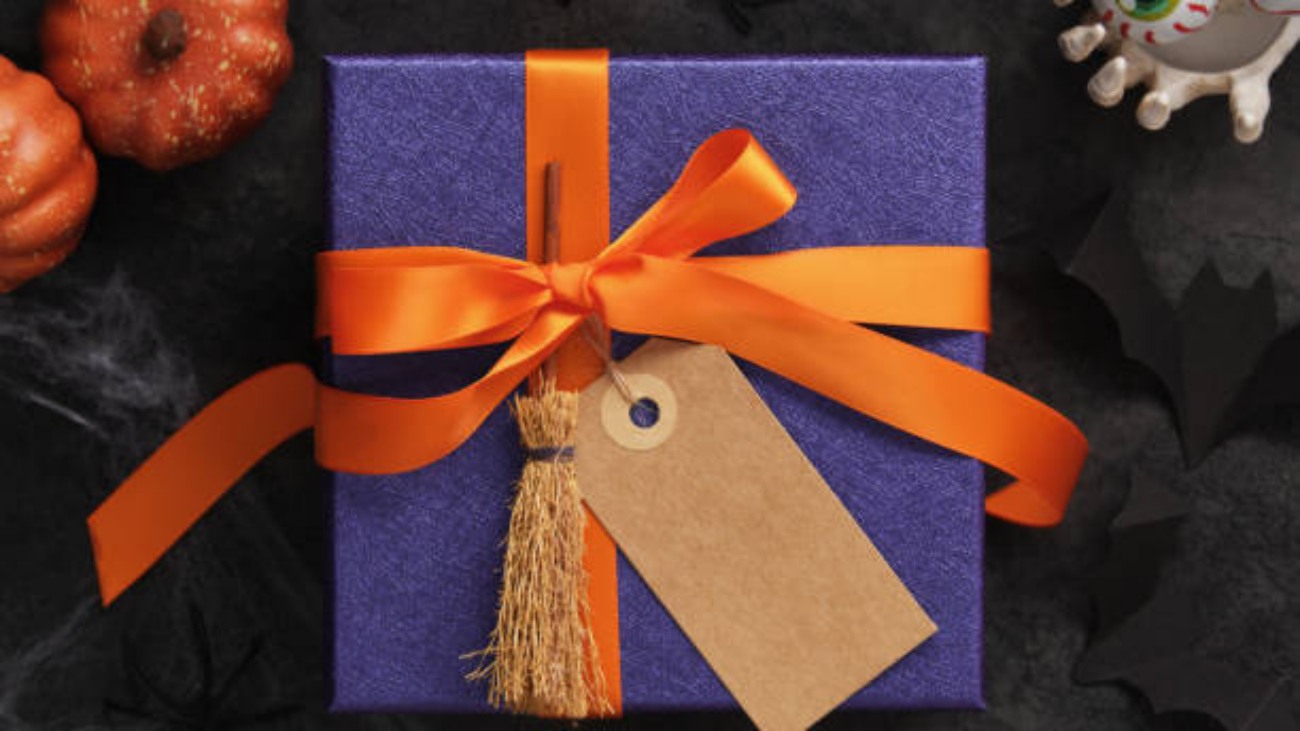
Halloween packaging does not have to rely on bright orange graphics, cartoon pumpkins, or exaggerated horror imagery. For luxury chocolate, fragrance, jewelry, and premium gift brands, the right packaging design can capture the mystery of Halloween while preserving an elegant brand identity.
In 2026, an Elegant Gothic design direction offers a sophisticated approach to seasonal packaging. Deep jewel tones, architectural box shapes, metallic foil details, and tactile surface finishes create a sense of mystery without making premium products look like inexpensive party favors.
For brands preparing limited-edition collections, the challenge is balancing seasonal appeal with long-term brand recognition. Custom rigid box packaging provides an opportunity to achieve this balance through carefully selected materials, refined graphics, protective inserts, and memorable unboxing experiences.
This guide explores how to design luxury Halloween packaging, choose suitable materials and finishes, and develop custom rigid gift boxes for premium seasonal collections.
1. What Is Elegant Gothic Luxury Halloween Packaging?
Elegant Gothic packaging combines dark romanticism, architectural forms, botanical motifs, and refined decorative finishes. Instead of relying on obvious horror imagery, it uses subtle visual contrasts and premium materials to communicate mystery and exclusivity.
For luxury brands, this approach can make Halloween packaging feel like a collectible gift rather than a disposable seasonal container.
Elegant Gothic Color Palette for Luxury Gift Boxes
Color selection establishes the visual direction before customers even open the box.
| Color direction | Packaging application | Visual effect |
|---|---|---|
| Black plum and deep berry | Main box wrap or lid | Rich, dramatic, and sophisticated |
| Soaked violet and dark purple | Seasonal accents and interior panels | Mysterious and romantic |
| Nocturnal black | Box exterior and structural details | Timeless and understated |
| Forest green and muted botanical green | Floral illustrations and decorative patterns | Natural, atmospheric, and distinctive |
| Matte gold and antique bronze | Logos, borders, and foil-stamped motifs | Refined metallic contrast |
Rather than combining every color in one design, brands can select one dominant shade and one or two complementary accents. This helps maintain visual consistency across gift boxes, product labels, and seasonal retail displays.
Metallic hot foil stamping can highlight a logo, botanical illustration, or delicate cobweb pattern. Dark foil and subtle embossing offer alternatives when a brand prefers a more understated finish.
Architectural Box Shapes and Refined Details
The structure of a luxury gift box can communicate quality before the customer sees the product inside.
Popular design directions include:
- Coffin-shaped rigid boxes: Suitable for limited-edition fragrances, themed gift sets, and distinctive seasonal collections.
- Tombstone-inspired boxes: Offer an architectural silhouette for decorative gifts and collectible packaging.
- Magnetic book-style boxes: Provide a clean exterior with space for interior graphics, product compartments, and storytelling.
- Shoulder-and-neck rigid boxes: Create a layered opening experience for premium products and gift presentations.
- Round rigid boxes: Offer an alternative for fragrance, confectionery, and curated gift collections.
Custom shapes should be evaluated alongside product dimensions, packaging protection, storage efficiency, assembly requirements, and shipping costs. A visually distinctive structure works best when it also supports practical packaging needs.
2. How to Design Luxury Halloween Packaging Without Losing Brand Identity
The key to successful luxury Halloween packaging is not simply adding more seasonal decoration. It is selecting materials, graphics, and structural details that reinforce the brand’s existing positioning.
Choose Rigid Box Construction for a Premium Presentation
Rigid boxes use a thick paperboard core wrapped with printed or decorative paper. Compared with many standard folding cartons, they can provide a more substantial feel and support complex shapes and premium finishing options.
For many luxury gift projects, a greyboard thickness of approximately 1.5–3.0 mm can serve as an initial development reference. The appropriate thickness depends on the box dimensions, product weight, structural design, and protection requirements.
Common options include magnetic rigid boxes, shoulder boxes, lift-off-lid boxes, and custom-shaped structures. The final design should balance appearance, durability, manufacturability, and shipping requirements.
Combine Matte Textures With Metallic Finishes
Surface finishing creates contrast between color, texture, and reflected light.
Consider these combinations for custom luxury Halloween boxes:
- Soft-touch matte lamination with gold foil: Creates a restrained metallic highlight against a smooth, dark surface.
- Velvet-textured paper with embossed details: Adds tactile depth for jewelry, fragrance, and collectible gift packaging.
- Spot UV on matte backgrounds: Creates selective gloss on botanical patterns, logos, or decorative linework.
- Embossing and debossing: Adds physical dimension without depending entirely on printed graphics.
- Textured linen or specialty paper: Introduces subtle surface detail while maintaining a sophisticated appearance.
The most effective design usually prioritizes one or two finishing techniques. Combining too many effects can increase production complexity and make the packaging look visually crowded.
Use Seasonal Graphics With Restraint
Luxury brands do not need to remove every Halloween reference. Instead, they can reinterpret familiar motifs through more refined visual language.
For example, a cobweb can become a delicate metallic line pattern. A skull can be replaced with a dark botanical illustration, while traditional Halloween lettering can give way to understated typography and carefully spaced brand marks.
This approach keeps the seasonal theme recognizable without allowing it to overpower the brand identity.
3. How to Choose Inserts for Luxury Halloween Gift Boxes
The interior is as important as the exterior. A well-designed insert protects the product, organizes multiple components, and supports the intended unboxing experience.
The best insert material depends on product fragility, weight, surface sensitivity, presentation requirements, and sustainability goals.
| Insert material | Potential applications | Key considerations |
|---|---|---|
| High-density EVA foam | Fragrance bottles, jewelry cases, delicate accessories | Provides cushioning and precise product positioning; surface covering may improve presentation |
| Velvet-wrapped trays | Jewelry, premium fragrance, collectible gifts | Offers a soft, luxurious appearance; requires careful fit and finishing |
| Paperboard inserts | Gift sets, lightweight products, multi-item packaging | Can support coordinated paper-based packaging designs |
| Molded pulp | Selected gift products and protective packaging | Offers a fiber-based option; shape, strength, surface finish, and product compatibility require evaluation |
| Sponge inserts | Selected lightweight or fragile products | Can provide cushioning; density, appearance, and compatibility should be checked |
Match the Insert to the Product
For luxury chocolates: Use a compartmentalized tray designed around the dimensions and arrangement of each confection. Food-contact suitability must be assessed for any material that directly contacts the product.
For perfume and fragrance: Design cavities around bottle geometry and weight distribution. Check clearance, cushioning, and resistance to movement during transport.
For fine jewelry: Consider fitted compartments with velvet-wrapped surfaces or suitable protective materials to reduce movement and surface contact.
And multi-product gift set: Use a custom insert layout to keep each component organized and create a clear visual hierarchy when the lid opens.
For every application, test the complete packaging assembly. Insert fit, product movement, closure performance, and transport protection should be evaluated before mass production.
4. Standard Halloween Packaging vs. Elegant Gothic Rigid Boxes
The following comparison highlights common differences between mass-market seasonal packaging and a premium rigid box approach.
| Design and manufacturing factor | Standard seasonal packaging | Elegant Gothic luxury rigid box |
|---|---|---|
| Primary structure | Folding paperboard carton | Rigid greyboard construction |
| Color palette | Bright orange, high-contrast graphics | Deep plum, dark violet, black, and muted metallic accents |
| Graphic style | Cartoon pumpkins and prominent horror imagery | Refined botanical motifs, geometric patterns, and subtle seasonal symbols |
| Surface finish | Standard printing and basic coating | Soft-touch finishes, foil stamping, embossing, or spot UV |
| Interior protection | Standard tray or basic insert | Custom-fit EVA, covered trays, paperboard inserts, or suitable molded pulp |
| Opening experience | Conventional tuck-end or simple lid | Magnetic book-style closure, shoulder box, or custom lift-off structure |
| Reusability potential | Often designed for short-term use | Can be designed for storage and continued use after the season |
| Main design objective | Seasonal visibility and cost efficiency | Brand consistency, premium presentation, and gifting appeal |
Neither approach is universally better. The right choice depends on product positioning, target retail price, order volume, protection requirements, and the intended customer experience.
For premium seasonal collections, the additional investment in rigid construction and specialty finishing should be evaluated against the brand’s presentation goals and expected commercial return.
5. How to Plan Custom Luxury Halloween Packaging for Production
A strong concept must also be practical to manufacture. Buyers should review the packaging specification early enough to identify structural, material, and cost issues before production begins.
Step 1: Define the Product and Brand Requirements
Confirm the product dimensions, total weight, fragility, retail presentation, and target price positioning. Decide whether the packaging is intended for a single item, a gift set, or a limited-edition collection.
Step 2: Select the Box Structure and Board Thickness
Choose a suitable rigid box format based on product size, opening style, and protection requirements. Confirm the greyboard thickness with the manufacturer rather than selecting it solely by appearance.
Step 3: Finalize Colors, Artwork, and Finishing
Specify the paper wrap, color references, logo placement, foil color, embossing, and other finishing requirements. Request material swatches or a physical sample when color and texture are important to the brand experience.
Step 4: Develop and Test the Insert
Confirm the insert material, cavity dimensions, product clearance, and retention method. Test the assembled box with the actual product to check fit, closure, and movement during handling.
Step 5: Review the Prototype Before Mass Production
Evaluate structural quality, print accuracy, finish consistency, insert fit, and overall presentation. For products shipped over long distances, consider suitable packaging and transport tests based on the product’s fragility and distribution conditions.
Early specification review can help reduce avoidable revisions, production delays, and packaging defects.
6. Frequently Asked Questions About Luxury Halloween Packaging
Q1: How can luxury brands create Halloween packaging without looking inexpensive?
Focus on refined materials, restrained graphics, and well-executed finishing. Deep colors, rigid box construction, selective foil stamping, embossed patterns, and custom-fit inserts can create a premium appearance without relying on cartoon imagery or excessive decoration.
Q2: What is the difference between Gothic elegance and traditional horror packaging?
Traditional horror packaging often emphasizes shock, exaggerated imagery, and high-contrast colors. Gothic elegance uses architectural forms, dark botanical details, muted metallic finishes, and carefully controlled visual contrast to create a more sophisticated seasonal mood.
Q3: Are rigid boxes suitable for luxury chocolate, perfume, and jewelry?
Rigid boxes can suit all three categories when the structure and insert are designed for the product. Chocolates require appropriate food-contact material assessment where relevant, perfume bottles need secure retention, and jewelry benefits from carefully fitted compartments and suitable surface materials.
Q4: Which finishes work best for custom luxury Halloween gift boxes?
Soft-touch matte lamination, hot foil stamping, embossing, debossing, spot UV, and specialty textured papers are common options. The best combination depends on the artwork, substrate, budget, production volume, and desired tactile effect.
Q5: Can luxury Halloween packaging use more sustainable materials?
Potentially, yes. Brands can evaluate paper-based inserts, responsibly sourced paperboard, reduced plastic components, and material-efficient structures. However, sustainability depends on the complete packaging specification, coatings, adhesives, local recycling infrastructure, and available material certifications. Verify any certification claims with the supplier.
Q6: When should brands begin developing seasonal rigid box packaging?
Begin development early enough to allow structural design, material selection, sampling, artwork approval, testing, and mass production. The required lead time depends on box complexity, material availability, order volume, and shipping arrangements. Confirm the production schedule with the packaging manufacturer before committing to a launch date.
Conclusion: Create Distinctive Luxury Halloween Packaging With Elegant Gothic Design
Luxury Halloween packaging can combine seasonal storytelling with the sophistication expected from premium brands. Deep jewel tones, architectural rigid box structures, subtle metallic details, tactile finishes, and well-fitted inserts create a cohesive presentation for chocolates, fragrance, jewelry, and curated gift collections.
The most effective design does more than look distinctive. It protects the product, supports efficient production, reinforces brand identity, and creates an opening experience customers may want to preserve.
For brands planning a seasonal launch, custom rigid box packaging offers flexibility in structure, materials, finishing, and insert design.
